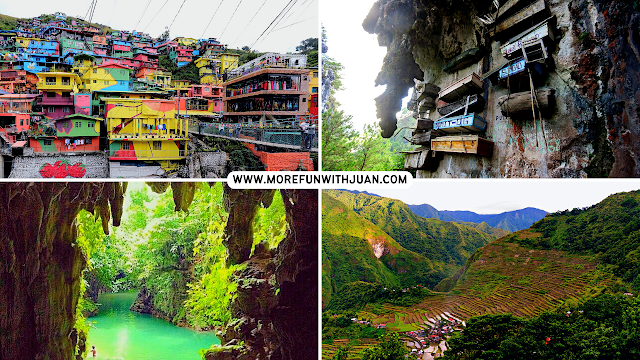
Showing posts sorted by relevance for query Bicol Region. Sort by date Show all posts

This travel guide provides insights into what makes Bicol Region unique, transportation options, top tourist spots, must-try local foods, and recommended accommodations.


Why Visit Bicol?

Bicol Region is known for its breathtaking landscapes, spicy cuisine, and the majestic Mayon Volcano. It boasts pristine beaches, rich biodiversity, and a vibrant culture deeply rooted in Bicolano traditions.


Where is Bicol Located?

Bicol is located in southeastern part of Luzon, the largest island in the Philippines. The region is composed of six provinces: Albay, Camarines Norte, Camarines Sur, Catanduanes, Masbate, and Sorsogon.


How Far is Bicol from Manila?

Distance: Approximately 500 kilometers.
Travel Time: By land, the journey can take around 10-12 hours, depending on traffic and chosen transportation.


Loading...

What to Bring for Bicol

Here are some things you might consider bringing with you for your day tour / adventure:

Shopee is my go-to app for things I needed like the ones above. If you'd like discounts and vouchers, you may get the best offers here:

Major Cities in Bicol Region

Here are the well-known and most-visited cities in Bicol:

Naga City

Naga City: A bustling urban center with historical and religious sites.

Legazpi City: Home to the iconic Mayon Volcano and the scenic Legazpi Boulevard.

Sorsogon City: Known for its beautiful beaches, whale shark interactions in Donsol, and the historic Barcelona Church.


Traveling to Bicol

Here are your best transportation options to Bicol:

Bus: Numerous bus companies operate daily trips from Manila to Bicol. Consider reputable companies like PhilTranco, Bicol IsarogCagsawa Travel and Tours, or DLTB.

bicol isarog bus fare and schedule 2022 bicol isarog bus fare and schedule bicol isarog bus cubao bus terminal to bicol 2022 bus to bicol isarog bus bicol bus fare and schedule 2022 cubao bus terminal to bicol bicol isarog bicol isarog sleeper bus fare 2022 bicol isarog bus terminal cubao tickets lazy boy bus to bicol bicol isarog bus terminal cubao photos bicol isarog sleeper bus bicol bus bus with cr going to bicol isarog terminal cubao terminal to bicol bicol to manila bus schedule 2022 isarog bus line bus to bicol from cubao bus schedule to bicol isarog sleeper bus isarog bus schedule bus fare manila to bicol
Bicol Isarog

Private Vehicle: If you prefer flexibility, driving allows you to explore at your own pace. Take the South Luzon Expressway (SLEX) and follow the Pan-Philippine Highway.

Air: Legazpi City has an airport, offering direct flights from Manila. Perfect for those seeking a quicker alternative.

bicol international airport flights bicol international airport flight schedule bicol international airport update 2022 bicol international airport website bicol international airport contact number bicol international airport to manila bicol international airport to sm legazpi bicol international airport booking
Bicol International Airport

Airline Promo Fares

If you are looking for cheap flights in the Philippines, see airlines listed below or view all promo fares:


Top Tourist Spots in Bicol

Bicol boasts top tourist spots such as the perfectly cone-shaped Mayon Volcano, serene Caramoan Islands, and vibrant Legazpi Boulevard, captivating visitors with its diverse and picturesque attractions.

Mount Mayon

Mayon Volcano (Legazpi City): An active stratovolcano renowned for its perfect cone shape and scenic viewpoints like Lignon Hill.

Caramoan Islands (Camarines Sur): A group of stunning islands known for pristine beaches and Survivor reality show filming locations.

Donsol, Sorsogon: A must-visit for whale shark enthusiasts. Go on a boat tour for a chance to see these gentle giants.

Cagsawa Ruins (Daraga, Albay): Explore the remnants of a church buried by lava during Mayon Volcano's eruption in 1814.

Mount Isarog National Park (Naga City): Ideal for nature lovers, offering hiking trails, waterfalls, and diverse flora and fauna.
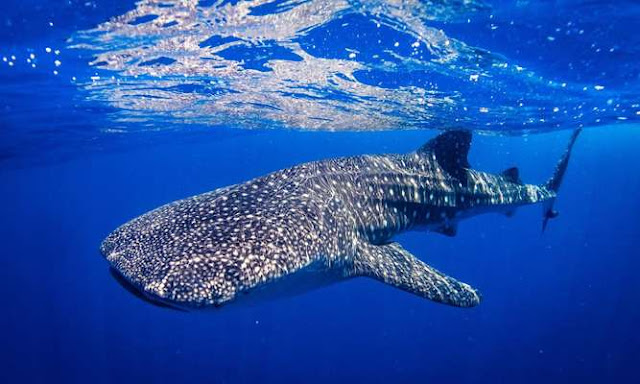
Whale shark encounter in Donsol, Sorsogon


Must-Try Bicolano Food

Bicol Express: A spicy dish made with pork, coconut milk, and fiery red chilies.

Laing: Dried taro leaves cooked in coconut milk, chili peppers, and meat. A Bicolano comfort food.

Pinangat: Taro leaves stuffed with minced pork or shrimp, cooked in coconut milk and wrapped in gabi leaves.

Bicol Express

ATTRACTIONS TO SEE IN MANILA 

Klook.com

My Recommended Hotels or Resorts in Bicol

Misibis Bay

Misibis Bay (Cagraray Island, Albay): A luxurious resort with stunning views of the Mayon Volcano.

The Oriental Hotel Legazpi (Legazpi City): Modern accommodations with a rooftop restaurant offering panoramic views.

Avenue Plaza Hotel (Naga City): A well-appointed hotel in the heart of Naga, known for its excellent service.

Tugawe Cove Resort (Caramoan Islands): A secluded resort offering beachfront villas and a tranquil atmosphere.

Siama Hotel (Sorsogon City): A boutique eco-friendly hotel with beautifully designed rooms and lush surroundings.


A journey from Manila to Bicol promises a memorable experience filled with natural wonders, cultural discoveries, and delightful gastronomy. Whether you choose to marvel at the Mayon Volcano, relax on the beaches of Caramoan, or savor the spicy flavors of Bicolano cuisine, this region offers a diverse and enriching travel experience. Safe travels!
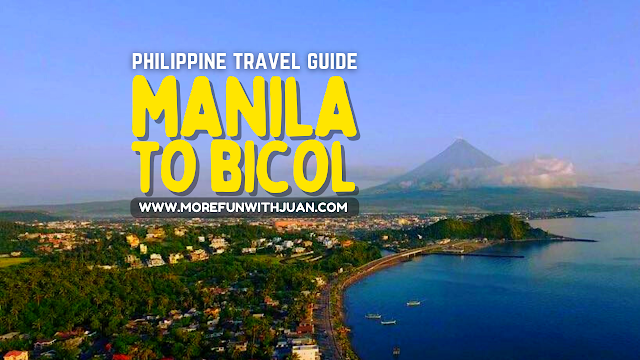
MANILA TO BICOL: Travel Guide to Bus Routes and Flights to Bicol Region

philippine map drawing philippine map with names philippine map with regions hd philippine map pdf

The Philippines, officially the Republic of the Philippines (Filipino: Republika ng Pilipinas), is a sovereign island country in Southeast Asia situated in the western Pacific Ocean.

PHILIPPINE MAP AND PROVINCES (#project81)


Nestled along the northwestern coastline of Luzon, the Ilocos Region of the Philippines stands as a testament to the country’s rich historical heritage and breathtaking natural beauty.

With its picturesque landscapes, architectural marvels, and culinary delights, Ilocos Region has become a must-visit destination for travelers seeking an authentic and immersive experience.

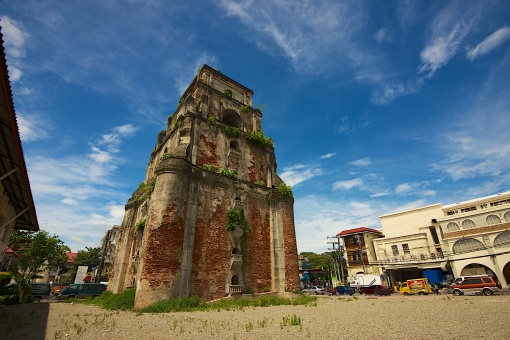
The Sinking Bell Tower in Laoag City, Ilocos Norte

Let’s embark on a journey through this enchanting region, where the past seamlessly merges with the present, creating an atmosphere of timeless harmony.


Ilocos Region in Details

Country: Philippines
Island Group: Luzon
Regional Center: San Fernando (La Union)
Largest City: San Carlos (Pangasinan)
Total Area: 13,013.60 km2 (5,024.58 sq mi)
Highest Elevation: Mount Sicapoo at 2,361 m (7,746 ft)
Population: 5,301,139 (2020 census)
Density: 410/km2 (1,100/sq mi)
Time Zone: UTC+8 (PST)
ISO: 3166 Code: PH-01
Provinces: 4
Independent Cities: 1
Component Cities: 8
Municipalities: 116
Barangays: 3,267
Congressional Districts: 12
Languages: Ilocano (Iloko), Pangasinan, Bolinao, Sambal, Kankana-ey, Itneg, Isnag, Ibaloi, English, Filipino
GDP: ₱643 billion (2021)

San Fernando City, La Union

Loading...

WHAT TO BRING FOR ILOCOS REGION

Here are some things you might consider bringing with you for your day tour / adventure:

Shopee is my go-to app for things I needed like the ones above. If you'd like discounts and vouchers, you may get the best offers here:

A Tapestry of History

Ilocos Region, often referred to as the "Historical Capital of the Philippines," is a treasure trove of historical landmarks that transport visitors to bygone eras. Vigan, a UNESCO World Heritage Site, is the crown jewel of the region. Its well-preserved Spanish colonial architecture, showcased in the iconic Calle Crisologo, exudes an old-world charm that is simply mesmerizing. As you stroll along the cobblestone streets, you can’t help but feel the whispers of centuries past.

calle crisologo history calle crisologo review calle crisologo line calle crisologo vigan calle crisologo history tagalog calle crisologo architecture saan matatagpuan ang calle crisologo what to see in calle crisologo
Calle Crisolog, Vigan City

Architectural Marvels

The region boasts architectural marvels that reflect a harmonious blend of indigenous craftsmanship and Spanish influence. Paoay Church, also known as the Saint Augustine Church, is a prime example of Baroque architecture with its massive coral stone buttresses and intricate facade. The Sinking Bell Tower, standing proudly despite its unusual inclination, adds an element of mystery to the architectural landscape of the region.

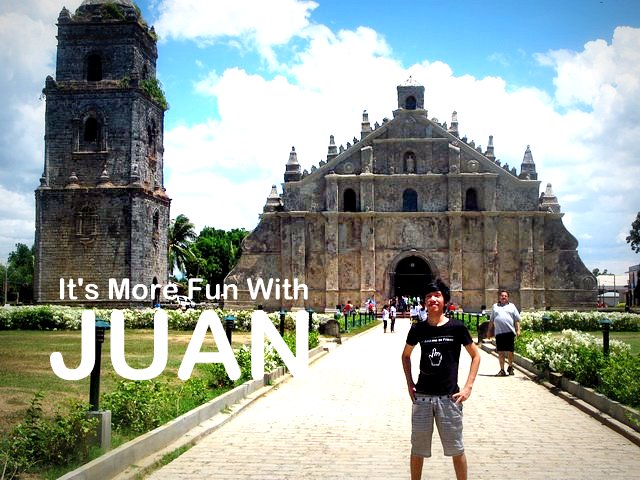
Me at Paoay Church in 2012


Natural Wonders

Beyond its historical significance, Ilocos Region is blessed with natural wonders that captivate the soul. The Bangui Windmills, a series of majestic wind turbines standing sentinel along the coast, harness the power of the wind while providing a scenic spectacle. The serene Kapurpurawan Rock Formation, sculpted by the elements over centuries, is a testament to the beauty of nature’s artistry.

My first travel with Team Basti 2013

Culinary Delights

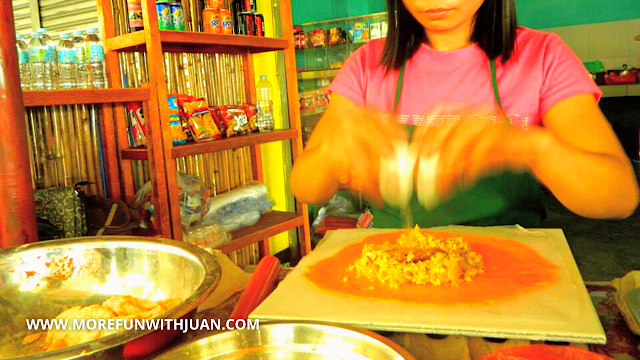
No journey through Ilocos Region is complete without savoring its delectable cuisine. Empanada, a savory pastry filled with a flavorful mixture of ground pork, vegetables, and spices, tantalizes the taste buds and is a beloved local delicacy.

main product of ilocos norte where to eat in ilocos sur best product of ilocos norte casual dining restaurant in ilocos norte famous restaurant in ilocos norte best restaurant in ilocos norte products of ilocos sur ilocos norte delicacies pasalubong
Ilocos Empanada

Bagnet, crispy deep-fried pork belly, is a gastronomic delight that showcases the region’s culinary expertise. Pair these dishes with sukang Iloco (Ilocano vinegar) for an authentic culinary experience that will leave you craving for more.


Warm Hospitality

What truly sets Ilocos Region apart is the warmth and hospitality of its people. The Ilocanos, known for their friendliness and genuine smiles, welcome visitors with open arms, making them feel like a part of the community. Engaging with locals offers travelers a chance to delve deeper into the region’s culture and traditions, creating meaningful connections that last a lifetime.

Baluarte Zoo in Vigan City, Ilocos Sur


Preserving Traditions

Ilocos Region takes pride in preserving its cultural heritage, evident in its vibrant festivals and traditions. The Tobacco Festival in Candon and the Longganisa Festival in Vigan are vibrant celebrations that showcase the region’s agricultural prowess and culinary traditions. These festivals not only provide entertainment but also offer a glimpse into the heart and soul of the Ilocano people.

main product of ilocos norte where to eat in ilocos sur best product of ilocos norte casual dining restaurant in ilocos norte famous restaurant in ilocos norte best restaurant in ilocos norte products of ilocos sur ilocos norte delicacies pasalubong
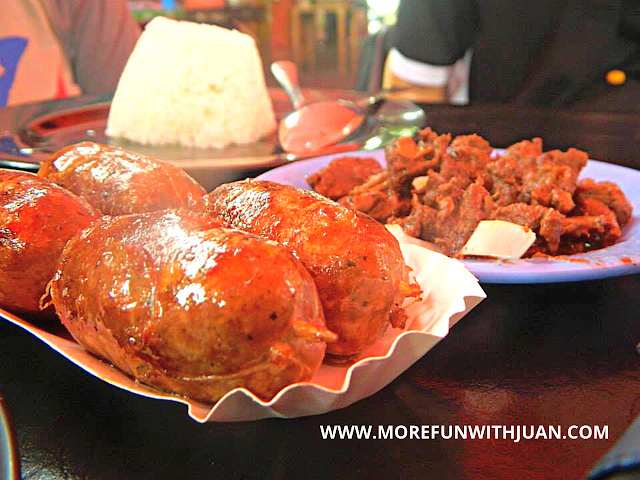
Ilocos Longganisa


Ilocos Region Geography

The Ilocos Region is divided into two contrasting geographical features. The Ilocos provinces occupy the narrow plain between the Cordillera Central mountain range and the West Philippine Sea, whereas Pangasinan occupies the northwestern portion of the vast Central Luzon plain, having Zambales Mountains as its natural western limit.

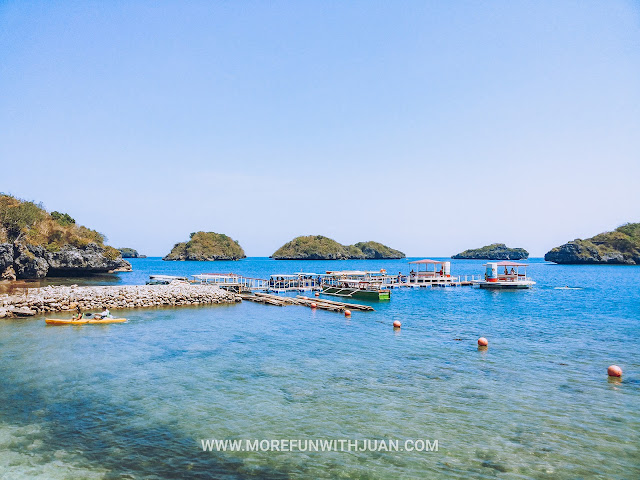
Lingayen Gulf is the most notable body of water in Pangasinan and it contains several islands, including the Hundred Islands National Park. To the north of Ilocos is Luzon Strait.

The Agno River runs through Pangasinan from Benguet, flowing into a broad delta at the vicinities of Lingayen and Dagupan before emptying into Lingayen Gulf.


Administrative Divisions

The Ilocos Region comprises 4 provinces, 1 independent component city, 8 component cities, 116 municipalities, and 3,265 barangays.

hundred islands description hundred islands overnight package hundred islands philippines hundred islands located hundred islands pangasinan hundred islands tourist spot ano ang hundred islands hundred islands tagalog
The Hundred Islands in Alaminos, Pangasinan 2015

Ilocos Region Provinces


Capital: Laoag

Capital: Vigan

Capital: San Fernando

Capital: Lingayen

San Juan Beach, La Union


Languages in Ilocos Region

Ilocano is the main language of the native majority in the region, with La Union recognized it as an official language since 2012. It became widespread in neighboring regions of Cagayan Valley (Region II), Cordillera Administrative Region and major parts of Central Luzon (Region III)—where Ilocanos settled—as a lingua franca among respective Ilocano and non-Ilocano residents. Ilocano is also recognized as a minority language in Mindoro, Palawan and Mindanao (particularly in some areas in Soccsksargen), where Ilocanos had have been significant residents since the early 20th century.

Ilocano is the third most widely spoken language in the Philippines, estimating 11 million speakers as of 2022. The language has many speakers overseas, including the American states of California and Hawaii.

plaza salcedo description plaza salcedo wikipedia plaza salcedo tagalog plaza salcedo, vigan history plaza salcedo entrance fee plaza salcedo activities calle crisologo plaza salcedo dancing fountain description
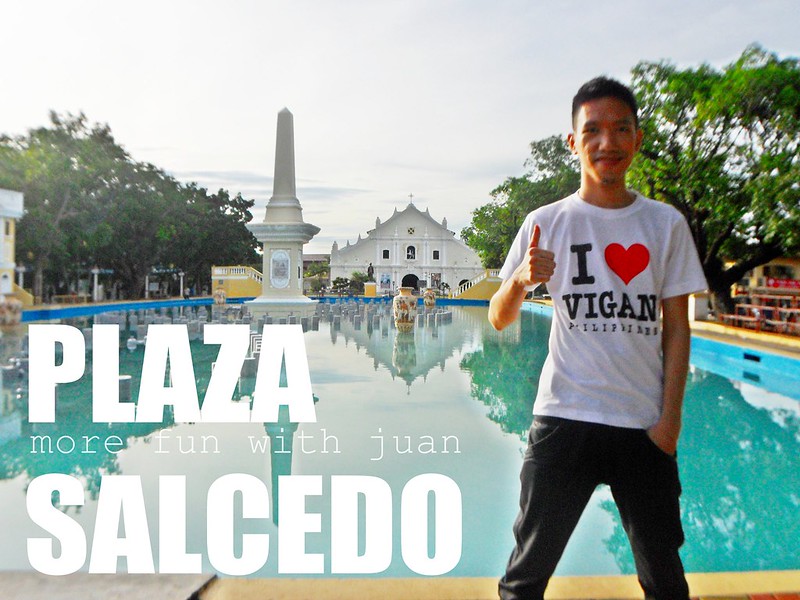
Salcedo Plaza in Vigan City, Ilocos Sur

Filipino/Tagalog and English are also spoken and understood in the region, utilized in business, education and media. Other languages spoken in the region include Pangasinan (a native language in the eponymous Pangasinan province among the ethnic group of the same name) and Cordilleran languages (near the borders of the Cordillera Administrative Region). Languages not native in the region are also spoken there such as Maranao, Maguindanaon, Tausug, Kapampangan, Cebuano and Hiligaynon to varying degrees by their respective ethnic communities within the region.


Religion in Ilocos Region

The population is predominantly Roman Catholic with strong adherents of Protestantism such as the Aglipayan denomination further north of the country where it is originated. There are also adherents to other religions, such as Iglesia ni Cristo, Mormons, and the like.

Aglipay Shrine and Mausoleum in Brgy. Aglipay, Batac, Ilocos Norte

There is also an undercurrent of traditional animistic beliefs especially in rural areas. Islam is a significant minority religion in the region especially in some urban areas adhered by minority Maranaos and other Moro communities, with some former Christian Ilocanos converted to that religion either by study abroad or contact with Moro migrants from the southern Philippines.


Culture and Arts

The region has given birth to numerous artists who have won national acclaim - among the most notable being writer and activist Isabelo de los Reyes of Vigan who helped publish the earliest currently-extant text of Biag ni Lam-Ang; Badoc-born Philippine Revolution era activist and leader Juan Luna; and Binalonan-born Carlos Bulosan, whose novel America is in the Heart has become regarded as "[t]he premier text of the Filipino-American experience."

Biag ni Lam-Ang

The region is also home to several National Artists of the Philippines, including National Artist for Theater Severino Montano who was conferred the honor in 2001, and National Artist for Dance Lucrecia Kasilag, who was conferred the honor in 1989.

Severino Montano

ATTRACTIONS TO SEE IN MANILA 

Klook.com

Notable People from Ilocos Region


  • Elpidio Quirino, sixth President of the Philippines
  • Ferdinand Marcos, tenth President of the Philippines
  • Fidel V. Ramos, twelfth President of the Philippines, from Pangasinan
  • Bongbong Marcos, seventeenth President of the Philippines
  • Mariano Marcos, Former Congressman of the 2nd district of Ilocos Norte and Commonly known as father of Ferdinand Marcos, who was President of the Philippines from 1965 to 1986, and the grandfather of current senator Imee Marcos and the current 17th Philippine president Bongbong Marcos.
  • Gregorio Aglipay, founder of the Aglipayan Church, he is from Batac, Ilocos Norte
  • Manuel Arguilla, writer, patriot, and martyr during the Japanese occupation
  • Salvador Bernal, his output included over 300 productions in art, film and music, and earned him the award of National Artist for Theater and Design in 2003, from Dagupan
  • Gloria Diaz, Philippines - first Miss Universe from Aringay, La Union
  • Victorio Edades, Father of Modern Philippine Painting. A National Artist awardee for Visual Arts (Painting) He hailed from Dagupan
  • Josefa Llanes Escoda, founder of Girl Scouts of the Philippines, from Dingras, Ilocos Norte.
  • Lucrecia Roces Kasilag – National Artist of the Philippines for Music, from San Ferndando, La Union
  • Juan Luna, famous Filipino painter of the Spoliarium from Badoc, Ilocos Norte
  • Antonio Luna, army general who fought in the Philippine–American War, He is from Badoc, Ilocos Norte.
  • Antonio Mabutas – Agoo-born first bishop of Diocese of Laoag and the second Archbishop of the Archdiocese of Davao, historically noted as the first Roman Catholic Archbishop to write a pastoral letter to criticize human rights violations under the Marcos dictatorship.
  • Bienvenido Nebres – Bacnotan-raised academic, National Scientist of the Philippines for Mathematics, former Provincial Superior of the Society of Jesus in the Philippines
  • Armando "Mandrake" Ducusin Palabay - Filipino student leader and activist from San Fernando La Union, honored at the Philippines' Bantayog ng mga Bayani as a martyr of the resistance against the Marcos dictatorship.
  • Orlando Quevedo, cardinal and third Archbishop of the Archdiocese of Cotabato. First cardinal from Mindanao. Born and spent his early childhood in Laoag, Ilocos Norte, he had been a resident in Marbel, South Cotabato until he graduated high school.
  • Artemio Ricarte, Filipino general during the Philippine Revolution and the Philippine–American War
  • Diego Silang, male revolutionary leader during the Spanish Occupation
  • Gabriela Silang, female revolutionary leader during the Spanish Occupation
  • Teofilo Yldefonso, The first Filipino and Southeast Asian to win an Olympic medal and the only male Filipino olympian to win multiple medals. He is from Piddig, Ilocos Norte.

Inside Marcos Mausoleum in Batac, Ilocos Norte

ACTIVITIES AND TOURS IN MANILA


How to Get to and Around Ilocos Region (Transportation)

Getting to the picturesque Ilocos Region in the Philippines is a journey worth taking. Here’s a comprehensive guide on how to reach this enchanting destination, whether you're traveling by air, land, or sea:


By Air

The fastest way to reach Ilocos Region is by air. Laoag International Airport (LAO) serves as the main gateway to the region. Several airlines operate flights from Manila to Laoag. The flight takes approximately 1 hour, offering a convenient and time-saving option for travelers. Upon arrival at Laoag Airport, various transportation options are available to take you to different parts of the region.

Laoag International Airport

Compare Air Fares

A quick and easy way to do this is to use flight search engines A.K.A airfare comparison sites. Get started by following the steps below:

Step 1: Visit the best flight search engines listed below (click the links to open a new tab).

Step 2: Enter your destinations and travel dates to compare airfares.

Step 3: Go back to this page and select another flight search engine.

Step 4: Repeat steps #2 & #3 until you visit all sites listed.

Step 5: Review the airfare results to find out which airline/site offers the cheapest prices. Take note of all the airlines listed. Use the “Filter” feature to see a list of airlines that fly to your destination.

TIP! You can also use any of the websites or apps to get flight schedules for your destination.


Airline Promo Fares

If you are looking for cheap flights in the Philippines, see airlines listed below or view all promo fares:


By Land


From Manila:
  • Bus: Several bus companies operate routes from Manila to Ilocos Region. The journey takes around 8-10 hours, depending on traffic and the specific destination within the region. Read my Laoag Transportation Guide to know more.

  • Private Car: If you prefer a more personalized journey, renting a car and driving from Manila to Ilocos Region is a viable option. The North Luzon Expressway (NLEX) and the Subic-Clark-Tarlac Expressway (SCTEX) connect Manila to the MacArthur Highway (Manila North Road), which leads to the Ilocos Region.

biyaheroes online booking biyaheroes 7 eleven byaheros login biyaheroes express is biyaheroes legit online bus booking philippines biyaheroes refund biyaheroes solid north
Partas Bus

Within Ilocos Region

Once you’ve arrived in the Ilocos Region, local transportation options include buses, vans, tricycles, and jeepneys, making it convenient to travel between cities and towns within the region.

ilocos norte economy ilocos norte 3rd class province ilocos norte region is ilocos norte a poor province ilocos norte is known for ilocos norte class province ilocos norte province
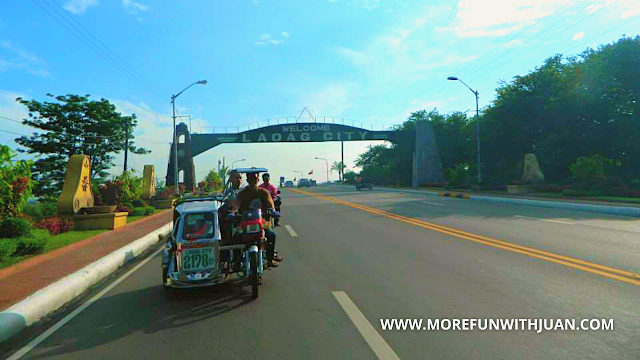
Touring around Laoag and Paoay tourist spots in the morning in 2013

Travel Tips


  • Book Tickets in Advance: Especially during peak travel seasons, it’s advisable to book your flights or bus tickets in advance to secure your travel plans.

  • Check the Weather: Ilocos Region experiences different weather patterns, so it’s essential to check the weather conditions before traveling, especially during the typhoon season.

  • Pack Accordingly: Prepare for your trip by packing suitable clothing, considering the weather and any specific activities you plan to undertake.

  • Local Advice: Don’t hesitate to ask locals for advice or directions if you’re unsure about the best way to reach your destination. The people in Ilocos Region are friendly and helpful.


Ilocos Region is a destination that invites travelers to embark on a transformative journey through time and nature. Whether you are captivated by historical landmarks, enthralled by natural wonders, or indulging in the region’s culinary delights, Ilocos Region promises an experience that lingers in the heart and memory.

As you explore this enchanting corner of the Philippines, you not only witness the beauty of the past and present coexisting but also become a part of the timeless harmony that defines Ilocos Region.


ILOCOS REGION I: Guide to Its Heritage and Wonders in Timeless Harmony


Here's a guide to Civil Service Exams Testing Centers.


If you're on the path to a career in the civil service sector in the Philippines, one crucial step is passing the Civil Service Examination (CSE). But where do you take this significant test? The Civil Service Commission (CSC) has established testing centers across the nation to make this process accessible for aspiring civil servants. Let's take a closer look at these testing centers and how applicants can navigate them.

Read my Tips Before, During, and After the Civil Service Exam

Loading...

The first step in preparing for the CSE is knowing where to take the exam. The CSC has organized testing centers by region, ensuring that applicants have convenient access to examination facilities. Whether you reside in Luzon, Visayas, Mindanao, or the National Capital Region (NCR), there's likely a testing center near you.


Region I (Ilocos Region)

San Fernando City (La Union)
Vigan City (Ilocos Sur)
Laoag City (Ilocos Norte)
Urdaneta City (Pangasinan)
Lingayen, Pangasinan


Region II (Cagayan Valley)

Tuguegarao City (Cagayan)
Cauayan City (Isabela)
Bayombong, Nueva Vizcaya
Diffun, Quirino


Region III (Central Luzon)

City of San Fernando (Pampanga)
Malolos City (Bulacan)
Guiguinto, Bulacan
Cabanatuan City (Nueva Ecija)
San Jose City (Nueva Ecija)
Balanga City (Bataan)
Baler, Aurora
Tarlac City (Tarlac)
Zambales


Region IV-A (CALABARZON)

Imus City (Cavite)
Los Baños, Laguna
Batangas City (Batangas)
Morong, Rizal


Region IV-B (MIMAROPA)

Puerto Princesa City (Palawan)


Region V (Bicol Region)

Legazpi City (Albay)
Daet, Camarines Norte
Naga City (Camarines Sur)
Pili, Camarines Sur
Sorsogon City (Sorsogon)
Masbate City (Masbate)
Virac, Catanduanes


Region VI (Western Visayas)

Iloilo City (Iloilo)
Bacolod City (Negros Occidental)
Roxas City (Capiz)
Kalibo, Aklan
San Jose, Antique
Buenavista, Guimaras


Region VII (Central Visayas)

Cebu City (Cebu)
Danao City (Cebu)
Talisay City (Cebu)
Tagbilaran City (Bohol)
Trinidad, Bohol
Larena, Siquijor


Region VIII (Eastern Visayas)

Tacloban City (Leyte)
Maasin City (Southern Leyte)
Catbalogan City (Samar)
Borongan City (Eastern Samar)
Catarman, Northern Samar
Naval, Biliran


Region IX (Zamboanga Peninsula)

Zamboanga City (Zamboanga del Sur)
Pagadian City (Zamboanga del Sur)
Dipolog City (Zamboanga del Norte)


Region X (Northern Mindanao)

Cagayan de Oro City (Misamis Oriental)
Oroquieta City (Misamis Occidental)
Iligan City (Lanao del Norte)
Valencia City (Bukidnon)
Mambajao, Camiguin


Region XI (Davao Region)

Davao City
Digos City (Davao del Sur)
Tagum City (Davao del Norte)
Mati City (Davao Oriental)


Region XII (SOCCSKSARGEN)

Koronadal City (South Cotabato)
General Santos City (South Cotabato)
Kidapawan City (North Cotabato)
Tacurong City (Sultan Kudarat)
Alabel, Sarangani
Cotabato City (Maguindanao)


National Capital Region (NCR)

Quezon City
Makati City
Manila


Cordillera Administrative Region (CAR)

Baguio City (Benguet)
La Trinidad, Benguet
Bangued, Abra
Tabuk City, Kalinga
Bontoc, Mountain Province
Luna, Apayao
Lagawe, Ifugao


Caraga Region

Butuan City (Agusan del Norte)
Buenavista, Agusan del Norte
Cabadbaran City, Agusan del Norte
San Francisco, Agusan del Sur
Surigao City (Surigao del Norte)
Tandag City, Surigao del Sur
San Jose, Dinagat Islands


Bangsamoro Autonomous Region in Muslim Mindanao (BARMM)

Cotabato City (Maguindanao)
Iligan City (Lanao del Norte)
Jolo, Sulu


ATTRACTIONS TO SEE IN MANILA 

Klook.com

To ensure a smooth testing experience, applicants must coordinate with the CSC Regional Office or CSC Field Office in their desired location. They can check available exam slots and obtain pertinent information through the CSC website or by contacting the respective offices.


Conclusion

The Civil Service Examination is a pivotal step for those aspiring to join the civil service sector in the Philippines. With testing centers strategically located across the nation, the CSC aims to provide convenient access to examination facilities for all applicants. By understanding the distribution of testing centers and navigating the coordination process, aspiring civil servants can take a step closer to realizing their career goals.


Philippines Civil Service Exams Testing Centers Nationwide

Image of Cordillera Administrative Region map Cordillera Administrative Region map Feedback cordillera administrative region provinces how many provinces are in the cordillera administrative region cordillera administrative region number cordillera administrative region colleges and universities cordillera administrative region destinations cordillera administrative region festival cordillera philippines

In this guide, you will learn about Philippine's Cordillera Administrative Region.


The Cordillera or CAR is a massive mountain range situated in the northern central part of the island of Luzon, in the Philippines and the only landlocked region in the country. It is bordered by the Ilocos Region to west and southwest, and Cagayan Valley to the north, east, and southeast.

The region was officially created on July 15, 1987, and covers most of the Cordillera Mountain Range of Luzon and is home to numerous ethnic peoples. The Nueva Vizcaya province has a majority of Igorot population, but was placed by the American colonial government in the Cagayan Valley Region instead during the early 20th century.


PROVINCES UNDER CORDILLERA ADMINISTRATIVE REGION

is cordillera in luzon provinces in cordillera administrative region cordillera provinces cordillera administrative region provinces cordillera central (luzon) cordillera mountain range provinces of cordillera car region provinces provinces of cordillera administrative region what are the provinces of cordillera administrative region cordillera region provinces bundok ng cordillera how many provinces are in the cordillera administrative region provinces in cordillera 6 provinces in cordillera cordillera province history of cordillera administrative region how many provinces does cordillera administrative region have? how many provinces in cordillera administrative region landlocked province in the philippines
The region comprises six provinces with its regional center, the highly urbanized city of Baguio:

Loading...

FACTS ABOUT CORDILLERA REGION

Area: 19,422.03 km² (7,498.88 mi²)
Population: 1,431,400
Density: 88/km2
Regional Center: Baguio
Languages: Ilocano; Bontoc; Filipino; English
Cities: (2) Baguio City, Tabuk City
Barangays: 1,177
Major Industries:
  • Crops (Palay, Corn, Banana, Mango, Tomato, Tobacco, Coconut)
  • Minerals (Gold, Silver, Copper)
  • Mining
  • Textiles and Garments
  • Handicrafts and Furniture


WHAT TO BRING FOR CORDILLERA REGION

Here are some things you might consider bringing with you for your day tour / adventure:

Shopee is my go-to app for things I needed like the ones above. If you'd like discounts and vouchers, you may get the best offers here:

Cordillera Region Geography

The region is the only landlocked region in the Philippines, bounded on the northeast and east by the Cagayan Valley, and on the southwest and west by the Ilocos Region.

The region is primarily mountainous, positioned in the Cordillera Central mountain range, which includes Mount Pulag, the highest mountain in Luzon.

Within the region are several streams and rivers including the Chico River, which is a tributary of the Cagayan River. Other major rivers include:
  • Abra
  • Abulog
  • Agno
  • Ahin
  • Amburayan
  • Apayao
  • Bued
  • Siffu


Administrative Divisions

Cordillera Administrative Region is politically subdivided into 6 provinces. It has 2 cities; the highly urbanized city of Baguio, and the component city of Tabuk.

A view of Baguio as seen in November 2012

There are 1,176 barangays in the region. Geographically, the western half of Nueva Vizcaya is part of the main Cordilleras, while its eastern half is part of the Caraballos, the meeting point of the Cordilleras and the Sierra Madre. There have been moves to reunify Nueva Vizcaya with the Cordilleras, however, no such legislation has yet been introduced in Congress.


Best Time to Visit

For the best combination of agreeable temperatures of around 27° C (80° F) and as little rain as possible, the best time to visit this region is between February and March. The first months of dry season can still be rainy, while the last months are usually pretty hot and humid.


Languages

The region has been called "the most diversified ethno-linguistic region in the Philippines" with the many "sub-dialect variations" of its major languages. This diversity has been attributed to the mountainous topology of the region. However, this did not lead to variations in "cultural development", and the majority of the people share a "similar cultural identity".
  • Balangao, spoken in Natonin, Mountain Province.
  • Bontoc, spoken in Bontoc, Mountain Province.
  • Ibaloi, spoken in Benguet.
  • Ifugao, spoken in Ifugao.
  • Ilocano, spoken in Apayao, Abra, Kalinga, Mountain Province, Benguet, and Ifugao. It is the regional lingua franca.
  • Isnag, spoken in Apayao.
  • Itneg, spoken in Abra.
  • Kalinga, spoken in Kalinga.
  • Kalanguya, spoken in some parts of Benguet.
  • Kankanaey, spoken in western Mountain Province and some parts of Benguet.


Ethnic Groups

Cordillera is home to many ethnic tribes living on the Cordillera mountain range. They are commonly referred to as the Igorot.

Ethnic people of Abra
The Tingguians are composed of sub-groups known as the Itneg tribes which includes Adasen, Balatok, Banaw, Belwang, Binungan, Gubang, Inlaud, Mabaka, Maeng, Masadiit, and Muyadan or Ammutan.: Their places in Abra are as follows:
  • Adasen — Lagayan, Lagangilang, San Juan and Tineg
  • Banaw — Daguioman, Malibcong, also found in Balbalan, Kalinga
  • Binungan — Baay-Licuan and Lacub
  • Balatok — in the villages of Amti, Kilong-olaw, & Danak, all in Boliney
  • Belwang — in the village of Dao-angan in Boliney
  • Gubang — Malibcong
  • Inlaud — Lagangilang and Peñarrubia, in Lumaba village of Villaviciosa, in the villages of Abang and Patoc in Bucay, in Langiden, San Isidro, San Quintin, Danglas (also found in some parts of Nueva Era)
  • Mabaka — Lacub and Malibcong
  • Maeng — Luba, Tubo and Villaviciosa, (also found in San Emilio, Ilocos Sur, Banayoyo and other towns in Ilocos Sur)
  • Masadiit — Sallapadan, Bucloc and in the village of Sapdaan in Manabo, and in barangays Poblacion, Bawiyan, and Dumagas in Boliney
  • Ammutan a.k.a. Muyadan tribe — in Manabo


Ethnic people of Apayao
Isnag tribe — also known as Isneg comprising the sub-groups known as the Ymandaya and Imallod (Isnag refers to the people, while Isneg refers to the dialect). Isnags are found not only in Apayao but also in the eastern section of Ilocos Norte and northwestern portion of Cagayan. Their places of abode in Apayao are as follows:
  • Ymandaya (Isnag) — Calanasan (Bayag)
  • Imallod (Isnag) — Kabugao, Conner, Pudtol, and some parts of Luna (Macatel)
  • Malaweg — Conner

Ibaloi people

Ethnic people of Benguet
  • Ibaloi
  • Kankanaey
  • Kalanguya
  • Karao Tribe


Ethnic People of Ifugao
  • Tuwali
  • Ayangan
  • Kalanguya
  • Ifannawer - Banaue

An Ifugao man from Banaue


Ethnic people of Kalinga
  • Tubog
  • Banao
  • Tanudan
  • Tanudan
  • Tongrayan
  • Ifutfut: Fugnay, Ngifat, Lacnog, Tabuk
  • Iterkaw: Nambaran, Tabuk
  • Ifasao: Isla, Appas Tabuk
  • Ichananaw: Lacnog, Tabuk
  • Itongrayan: Luprupa, Ifunug, Amfato, Damsite, Tabuk
  • Isumacher: Sumacher, Filong, Man-ufer, Mallango, Fangad, Madopdop, Lacnog, Ipil, Bayabat, Tannubong, Bulo. Tabuk
  • Ylubuagen: Lubuagan
  • Ipinukpuk
  • Kankana-ey
  • Bagbag-o
  • Ifontok
  • Ilocano

Ethnic people of Mountain Province
  • Bontoc — Bontoc
  • Balangao — Natonin
  • Baliwon — Paracelis
  • Applai: Bauko, Besao, Sabangan and Sagada

Cheapest Flights and Airline Tickets Online Booking

TOURIST SPOTS TO SEE IN CORDILLERA

Here are the top tourist destinations to visit in CAR:


Kaparkan Falls (Tineg, Abra)

There are numerous waterfalls scattered all over the country, but there’s none quite like the Kaparkan Falls in Tineg, Abra.

Kaparkan Falls

From the photo below, you can see what makes it unique. Enjoy the cold waters from the mountain after a few minutes hike to the falls.

Things to do: bathe and hike
Where to stay: Abra Valley Grand Hotel


Lusuac Spring Resort (Apayao)

Abra has its fair share of hidden gems, their famous Lusuac Spring in Barangay Poblacion, Lagayan, a refreshing spring a waiting for us to swim.

Lusuac Spring Resort

A perfect place to cool-off from the summer heat, it's clear water are indeed inviting for a dip.

Things to do: swimming and picnic


Burnham Park (Baguio City)

Considered as the city's "mother of all parks," Burnham Park is one of Baguio's best attractions.

Burnham Park boating lagoon

 It was named after urban planner Daniel Burnham, the American architect who came up with the original design and layout of the park.

Things to do: boating, picnic, visit different attractions and buy souvenirs

StoBoSa (La Trinidad)

Also known as the Valley of Colors, it comprises of around 200 houses over an area of 18,000 square meters. 

Valley of Colors

If the sheer expanse of it is not enough to wow you, the vibrant hues of this massive art piece will.

Things to do: taking photos


La Trinidad Strawberry Farm

La Trinidad, the capital of Benguet, is about 30 minutes from the Baguio town proper. This municipality is where you'll find hectares of land dedicated to growing strawberries to supply the rest of the country.

The crowd at La Trinidad Strawberry Farm

It is one of the most frequented Benguet tourist spots.

Things to do: strawberry picking, buy fresh goods


Banaue Rice Terraces (Ifugao)

The most famous tourist spot in Ifugao, Banaue Rice Terraces are occasionally called the "Eighth Wonder of the World". 

Banaue Rice Terraces

It is commonly thought that the terraces were built with minimal equipment, largely by hand.

Things to do: hiking and appreciate nature


Apo Whang-Od (Buscalan, Kalinga)

If there is one person who could best represent the rich culture of Kalinga, a province located in the far north of the Philippines, it is none other than Whang Od, the oldest Filipino tribal tattoo artist. 

Apo Whang-Od 

Whang Od is said to be the last mambabatok.

Things to do: get a tattoo


Hanging Coffins (Sagada)

Instead of being placed into the ground, the coffins are hung either inside the caves or on the face of the cliffs, near the hanging coffins of their ancestors. 


The Sagada people have been practicing such burials for over 2,000 years, and some of the coffins are well over a century old. Eventually the coffins deteriorate and fall from their precarious positions.

Things to do: take photos


Other tourist spots to visit in the Cordilleras:


ATTRACTIONS TO SEE IN MANILA 

Klook.com

FOOD TO TRY IN CORDILLERA

Here are the culinary specialties and delicacies you should try in Cordillera:
  • Abra Miki Noodles (Abra)
  • Binungor (Apayao)
  • Etag (Benguet & Mountain Province)
  • Homemade yogurt (Mountain Province)
  • Ifugao coffee (Ifugao)
  • Kalinga Coffee (Kalinga)
  • Mountain rice (Kalinga)
  • Pinikpikan (Benguet)
  • Pinikpikan (Ifugao & Mountain Province)
  • Pinuneg (Benguet)
  • Pizza topped with Apayao delicacies (Apayao)
  • Sagada oranges (Mountain Province)
  • Strawberry taho (Benguet)


WHERE TO STAY IN CORDILLERA

Here are the lists of accommodation options in the region:

The Manor in Baguio

List of Regions in the Philippines

  • National Capital Region (NCR)
  • Ilocos Region (Region I)
  • Cagayan Valley (Region II)
  • Central Luzon (Region III)
  • Calabarzon (Region IV-A)
  • Mimaropa (Region IV-B)
  • Bicol Region (Region V)
  • Western Visayas (Region VI)
  • Central Visayas (Region VII)
  • Eastern Visayas (Region VIII)
  • Zamboanga Peninsula (Region IX)
  • Northern Mindanao (Region X)
  • Davao Region (Region XI)
  • Soccsksargen (Region XII)
  • Caraga (Region XIII)
  • Bangsamoro Autonomous Region in Muslim Mindanao (BARMM)
  • Cordillera Administrative Region (CAR)


ACTIVITIES AND TOURS IN MANILA


TRANSPORTATION TO AND FROM CORDILLERA

The best way to get to CAR depends on where you’re traveling from and your budget.

The fastest and most convenient method of travel a far distance in the Philippines is most often by plane, however in some cases, traveling by sea or land may be a better option and more cost-effective.

In CAR, only Baguio City has an airport that serves commercial flights in the county. Bus is the most commonly used transportation going to and coming from the region. Here's a list of bus transits for the region:
 
Victory Liner
 Image of Cordillera Administrative Region map Cordillera Administrative Region map Feedback cordillera administrative region provinces how many provinces are in the cordillera administrative region cordillera administrative region number cordillera administrative region colleges and universities cordillera administrative region destinations cordillera administrative region festival cordillera philippines

THE CORDILLERAS: All You Need to Know About Cordillera Administrative Region (CAR)