Showing posts sorted by relevance for query MRT3. Sort by date Show all posts
mrt 3 stations mrt3 live cctv mrt3 website mrt-3 stations in order mrt3 fare matrix 2021 mrt3 news today mrt3 address trace.dotrmrt3.gov.ph sign up
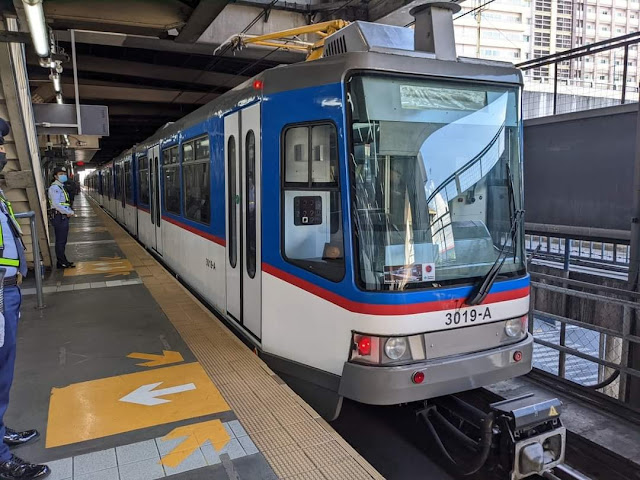
The Metro Rail Transit Line 3 (MRT-3) is ready to serve up to 400,000 passengers per day, more than double its current average ridership.

In a Zoom briefing on Friday, MRT-3 Officer-in-Charge, General Manager Michael Capati, said the MRT-3 currently accommodates 248,000 to 260,000 passengers a day, with an average fare collection of PHP2.7 million.

With the MRT-3 set to offer free rides to all passengers from March 28 to April 30, he said the average number of passengers per day may increase to 300,000 to 400,000 per day, depending on the Covid-19 pandemic situation.

Loading...
“Ready naman po ang ating pasilidad, ang ating capacity, kaya po nagte-test na po tayo ng four-car trains. Dahil ang four-car trains po natin can accommodate a maximum of 1,576 passengers (Our facilities, capacity, are ready, and that’s why we’re testing four-car trains because these can accommodate a maximum of 1,576 passengers),” Capati said.

The current three-car train setup of the MRT-3 can accommodate around 1,100 passengers per train.

To ensure that the MRT-3 can accommodate as many passengers as possible during the first day of the free ride program, he said two four-car trains will be dispatched from MRT-3’s during the peak hours of 7 a.m. to 9 a.m. and 5 p.m. to 7 p.m.

There will also be 18 three-car trains that will traverse the route between North Avenue, Quezon City and Taft Avenue in Pasay City.

Capati said the four-car train setup is the future of MRT-3, with plans to combine the old Czech CKD train cars with the newer Chinese Dalian train cars for four-car operations.

“From three-car train sets, magiging (it will be) four-car train sets. So, slowly, ina-achieve natin ‘yan (From three-car train sets to four-car train sets. Slowly, we will achieve that),” Capati said.

To date, he said 48 out of 72 CKD train cars have been overhauled, with the rest expected to be completed within the year, while nine Dalian trains are “provisionally accepted”.

The remaining 39 are to undergo further testing.

Cheapest Flights and Airline Tickets Online Booking

'Free ride' program

With the MRT-3 expected to lose an average of PHP2.7 million in revenue per day of operation during the month-long free ride program, Capati said its operational expenses will be covered through its PHP7 billion budget under the General Appropriations Act of 2022.

“Ang mga rider ng MRT-3 ay currently subsidized na po at dahil meron tayong tinatawag na libreng sakay, fully subsidized na po ang buong gastos ng isang pasahero sa kanyang biyahe sa (MRT-3 riders are currently already subsidized, and because we have the free ride program, the passenger fares will be fully subsidized for all passengers of the) MRT-3,” Capati said.

Klook.com
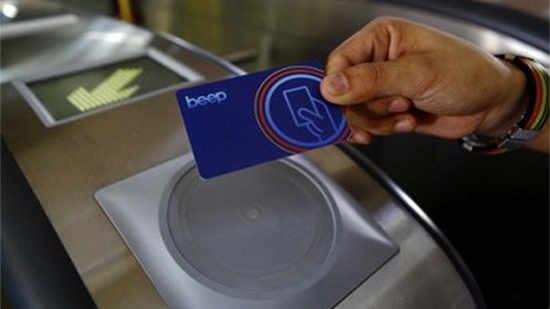
To avail of free rides, passengers must have a stored-value Beep card or a single-trip card.

The MRT-3 will be available for free rides at all hours, except on April 12 to 17 when it goes on its annual Holy Week maintenance shutdown. 

Via PNA

 mrt 3 stations mrt3 live cctv mrt3 website mrt-3 stations in order mrt3 fare matrix 2021 mrt3 news today mrt3 address trace.dotrmrt3.gov.ph sign up
Duterte announces free MRT3 rides from March 28 to April 30


The Light Rail Transit Line 1, commonly referred to as LRT Line 1 or LRT-1, is a rapid transit system line in Metro Manila, Philippines, operated by Light Rail Manila Corporation (LRMC) and owned by the Light Rail Transit Authority (LRTA) as part of the Manila Light Rail Transit System. Currently, the line consists of 20 stations and runs on 19.65 kilometers (12.21 mi) of fully elevated route.

It travels in a general north–south direction from Baclaran to Monumento, and then east–west from Monumento to Roosevelt (Fernando Poe Jr.). The line links the cities of Quezon City, Caloocan, Manila, Pasay, and ParaƱaque. Passengers may transfer to the LRT Line 2 at Doroteo Jose and to the MRT Line 3 at EDSA.

An LRT-1 train approaching EDSA via Taft Avenue Station

A 1977 study conducted by Freeman Fox and Associates suggested a street-level railway in Manila but the government revised this recommendation to an elevated system. On July 12, 1980, President Ferdinand Marcos created the LRTA and construction of the line began the following year. With the opening of its first segment on December 1, 1984, it became the first rapid transit service in Southeast Asia.

Loading...

Originally referred to as Metrorail and the Yellow Line, LRT Line 1 was reclassified to be the Green Line in 2012. Future plans include an eight-station southbound extension into the province of Cavite by 2027 (with partial operations in 2024) and an eventual extension to the North Triangle Common Station which will provide additional connections to MRT Line 3, MRT Line 7 and the Metro Manila Subway.


Travel Essentials

Here are some things you might consider bringing with you for your day tour / adventure:

Shopee is my go-to app for things I needed like the ones above. If you'd like discounts and vouchers, you may get the best offers here:

ROUTES

The line is predominantly aligned to the path of Taft Avenue (Radial Road 2) which was chosen largely due to its straight course. Later on, as Taft Avenue ends, it shifts to Rizal Avenue and Rizal Avenue Extension (Radial Road 9) then turning right on EDSA before ending at the corner of North and West Avenues and EDSA.

LRT-1 Route

STATIONS

The line serves 20 stations along its route. A twenty-first station is yet to be constructed. Eight stations which are part of the LRT Line 1 South extension are also set to be constructed south of Baclaran. A previously proposed station, Malvar station in Caloocan was proposed during the construction of the northern extension located between Monumento and Balintawak stations, becoming a bargaining object during the entire extension line's construction in the jurisdiction of Caloocan. However, the planned Malvar Station was completely shelved by the Aquino administration.

LRT1 Station

In September 2020, Roosevelt station was temporarily closed to give way for the construction of the North Triangle Common Station. During this closure, the tracks extending eastward from Roosevelt station would have to be realigned in order to provide the necessary connection to the Common Station.


Current Stations

  • North Triangle Common Station - Quezon City
  • Roosevelt (Existing terminus) - Quezon City
  • Balintawak - Quezon City
  • Monumento - Caloocan
  • 5th Avenue - Caloocan
  • R. Papa - Manila
  • Abad Santos - Manila
  • Blumentritt - Manila
  • Tayuman - Manila
  • Bambang - Manila
  • Doroteo Jose - Manila
  • Carriedo - Manila
  • Central Terminal - Manila
  • United Nations - Manila
  • Pedro Gil - Manila
  • Quirino - Manila
  • Vito Cruz - Manila
  • Gil Puyat - Pasay
  • Libertad - Pasay
  • EDSA via Taft Avenue - Pasay
  • Baclaran (Existing terminus) - Pasay


Future Stations

  • Redemptorist - ParaƱaque
  • Manila International Airport - ParaƱaque
  • Asia World - ParaƱaque
  • Ninoy Aquino - ParaƱaque
  • Dr. Santos - ParaƱaque
  • Las PiƱas
  • Zapote - Bacoor
  • Niog - Bacoor


HISTORY OF LRT-1

An old photo of LRT-1 in the 90s

In 1977, the results of a fourteen-month study conducted by Freeman Fox and Associates and funded by the World Bank recommended the construction of a street-level light rail line in Manila. Following a review by the Ministry of Transportation and Communications, later the Department of Transportation (DOTr), the proposal was revised to an elevated railway in order to avoid building over the city's many intersections. This raised the project's cost from ₱1.5 billion to ₱2 billion.

An alignment along Rizal and Taft avenues, which spanned from Monumento, Caloocan in the north to Baclaran, Pasay in the south, was selected because it followed a relatively straight path for most of its route.

Cheapest Flights and Airline Tickets Online Booking

On July 12, 1980, President Ferdinand Marcos created the Light Rail Transit Authority (LRTA) and assigned First Lady and Governor of Metro Manila Imelda Marcos as its chairman. While the LRTA confined its roles to policy making, fare regulation, and future planning, the line's operations were assigned to Metro, Inc., a sister company of Meralco. The line came to be referred to as Metrorail.

The Belgian Government granted a ₱300 million soft and interest-free loan for the project's construction, with a repayment period of 30 years. Additional funding was later sourced from a ₱700 million loan, provided by a Belgian consortium consisting of ACEC, La Brugeoise et Nivelles, Tractionnel Engineering International, and Transurb Consult.

The consortium also supplied the line's first light rail vehicles, power control, signalling, and telecommunications, as well as provided training and technical assistance. Designed as a public utility rather than a profit center, the line was expected to incur a deficit through 1993, but complete its repayments within a period of 20 years.


Construction and opening

The government-owned Construction Development Corporation of the Philippines was the project's sole contractor. In 1981, an economic recession and the government's inability to provide counterpart funds for civil works and right-of-way acquisition, which amounted to 60 percent of the project's total cost, led to a delay in construction. Work finally began in September of that year along Taft Avenue, between Epifanio de los Santos Avenue (EDSA) and Libertad Street.

Construction of first LRT-1

In order to make way for Carriedo station and a segment of tracks approaching the Pasig River, a department store and a classroom building owned by FEATI University were demolished. The southern section, between the Baclaran to United Nations stations, was inaugurated on September 11, 1984, and commercial operation along this section commenced on December 1. 

The line was extended from Central Terminal to Monumento on May 12, 1985, and subsequently became fully operational on May 13, 1985. During the first several years, two-car trains that could accommodate up to 748 passengers were utilized. This amounted to a capacity of 20,000 passengers per direction.


North extension

North Triangle Common Station

The line's North Extension is a 5.4-kilometer (3.4 mi) extension of LRT-1 to the North Triangle Common Station which also involves the construction of two stations: Balintawak station and Roosevelt station, as part of the MRT-LRT Closing the Loop project under the Arroyo administration. Construction of the North Extension began in 2007 and was finished in 2010. The construction was intended to integrate the LRT Line 1 and MRT Line 3 operations, but it never happened although there were test runs in 2010 and 2012. Balintawak station opened on March 22, 2010, while Roosevelt station opened seven months later, on October 22.

During the construction of the North Extension, Malvar station was proposed but was shelved years later.

In 2018, the project was reconfigured and now includes an extension to the under-construction North Triangle Common Station.


South extension

An extension of LRT Line 1 to the south, known as the South Extension Project or the Cavite Extension Project, is under construction and will serve the areas of ParaƱaque to Cavite. The extension will span from the Quirino Avenue, Harrison Avenue, and Taft Avenue Extension intersection, then would travel down from Redemptorist Road to Coastal Road, and will traverse through the ParaƱaque River and will enter Ninoy Aquino Avenue until reaching and traversing the C5 Extension Road; and will once again enter Coastal Road, crossing the Las PiƱas-Bacoor Boundary Bridge along the Zapote River, and traverse through the Alabang–Zapote Road and Aguinaldo Highway intersection, until reaching the Niog station located along the Molino Boulevard at Bacoor, Cavite.


The extension project would add 8 stations covering 11.7 kilometers (7.3 mi) of new elevated railway sections and would be the third rail line extending outside the Metro Manila area (after the east extension of Line 2 and the construction of Line 7). The project is divided in two phases - Phase 1 covers five stations from Redemptorist to Dr. Santos, while Phase 2 covers the remaining three stations from Las PiƱas to Niog.

Plans were also laid out to include 2 additional stations for the extension project:
  • Manuyo Uno station - Las PiƱas
  • Talaba station - Bacoor

The project was first approved by the National Economic and Development Authority on August 25, 2000, while the Implementing Agreement for the project was approved on January 22, 2002. An unsolicited bid to conduct this work from Canada's SNC-Lavalin was rejected by the Philippine government in 2005.

In 2006, the government worked with advisers (International Finance Corporation, White & Case, Halcrow and others) to conduct an open-market invitation to tender for the extension and for a 30-year concession to run the extended line. However, Former President Gloria Macapagal Arroyo subsequently withdrew the project.


Automated Fare Collection System (AFCS)

An Automated Fare Collection System (AFCS) using plastic magnetic tickets as fare medium is being utilized in both the LRT Line 1 and LRT Line 2 Systems. The old magnetic ticket fare collection system of LRT Lines 1 & 2 was totally replaced with the new contactless smartcard based AFCS starting 16 December 2015, through the Department of Transportations’ PPP for the Automatic Fare Collection System Project for LRT Lines 1 & 2 and MRT3.

The Common Ticketing Project for LRTA Lines 1 & 2 and MRT3 under Public-Private Partnership (PPP) program is a joint venture between the government and private organization led by Ayala and Metro Pacific. This new AFCS project replaced of the old-magnetic-based ticketing system installed in early 2000 and replacing the old system with contactless-based smart card technology on LRTA Lines 1 & 2 and MRT3.


LRT-1 Fare Matrix

lrt 1 fare matrix 2020 beep card lrt 2 fare 2021 lrt 1 fare matrix 2021 philippines lrt-1 stations list in order 2021 lrt-1 stations lrt 2 fare matrix 2020 single journey lrt 1 stations fare 2020 lrt-2 stations
Single Journey Fares

Stored Value Fares

OTHER ATTRACTIONS TO SEE IN MANILA 

Klook.com  

IMPORTANT NOTE: The rates, contact details and other information indicated in this post are accurate from the time of writing but may change without IMFWJ's notice. Should you know the updated information, please let us know by leaving a message in the comment box below.

lrt-1 stations lrt-1 operation today lrt-1 operating hours today 2021 lrt-1 schedule lrt-1 stations list in order 2020 lrt-1 stations schedule 2020 lrt 1 route map lrt-1 schedule 2021  lrt 1 fare matrix 2020 beep card lrt 2 fare 2021 lrt 1 fare matrix 2021 philippines lrt-1 stations list in order 2021 lrt-1 stations lrt 2 fare matrix 2020 single journey lrt 1 stations fare 2020 lrt-2 stations

OTHER ACTIVITIES AND TOUR IN MANILA

Philippine Light Rail Transit: Commuting Guide to LRT-1 (Stations, Schedule, Fare Matrix)

manila travel restrictions travel essay about manila places to visit in manila for couples manila tourism covid manila itinerary 2 days manila itinerary 3 days tour program in manila manila 1 day tour itinerary sample

Here's your interactive DIY guide on where to visit, where to stay and where to eat in Manila.

Manila serves as the center of culture, economy, education, and government in the Philippines. It is the most populous region of the country and one of the most densely populated in the world. It is also the main gateway for international travelers going to the Philippines by flight.


Blending charming Spanish colonial architecture, world-class museums and galleries and the world’s oldest Chinatown with some of the biggest and best shopping malls on Earth.

The vibrant bay side Filipino capital Manila is also a foodie paradise that was much revered by celebrity chef, author and travel documentarian Anthony Bourdain.
Loading...


WHAT TO PACK FOR MANILA

Here are some things you might consider bringing with you for your day tour / adventure:

Shopee is my go-to app for things I needed like the ones above. If you'd like discounts and vouchers, you may get the best offers here:

Manila Travel Requirements & Guidelines | COVID-19 New Normal

Domestic tourists can once again visit Manila and its outdoor attractions. But because of the pandemic, everyone must follow health and safety guidelines to ensure a hassle-free visit. Take note that some LGUs may have different requirements than others, so be sure to check with the LGU of your destination before you visit.


1. Who are allowed to go to Manila?

Domestic tourists are allowed to go out in Manila, but the LGUs may impose reasonable restrictions so double-check with your LGU of destination before you travel.

Filipinos, balikbayans, and foreigners with existing visas who are coming from other countries are also allowed to fly to Manila but must stay at quarantine hotels in Manila or facilities. For more information about inbound travel to the Philippines via Manila, read our guide on Philippine travel requirements.

NAIA

Manila hotel staycations are allowed, except for those coming from areas under Alert Level 5 and Granular Lockdown. Fully vaccinated individuals, or those who have gotten the final dose of their COVID-19 vaccine at least 2 weeks prior to their staycation, are exempted from presenting a negative COVID-19 test but must be able to present a vaccination card that shows their fully vaccinated status before they can check-in. Unvaccinated or partially vaccinated individuals need to present a negative swab or saliva-based RT-PCR test result taken within 48 hours prior to their check-in.

Cheapest Flights and Airline Tickets Online Booking

2. What are the entry points in Manila?

If you're flying to Manila, you'll need to do so via the Manila Ninoy Aquino International Airport. If you're coming from nearby provinces, you can also enter Manila via land transportation.


3. What travel requirements do you need to prepare?

A valid ID is required when entering Manila. Some establishments also only allow entry to fully vaccinated individuals, so bring your vaccination card if you are fully vaccinated. Some LGUs may have additional requirements, so check in advance before you travel.

For those who are planning a staycation in Manila, a vaccination card that proves an individual’s fully vaccinated status must be presented before check-in. Those who are unvaccinated or partially vaccinated need to show a negative swab or saliva-based RT-PCR test result taken within 48 hours prior to their staycation.


4. What are the guidelines and protocols to follow when you're in Manila?

Here are some of the guidelines and protocols you need to take note of on your visit:

Minimum Health Standards: Face Mask, Face Shield, and Social Distancing
  • Tourists must wear face masks and face shields, wash hands frequently, and observe proper social distancing, especially in public areas. 

Indoor and Outdoor Dining
  • Indoor dining is allowed but only for fully vaccinated individuals. Outdoor dining is open to anyone regardless of vaccination status.

Social Events 
  • Meetings, incentives, conferences, and exhibitions or MICE and social events are allowed. Indoor venues for these events can operate for fully vaccinated individuals only, while outdoor venues are open to anyone, regardless of vaccination status.

Indoor and Outdoor Tourist Attractions 
  • Indoor tourist spots can only entertain fully vaccinated individuals. Outdoor tourist spots can accommodate anyone regardless of vaccination status.


ABOUT MANILA

Manila is the capital of the Philippines. It is located in the northern island of Luzon close to Quezon City. Quezon City was once the capital, from 1948 to 1976, and is actually the most populous city.

Manila is the second most populated city with a population of 1,652,171. It is just under 15 square miles, making it one of the most densely populated cities in the Philippines and in the world. It is where the seat of the Philippine government is located.


IN PHOTO: The Minor Basilica of the Black Nazarene, known canonically as Parish of Saint John the Baptist, and also known as the Quiapo Church, is a prominent basilica in the district of Quiapo in the city of Manila, Philippines

Before traveling, you might want to check the live weather forecast and updates to make your trip even easier and safer for you. You can also get the latest report for land traffic in Metro Manila and major parts of the Philippines.


MANILA vs. METRO MANILA

Not known to many the capital city Manila is different to Metro Manila. Locals refer to Metro Manila simply as Manila. However, the City of Manila forms only the city proper of Metro Manila. Consisting of 16 cities and 1 municipality in 630 square kilometers, the metro is the national capital region, and the center of Philippine culture, arts, commerce, industry, and tourism.


Brief History of Manila

The earliest known records of the city date back to the tenth century. It was known as the Pearl of the Orient because of its location in the Pacific as an important trade route. The city suffered devastating destruction during World War II but has since been rebuilt.

It is now the center of education, headquarters to the World Health Organization Regional Office for the Western Pacific, and attracts more than one million tourists each year.

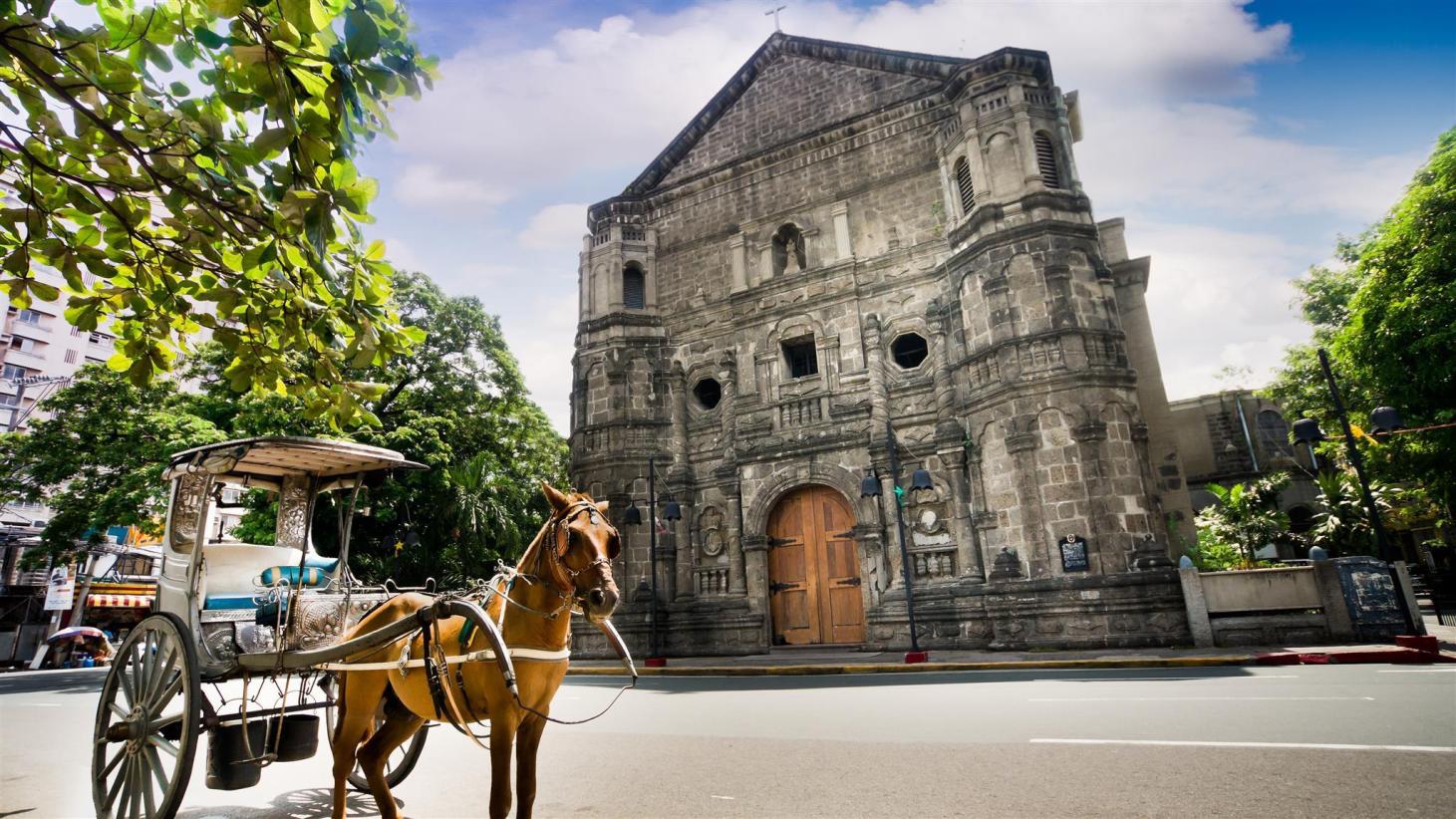
IN PHOTO: Old-world Intramuros is home to Spanish-era landmarks like Fort Santiago, with a large stone gate and a shrine to national hero JosĆ© Rizal. The ornate Manila Cathedral houses bronze carvings and stained glass windows, while the San Agustin Church museum has religious artwork and statues. Spanish colonial furniture and art fill Casa Manila museum, and horse-drawn carriages (kalesa) ply the area’s cobblestone streets.


Transportation in Manila

Manila has two international airports and a Light Rail Transit System of 11 different above ground train stations. There are also taxis, motorcycles with sidecars known as tricycles, and the most popular form of transportation known as jeepneys, which are jeep-like public utility vehicles.

They have their roots from World War II with the surplus jeeps that were sold to the Philippines who painted them in bright native colors and began using them and producing them for family and tourist transportation.

IN PHOTO: The William A. Jones Memorial Bridge is a bridge that spans the Pasig River in the Philippines connecting the Manila area of Binondo on Rosario Street, with the center of city in Ermita.

Climate in Manila

Tropical Manila is hot and humid year-round, with daytime temperatures averaging 19-39°C. The coolest months are January to February and the hottest are March to May.

The dry season lasts from late November to early March; the wet season the rest of the year features short intense spells of rainfall.


Shopping and Attractions

Shopping is popular in Manila. The city’s largest mall is Robinsons Place Manila, a seven-level shopping mall that contains over 330 shops, restaurants and entertainment facilities.

Robinsons Place Manila

Sports are also popular; basketball is the main sport. Baseball, football and billiards are also popular sports. The Rizal Memorial Sports Complex in Manila is where many sporting events are held, including track, football, baseball and tennis. Professional baseball is played at the Rizal Memorial Baseball Stadium where Babe Ruth and Lou Gehrig scored the first home runs.

Other attractions include Rizal Park located in the middle of the city. There tourists can enjoy the Museum of the Filipino People, the National Library of the Philippines, the beautiful Japanese Garden at Rizal Park, and the Rizal Monument.


IN PHOTO: Rizal Park, also known as Luneta Park or simply Luneta, is a historical urban park in the Philippines. Formerly known as Bagumbayan in the era of colonialism under the Spaniards.


Surrounding Areas

Metro Manila consists of many other surrounding cities, including Pasay, Paranaque, Mandaluyong, Makati, Taguig, Pasig, Quezon City, and more. It is within just a 1-2 hours drive from other cities such as Cavite City, Tagaytay, Batangas, and even Angeles City.


IN PHOTO: Manila Bay is a natural harbor which serves the Port of Manila, in the Philippines


Culture and Food

Manila packs a lot of culture into a small space – many of its major sites are in the walled Intramuros, including the Spanish-era Fort Santiago with its shrine-museum to JosĆ© Rizal, Manila Cathedral, UNESCO-listed San Agustin Church (the Philippines’ oldest), Casa Manila museum of Spanish colonial furniture and art, and Rizal Bagumbayan Light and Sound Museum of colonial and modern history.

Other venues in which to learn about Filipino history and culture and art are the Bahay Tsinoy museum of Chinese history, Ayala Museum of Filipino history and artifacts, National Museum of Anthropology, MalacaƱang Palace presidential museum, and National Museum of Fine Arts, while for kids there’s the Exploreum science museum, Museo Pambata children’s museum and the National Museum of Natural History.

A densely populated city melding many different cultures and influences, Manila is unsurprisingly lively all-year-round, with religious processions, live music, theatre, famous drag shows or plenty of speakeasies and videoke/karaoke bars.

Traditional and new-wave Filipino, Spanish and Chinese fare lead the eclectic dining scene in Manila, but locals are also mad about Japanese food, American diner classics and global food in general – meaning everyone will find something to please and new flavours to experience, all of it stunningly great value. Don’t miss seafood made to your taste at a dampa such as Pasay, where you buy ingredients to be cooked at an on-site restaurant.


ATTRACTIONS TO SEE IN MANILA 

Klook.com

BEST TIME TO VISIT MANILA

If you want to experience Manila including its outdoor attractions fully, take note of the months with the sunniest days. Read on to find out when are the best seasons to go to Manila, what's the climate and weather like, and what to wear: 

Holiday Season | September to December

The best months to go to Manila is during the -ber months of September, October, November, and December when the city is full of festive lights and Christmas decorations.

It is also cooler during these months, which is great if you’re planning to do a lot of walking around. However, traffic can get worse than usual during the Christmas season. It is also during this time when a lot of people flock the malls for their holiday shopping.

Dry Season | January to April 

If you have a lot of outdoor destinations included in your Manila itinerary, it's best to explore during the dry months of January to April.

While there are rainfalls throughout the year in Manila, January to April has the least chances of rain. Make sure to bring water bottles, caps, and an umbrella with you if you're planning to do a lot of walking in Manila.

Climate and Weather

During the dry season, the temperature in Manila is warm. Take note that the hottest months in Manila, are typically from April to May, with an average daily high temperature above 33°C. 

What to Wear 

When visiting Manila, expect a tropical climate. So dress in casual breathable clothes, especially during the dry months. If you're in the malls or outdoors at night, especially during the holiday season or rainy season, it's best to bring a light jacket with you to keep you warm.

If you plan to visit during these months, always bring a bottle of water to keep yourself hydrated while exploring Manila. Additionally, make sure to check for weather updates and the forecast on the days of your trip.


TOP EVENTS & FESTIVALS IN MANILA

Here are the popular events and festivals celebrated in Manila:
  • Black Nazarene Procession – 9 January and Good Friday
    The carrying of the life-sized image of a dark-skinned Jesus Christ, housed in the city’s Minor Basilica of the Black Nazarene.
  • Bamboo Organ Festival – Late February
    Global musicians paying homage to Las PiƱas’ iconic organ. 
  • Fringe Manila – February and March
    Two to three-week event showcasing local artists and performers in the city’s galleries and theatres. 
  • Aliwan Fiesta – April and May
    Dance parades and float competitions in Pasay City. 
  • Philippine Independence Day – 12 June
    Celebrations and a parade in Rizal Park to mark independence from Spain. 
  • FĆŖte de la Musique – Mid-June
    Celebration of music organized by the Alliance FranƧaise, with two main stages and 30+ themed stages hosting reggae, blues, punk and more.
  • Philippine Travel Mart – September
    Annual event showcasing Philippines destinations 
  • Christmas celebrations – From 1 September

Black Nazarene Procession

ACTIVITIES AND TOURS IN MANILA


BEST THINGS TO DO IN MANILA

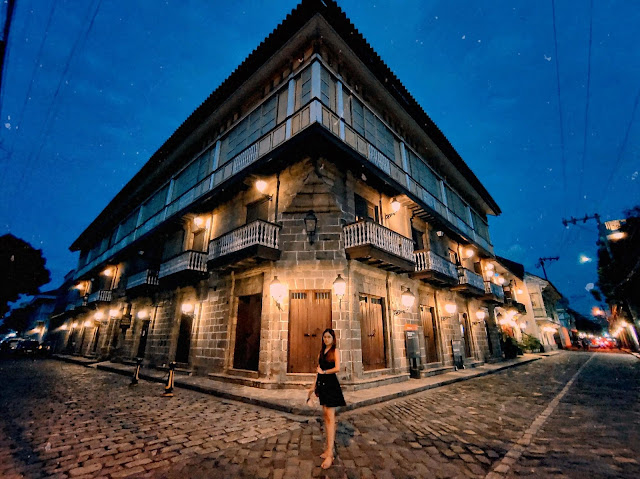
Walking around Intramuros

Here are the top things and activities, and places to visit in Manila:

  1. VISIT THE WALLED CITY OF INTRAMUROS
    Tour the Walled City of Intramuros (the colonial walled city) by horse-drawn carriage or eco-friendly bamboo bicycle.

  2. GO FOR STREET FOOD
    Sample the city’s famous street food at venues including Shipyard in Malate, discover the authentic hole-in-the-wall restaurants of Binondo Chinatown, or go on a food and pub crawl of the trendy Poblacion neighbourhood in Makati. Another foodie hotspot is the Mercato Centrale in BGC, Taguig.

  3. SUNSET VIEWING
    Manila is one of the best places to sight perfect sunset by the bay. Stroll the waterfront Baywalk for its sunset views over Manila Bay and open-air cafƩs and food stalls.

  4. DISCOVER OLD MANILA
    Take a Pasig River tour or Manila Bay cruise for a different view of Old Manila and Makati.

  5. TOUR AROUND RIZAL PARK
    Take a walk at Rizal Park (‘Luneta’) with its open-air chess, monument to national hero JosĆ© Rizal and National Museum of Natural History Philippines.

  6. MUSEUM HOPPING
    Soak up contemporary Filipino art and the Philippine Gold Exhibit at the Metropolitan Museum of Manila, and at 1335 Mabini Art Gallery located in Makati City.

  7. GO SHOPPING
    Shop ’till you drop, whether at the vast Bayfront SM Mall of Asia or the many artisan outlets.

  8. APPRECIATE ARCHITECTURE
    Explore quirky architecture ranging from the Coconut Palace (by prior booking only) to the Art Deco First United Building.

  9. GO TO EXPOS, MUSEUMS & CASINOS
    Discover Cubao Expo, an alternative village with boutiques, bars and cheap eats. Let off steam at the Upside Down Museum of Illusions, Art In Island museum and the casinos.

  10. DO DAY TRIPS
    Take a day-trip to Corregidor Island; Tagaytay Ridge, People’s Park in the Sky and Taal Volcano; or Mount Pinatubo crater lake.

Sky Ranch Tagaytay


TRY THIS: 5 Romantic Roofdecks with Amazing City-view in Metro Manila


WHERE TO STAY IN MANILA

Manila houses a ton of hotels (from the cheapest to most expensive) that gives you more options for accommodation. Manila is made up of multiple cities, and traveling from one city to another can be time-consuming, especially during rush hour. It's important to plan where your home base will be in Manila so you can easily go to the attractions included in your itinerary.

This section will run you through the common types of accommodations you'll find in Manila for your staycation in the Philippines. Whether you're on a tight budget or you're someone who prefers to spend more on luxurious accommodations, it's always better to plan before traveling.


Types of Accommodations

Depending on your budget and preference, it's essential to research Manila hotels and other types of accommodations before your visit. Here are some of the usual and unique ones found in this part of Manila.

Hotels

Whether you're staying for work or leisure, there are various hotels in Manila, ranging from budget to luxury. Luxury hotels in Manila offer amenities such as swimming pool and spa.

Vacation Rentals

If you're looking for privacy, renting a private condominium or house within Manila will work best. There are several vacation rentals throughout Manila, from Pasay City, Makati City, Mandaluyong City to Quezon City. It's better if you're in a group so you can share the expenses. 

Hostels

Perfect for solo backpackers, hostels in Manila usually offers dorm-type rooms and single rooms but with shared bathrooms. You can find several hostels in Makati. Hostel common areas are ideal for meeting new people, and some even have rooftop bars where you can chill at night.

Z Hostel Roofdeck View

Makati: The centrally located financial district but also a cultural and entertainment hub, home to Raffles and Fairmont hotels but catering to a variety of budgets. 

Ortigas: Manila’s second Central Business District, with two of the city’s biggest malls and mainly upscale hotels.

Malate and Ermita: Handy Manila Bay districts just south of Intramuros, with popular attractions, lively nightlife scenes and plenty of options for budget travelers.

Pasay: The closest area to the airport, home to SM Mall of Asia, Baywalk, a vast array of dining and nightlife and a wide choice of accommodation for all budgets.

SkyDeck at The Bayleaf Intramuros

Here are some of the hotel accommodation in Manila:

Budget Hostels


Mid-range Accommodation


High-end Hotels


TIPS: for longer stay, you may opt to choose for long-term rentals.

Other hotels near Manila


HOW TO GET TO MANILA

Manila is accessible from both international and local destinations by flights. You will be landing in one of the four terminals of Manila Airport, specifically in either Pasay City or ParaƱaque City, depending on the airline.

Kalesa ride in Manila

Note that there are four terminals or airports in Manila, which are not connected by subway systems. It can be confusing for many first-time visitors, so make sure to find out which airport you're landing in before making transfer arrangements.


Getting Around Manila

Exploring Manila by public transportation can be overwhelming, but don’t worry, we’ve got you covered in this section. First, you have to find your way to your hotel once you arrive at the airport. Then you also have to learn how to get around the city by using public transportation. Read on and take notes.  

From the Airport

The Ninoy Aquino International Airport Terminal 1 is located in ParaƱaque City, while Terminals 2, 3, and 4 are in the neighboring Pasay City. The metro or subway system does not connect these airport terminals as of the moment. The only way to get there and out is via private transport, shuttle buses, or taxicabs. 

By Bus

There is a free shuttle bus going to all terminals that runs every 15 minutes, depending on traffic. Given the heavy traffic in Manila during the day and early evening, it may not be the best idea if you are pressed for time (e.g., if you have a connecting flight with a layover less than 4 hours).

By Taxi/Cabs

All Manila airports have taxi stands. You can ride the following: 
  • Regular Taxi - White metered taxi/cabs with a fixed flag down rate and per kilometer fee.
  • Coupon Taxi- Blue-marked white taxi/cabs that are dispatched by airport personnel and charge a fixed price
  • Yellow Airport Taxi - Metered taxi with the fixed flag down rate and per kilometer fee, but almost double than the regular taxi.

Taxi scams at the airport are common. If the driver shows you a printed list of destinations and their corresponding prices, be warned that those rates are most probably overpriced.

Another red flag is when the driver doesn't use a meter and charge you ridiculous prices. To avoid the headache of getting scammed, use the official taxis (coupon taxi and yellow airport taxi).

When someone outside the arrival area offers you a ride, say no. Often, these drivers (or their middlemen) will overcharge you. They might offer to help you with your bags, keep a tight grip on your belongings and say no, or ignore them.  

By Car Booking App

Another recommended way to get out of the airport and into the city is through Grab, a ride-hailing app similar to Uber (Uber is no longer operating in the Philippines).

Grab offers GrabTaxi (accredited regular metered taxi), GrabCar (private), and GrabShare (carpooling).

Loading bay at PITX

Public Transportation

For first-time visitors, Manila can be a bit overwhelming to explore by public transportation. When exploring Manila tourist spots, you’ll need to learn about the several types of public transit that ply the roads of this bustling metropolis. 

The fastest way of getting around is the monorails. Three monorails are operating in Manila, namely, Manila Metro Rail Transit (MRT), Light Rail Transit 1 (LRT1), Light Rail Transit 2(LRT2). The other modes of transportation are the tricycle and jeepney, both unique to the Philippines.

You can also hail a taxi/cab or use car booking apps or a motorcycle booking app if you want to explore Manila. Read on for more details about your public transportation options in Manila.

Metro Rails (MRT and LRT)

The Manila Metro Rail Transit (MRT) and Light Rail Transit (LRT) run across major roads in Manila and connect Manila's north and south areas. The MRT traverses Epifanio de Los Santos Avenue (EDSA), while LRT1 and LRT2 have routes crossing Pasay, Manila, Caloocan, and Quezon City. 

mrt 3 stations mrt3 live cctv mrt3 website mrt-3 stations in order mrt3 fare matrix 2021 mrt3 news today mrt3 address trace.dotrmrt3.gov.ph sign up
MRT-3

If your hotel is somewhere in the city of Manila, Makati, Pasay, or even Quezon city, you can ride the MRT or LRT. Be warned though that the MRT and LRT are very crowded during rush hour (7 AM to 9 AM and 5 PM to 9 PM on weekdays).

However, if you travel during the off-peak hours, the MRT and LRT offer the quickest way to slice through Manila's notorious traffic jams. You can purchase single-journey tickets/cards (one way) or stored value cards (reloadable BEEP cards) in any station in MRT, LRT1, and LRT2. Reloading can be done at any station, as well.

Beep Card

MRT3

MRT3 runs along EDSA, starting in Taft Avenue to North Avenue in Quezon City. This line gives travelers access to Roxas Blvd., Makati, Mandaluyong, San Juan, and Quezon City. You can take this line if you want to explore Makati tourist spots and Quezon City attractions. 

LRT1 and LRT2

There are two LRT routes, LRT1 and LRT2. LRT1 is the first among the three light rails in the Philippines, while LRT2 is the newest. A walkway in Doroteo Jose station connects LRT1 and LRT2. 

LRT1 Station

LRT1 runs from Baclaran to Monumento. It lets you explore areas in Roxas Boulevard or Pasay area, Makati, Manila, and Caloocan. Beyond Caloocan are mainly residential areas, not frequented by travelers. LRT1 cuts through most of the city of Manila, which makes it the best transit to ride to get to popular Manila attractions such as Binondo, Intramuros, and Rizal Park. 

LRT 2 has the shortest route. It runs through Metro Manila's East to West areas. It starts in Manila and ends in Marikina City, with stops along Quezon City and San Juan City. LRT2 may be the shortest line, but it can still take you to Manila tourist spots.

Jeepneys

Jeepneys or jeeps are the most popular means of public transportation in the Philippines along major and some small roads. These are initially the U.S.- made military jeeps left over from World War II. 

Jeepneys have become an iconic symbol of Philippine culture and art. These can accommodate up to 20 passengers, depending on the size of the jeepney. Riding these open-aired vehicles in the streets of Manila offers an interesting experience for first-time visitors. 

Tricycle

Motorized tricycles, or simply tricycles, are the local form of the auto-rickshaw similar to Thailand’s tuk-tuk. These public utility vehicles ply a set route in inner roads. They are usually found in terminals where passengers lineup to wait for their turn to board one.

Tricycle in the Philippines

These can also be hired like taxis in some areas if their route allows it. Built-in a variety of styles that differ from city to city, these are usually made locally by building a sidecar affixed to a motorcycle. These can accommodate 2-4 passengers only.


SAMPLE MANILA ITINERARY

Below is a sample 3-day 2-night Manila itinerary. This assumes the following:

  • You are a group of two, sleeping in a bunk bed in a dorm room at a hostel in Makati.
  • You will be splitting transportation costs. For this itinerary, you’re using Uber for comfort and to maximize your short stay.
  • Your food allowance is P200-P250 per every lunch or dinner. P250 has a big allowance, to be honest, but better overestimate than under.
  • Airfare is not included.

Day 1: AYALA MUSEUM, MAKATI

10:00am – Arrival at NAIA
11:00am – Uber to Hostel in Makati, P125 (P250/2 pax)
11:40am – Hostel check-in
12:30pm – Uber to Ayala Museum, P60 (P120/2pax)
01:10pm – Lunch, P250
02:30pm – Ayala Museum, P425
05:30pm – Explore Greenbelt complex
08:00pm – Uber to A Venue Night Market, P150 (P300/2pax)
08:30pm – Dinner at A Venue Night Market, Budget: P250
10:30pm – Walk back to hostel

Day 2: BINONDO + INTRAMUROS TOUR

07:00am – Quick breakfast
07:30am – Uber to Binondo, P125 (P250/2pax)
08:50am – DIY Binondo Food Tour, Budget: P800
02:00pm – Walk to Fort Santiago
03:30pm – Intramuros Tour, P1300
06:30pm – End Intramuros Tour
07:00pm – Dinner in Intramuros, P250
10:30pm – Uber to hostel, P125 (P250/2pax)

Day 3, OPTION A: NATIONAL MUSEUM

07:00am – Wake up, breakfast
08:00am – Early hotel check out, leave bags
09:00am – Uber to National Museum, P125 (P250)
10:00am – National Museum, FREE
01:00pm – Lunch, P200
02:00pm – Uber to hostel, P100 (P200/2pax)
03:00pm – Pick up bags at hotel
03:30pm – Uber to airport, P100 (P200/2pax)
04:30pm – Arrival at airport
07:30pm – Flight out

Day 3, OPTION B: MALACANANG PALACE

07:00am – Quick breakfast
07:30am – Early hotel check out, leave bags
07:50am – Uber to Legarda Mansion, P125 (P250)
08:50am – San Miguel + Malacanang Tour, P1380
11:30am – End Tour
12:00nn – Lunch, P200
02:00pm – Uber to hostel, P100 (P200/2pax)
03:00pm – Pick up bags at hotel
03:30pm – Uber to airport, P100 (P200/2pax)
04:30pm – Arrival at airport
07:30pm – Flight out

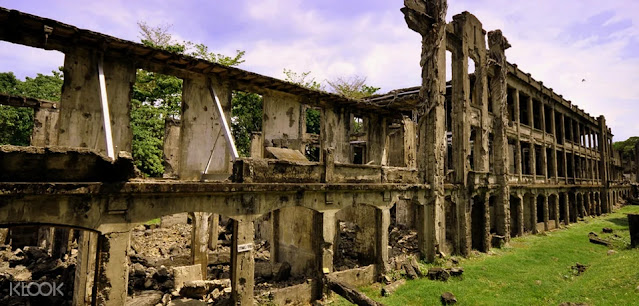
If you have more days, consider going on a day trip to a nearby province. If you’re a history buff or you want to learn more about the significance of Manila, pick a tour to the Corregidor Island. It’s technically not part of Manila, but it is the fortress island that protects it.

corregidor history corregidor island cavite how to go to corregidor corregidor meaning corregidor tour 2021 corregidor battle is corregidor part of bataan corregidor hotel
Ruins at Corregidor

Other Day Trip Destinations Near Manila

The following are other destinations you can visit on a day tour from Manila.
  • Taal Heritage Town, Batangas
  • Pililla Wind Farm and Pinto Art Museum, Rizal
  • Mt. Daraitan and Tinipak River, Rizal
  • Malabrigo Beach, Batangas
  • Masasa Beach, Batangas
  • Hulugan Falls, Laguna
  • Magdapio Falls, Laguna
  • Tagaytay City

Check out these travel guides for a day trip near Manila:


Compare Prices on Other Travel Apps

To make sure you are getting the best deals, always compare prices with other booking apps. Here are some of the top travel apps that I use frequently:


Frequently Asked Questions (FAQs) About 2GO Travel

  • Is Manila safe for tourists?
    YES, Manila is generally safe. Like most cities, there are shady places that you should avoid, but these are not touristy areas. Petty, non-violent crimes like pickpocketing and snatching can happen in some districts if you’re not careful, so make sure you keep an eye on your belongings and avoid bringing out your valuables (especially mobile phones) unless necessary.

    Poverty is real and obvious in Manila. Don’t be surprised if you get approached by street children or beggars. They’re not dangerous, but they can be persistent.

    Your bigger concern is the heat. Manila can get really hot and humid especially in summer months.

  • Where to get pesos or exchange money in Manila?
    Countless ATMs everywhere; you can simply withdraw cash instead of exchanging currencies. You can also exchange at any major bank, but you will need to present documents (passport, etc.).

  • What is the electrical plug used in Manila?
    Socket Type A. 220V, 60Hz. Plugs have two flat pins. Type B is sometimes used but not that common.
manila itinerary 3 days manila itinerary 1 day manila itinerary 5 days manila 2 day itinerary 1 day tour itinerary example manila half-day city tour itinerary why visit manila local itinerary

WHERE TO NEXT?


Philippines

International

Resorts and Hotels


IMPORTANT NOTE: The rates, contact details and other information indicated in this post are accurate from the time of writing but may change without IMFWJ's notice. Should you know the updated information, please let us know by leaving a message in the comment box below.


2026 MANILA TRAVEL GUIDE: Where to Go, Where to Stay, Where to Eat in the Philippines