Showing posts sorted by relevance for query Taiwan. Sort by date Show all posts

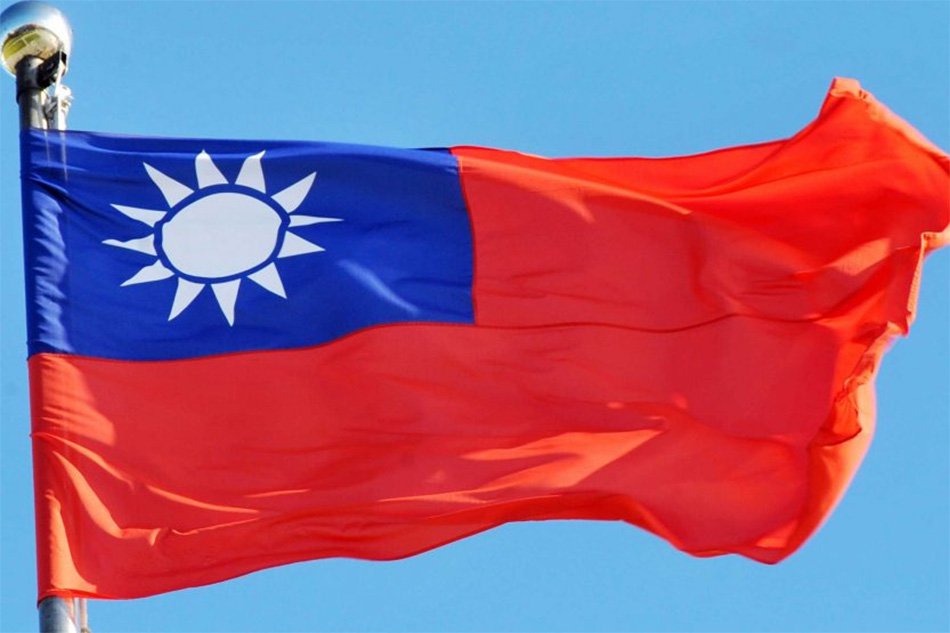
The question of why the island often referred to as "Taiwan" isn't consistently called "Republic of China" in international discourse is a deeply complex and politically charged issue. It's a narrative woven from historical conflicts, evolving diplomatic relations, and distinct national identities.


The Name "Taiwan": An Indigenous Origin

The name "Taiwan" itself has a fascinating origin, believed to date back to the Dutch colonial era in the 17th century. It is thought to be derived from the name of a local indigenous tribe called "Tayouan" or "Taivoan."

Loading...

Early Names: Before the Dutch arrived, the island was known by various names, including Xiaodong dao (little eastern island) and Dahui guo (the country of Dahui).

The Dutch Arrival: The Dutch East India Company established a colony in southwestern Taiwan in 1624, near present-day Tainan.

"Tayouan" as a Place: The Dutch named this settlement "Tayouan" or "Taijowan," likely based on the Taivoan indigenous people.

Adoption by Chinese: This name "Tayouan" was subsequently adopted by the Chinese, particularly the Minnan Chinese (Hokkien speakers), evolving into the familiar "Taiwan" (臺灣 or 台灣).

Official Usage: The Chinese name "Taiwan" became official during the Qing dynasty in 1684 with the establishment of Taiwan Prefecture.

Modern Usage: While the official name of the island's governing entity is the Republic of China (ROC), "Taiwan" is the name most commonly used in English and many other languages globally.

Visit my Ultimate Taiwan Travel Guide to learn more.


The "One China" Principle: An Unfinished Civil War?

The deeper political complexity stems from the Chinese Civil War. The perspective from mainland China (People's Republic of China - PRC) asserts that there is only "One China," and Taiwan is an inalienable part of it. This view posits that both the Communist Party of China (CPC) under Mao Zedong and the Kuomintang (KMT) under Chiang Kai-shek, despite their conflict, agreed on the principle of a single China, differing only on who held legitimate rule.

The current situation is often characterized by Beijing as an "unfinished civil war." In the 1950s, after the KMT retreated to Taiwan, Chiang Kai-shek sought opportunities to reclaim the mainland, including during the Korean War. However, the U.S. reportedly warned against and prohibited such actions, as a divided China was seen as serving U.S. interests.

Decades later, power dynamics shifted. As mainland China's national power surpassed Taiwan's, the prospect of reclaiming the mainland became increasingly unrealistic for Taipei. This historical trajectory, from Beijing's viewpoint, led to the rise of a "Taiwan Independence" movement, driven by internal and external factors rather than a foundational disagreement on the "One China" principle. The "One China" principle is formally recognized by the United Nations and acknowledged by many countries, including the United States (though with its own nuanced "One China policy" that differs from Beijing's principle).


Factors Behind the Call for Independence (from a particular perspective)

From this perspective, Taiwan's inclination towards independence is attributed to several factors:

  • Fears and Misconceptions of China: It suggests these fears are fueled by "Western propaganda" and a lack of understanding of modern China, proposing that young Taiwanese working in the mainland often develop new, more positive perspectives.

  • Political System Differences as an Excuse: While acknowledging the differing political systems (Taiwan's democracy vs. mainland China's communism) as a major "mismatch," this view questions if it's the actual reason for refusing peaceful reunification. It highlights China's stated offer that if Taiwan accepts "One China," "everything else is negotiable," implying that maintaining self-administration and current democratic freedoms is viable under this framework.

  • Anti-China Sentiment from Education: This perspective claims that the Taiwanese education system and media foster an "anti-China emotion," leading many Taiwanese to perceive China as an enemy without clear, well-reasoned justifications.

  • Perception of Superior Status: It suggests that a segment of the Taiwanese population views themselves as a "higher class, well-educated Chinese" compared to mainlanders, leading them to resist reunification, which they perceive as a "downgrading their status and superiority."

The provided analysis concludes that any official declaration of "Taiwan Independence" by changing its national naming would breach the "One China bottomline" and likely result in military action from mainland China. This is why, from this viewpoint, the current Taiwanese government would never officially announce such a statement.

Visit my list of Frequently Asked Questions in Taiwan (FAQs) to learn more.


Key Historical Milestones in the Separation


1949: Chiang Kai-shek's Nationalists (Republic of China) lose the civil war to Mao Zedong's Communist forces (People's Republic of China) and establish a government-in-exile on Taiwan.

1958: China bombards offshore islands held by Nationalist troops, almost sparking a war with the U.S.

1971: Taiwan (Republic of China) loses its U.N. seat, held since 1946, to the People’s Republic of China. Its diplomatic allies subsequently dwindle.

1987: Taiwan and China begin cautious rapprochement, allowing cross-Strait family visits.

1991: Taiwan formally renounces the use of force to retake the mainland.

1993: A landmark bilateral meeting takes place in Singapore.

Jan 1995: Chinese President Jiang Zemin calls for high-level talks to end hostility; Taiwan rejects the offer.

June 1995: Taiwan President Lee Teng-hui's private trip to the U.S. enrages Beijing.

March 1996: China test-fires missiles near Taiwan ahead of the island’s first democratic presidential elections.

1998: Taiwan envoy Koo Chen-fu meets Jiang in China, marking the highest-level contact in nearly five decades.

1999: Lee unilaterally redefines bilateral ties as “special state-to-state,” leading Beijing to freeze semi-official talks.

Jan 2001: Taiwan opens direct but limited trade and travel links with China.

March 2005: China’s parliament passes an anti-secession bill, authorizing the use of force if Taiwan declares independence.

2007: Taiwan bans the 2008 Beijing Olympics torch relay from the island after talks fail.

June 12, 2008: Beijing hosts two-day talks, seen as a step in new Taiwan President Ma Ying-jeou’s plan to invigorate ties.

This intricate historical backdrop continues to shape the ongoing debate, making the question of Taiwan's name and status a central point of international geopolitical discussion.


Why is it Called "Taiwan": The History of What We Know Now, Republic of China


Planning a trip to Taiwan? Whether you're a first-time traveler or just curious about what to expect, this guide answers the most frequently asked questions about visiting this beautiful island nation. From navigating cities to staying safe, here’s everything you need to know before you go.


1. What is the Language Used in Taiwan? Is English Spoken? What About Signages?

Mandarin Chinese is the official language in Taiwan. While English isn’t widely spoken among the general population, especially in rural areas or with older locals, you’ll find that most younger people, hotel staff, and service personnel in touristy areas can communicate in basic English.

Signages in Taiwan

The good news is that signages in transportation hubs, tourist attractions, and main city areas are bilingual, with both Chinese and English. This makes it easier to get around even if you don’t speak Mandarin.

You can also use translation apps to help you communicate with the locals.

Loading...

2. What Currency is Used in Taiwan, and Where Can I Withdraw Cash?

Taiwan uses the New Taiwan Dollar (TWD or NT$). It’s best to have some cash on hand, especially when traveling outside big cities.

We opted to withdraw NT$ 10,000 for the 3-day trip in Taiwan

You can withdraw money from ATMs at convenience stores like 7-Eleven and FamilyMart, as well as from major banks like E.SUN Bank, Bank of Taiwan, and CTBC Bank. Most machines accept international Visa and MasterCard debit/credit cards.

Currency exchange is also available at international airports and select banks in major cities.


3. Should I Use Cash or Cashless Payments?

Taiwan is still primarily a cash-based society, especially in night markets, traditional shops, and rural areas. However, major establishments like department stores, hotels, and chain restaurants accept credit and debit cards.

Locals often use mobile payment apps like LINE Pay, JKOPay, or Taiwan Pay, but these are not usually accessible to tourists. Foreign e-wallets (like GCash or AlipayHK) are currently not supported.

My EasyCard I ordered from Klook app

If you're looking for convenience, you can buy a reloadable EasyCard or iPASS to pay for MRT rides, buses, and even some convenience store items.


4. How Do I Navigate Around Taiwan? What Apps Should I Use?

Taiwan has a well-developed public transportation system, especially in cities like Taipei and Kaohsiung. Signages are in both Chinese and English.

Us on Taoyuan Airport MRT

Helpful apps include:

  • Google Maps – for walking, buses, MRT

  • Taipei Metro App – for MRT navigation

  • Bus+ or Bus Tracker Taiwan – real-time bus info

  • Uber – available in major cities

  • Taiwan Railways and HSR official apps – for booking intercity train tickets


5. What Are Public Bathrooms Like in Taiwan?

Taiwan has clean and well-maintained public restrooms, even in MRT stations and tourist areas. However, squat toilets are still common, especially in older facilities and rural areas.

Toilet in Yehliu Geopark

Many restrooms also don’t provide toilet paper, so it’s smart to bring your own tissue and hand sanitizer when you go out. Some squat toilets are found in Taipei 101 and Yehliu Geopark.


6. What’s the Best Way to Travel Around Taiwan?

In cities, the MRT is your best friend. It’s safe, cheap, clean, and punctual. Buses, YouBike rentals, and taxis are also widely available.

For intercity travel, you can take:

  • Taiwan High Speed Rail (HSR) – Fast and comfortable, perfect for travel on the west coast.

  • Taiwan Railways (TRA) – Covers both urban and rural regions with scenic views.

In rural areas, public transport is less frequent. Renting a scooter or car is often the best way to explore.


7. Are Convenience Stores Really That Common in Taiwan?

Absolutely! 7-Eleven, FamilyMart, Hi-Life, and OK Mart are found on almost every street corner, including small towns and scenic areas.

A 7-Eleven store at Taoyuan Airport basement

They’re not just for snacks—they offer ATM services, mobile top-ups, bill payments, seating areas, and sometimes even laundry or parcel pick-up. You can easily live off convenience store food if you're traveling on a budget.


8. What Emergency Numbers Should I Know in Taiwan?

In case of an emergency, here are the important numbers to remember:

  • Police: 110

  • Fire/Ambulance: 119

  • Tourist 24/7 Hotline (English): 0800-011-765

  • Foreign Affairs Police: 0800-024-111

These hotlines are available 24/7 and are friendly to foreign travelers.

Ximending Shopping Area

9. Is Taiwan Safe for Travelers?

Taiwan is consistently ranked as one of the safest countries in Asia. Violent crimes are rare, and locals are generally honest and helpful. Petty theft is uncommon, even in crowded night markets or MRT stations.

Still, basic precautions apply: avoid leaving valuables unattended, and stay alert in less populated areas at night.


10. Is There a Philippine Embassy in Taiwan?

While the Philippines and Taiwan do not have formal diplomatic relations due to the Philippines' One-China Policy, the Manila Economic and Cultural Office (MECO) serves as the Philippines' representative office in Taiwan.

MECO functions as a de facto embassy, performing consular services and protecting the interests of Filipinos in Taiwan. It handles matters such as:

  • Issuance and renewal of passports
  • Visa applications for Taiwanese nationals visiting the Philippines
  • Assistance to Filipino workers and residents
  • Promotion of trade, investment, and cultural exchanges

MECO has its main office in Taipei and also maintains extension offices in Kaohsiung and Taichung to better serve the Filipino community across Taiwan. See the List of MECO Offices to learn more.

Its counterpart in the Philippines is the Taipei Economic and Cultural Office (TECO), located in Makati City.


11. What Are the Must-Visit Tourist Spots in Taiwan?

Taiwan offers a mix of nature, history, culture, and modern attractions. Here are some top picks:

  • Taipei: Taipei 101, National Palace Museum, Chiang Kai-shek Memorial Hall, Ximending

  • New Taipei: Jiufen Old Street, Shifen Waterfall, Yehliu Geopark

  • Taichung: Rainbow Village, Gaomei Wetlands

  • Tainan: Historic temples and ancient fortresses

  • Kaohsiung: Lotus Pond, Pier-2 Art Center

  • Hualien: Taroko Gorge

  • Nantou: Sun Moon Lake, Qingjing Farm

  • Alishan: Alishan Forest Railway and sunrise views

  • Taitung: East Rift Valley and Pacific coastline

  • Wulai: Hot springs and indigenous culture


Final Thoughts

Taiwan is a fantastic destination that balances tradition with modern convenience. It’s safe, welcoming, and full of unforgettable experiences—from night markets and natural wonders to historical towns and cultural festivals. With this FAQ guide, you’re now ready to explore Taiwan with confidence!


10 Frequently Asked Questions About Traveling to Taiwan (2026 Guide)

taiwan visa philippines 2019  taiwan visa philippines 2018  taiwan visa requirements 2019  taiwan visa philippines 2020  taiwan visa free requirements  taiwan visa free 2019  taiwan visa free extension  taiwan visa free philippines 2019

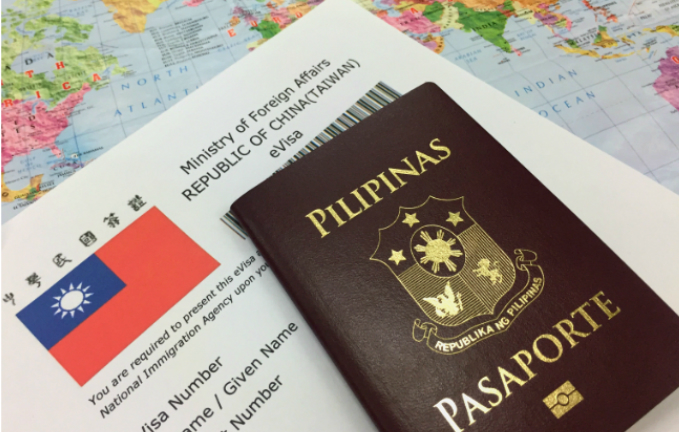
Taipei Economic and Cultural Office announced extension of Visa-free privilege for Filipinos entering Taiwan.


On its website, Teco said the privilege was extended up to July 31, 2020. The visa-free privilege was supposed to expire on July 31 this year.

As of writing, there are 66 Visa-Free Countries For Philippine Passport Holders

According to Teco, Filipinos may enter Taiwan without a visa for up to 14 days. This, however, cannot be extended.

Loading...

Filipino travelers also have to meet the following requirements for Free Visa in Taiwan:

taiwan visa philippines 2019  taiwan visa philippines 2018  taiwan visa requirements 2019  taiwan visa philippines 2020  taiwan visa free requirements  taiwan visa free 2019  taiwan visa free extension  taiwan visa free philippines 2019

  • Possess an ordinary/regular passport with remaining validity of at least six months from the date of entry
  • Hold a confirmed return plane or boat ticket, or a confirmed plane or boat ticket, along with a valid visa, for an onward destination
  • Provide the confirmation of hotel reservations or an address and contact details for their stay in Taiwan, as well as a financial statement
  • Have a clean criminal record, as verified by immigration upon arrival at an airport or seaport in Taiwan
  • Teco explained that the extension of the visa-free privilege “is a display of Taiwan’s amity with the Philippines as the country continues to boost the travel convenience for Filipinos to visit Taiwan for leisure, business, or other short-term purposes,” adding that the privilege seeks to deepen Taiwan’s relationship with the Philippines in various fields


“The Philippines is not only Taiwan’s closest neighbor but also a priority partner for Taiwan’s ‘New Southbound Policy’ which aims to build stronger bilateral relations and closer people-to-people connectivity with its neighboring countries in the region,” Teco said.


Cheapest Flights and Airline Tickets Online Booking

The visa-free privilege was first implemented in 2017 and immediately reflected an increase in the number of Filipinos visiting Taiwan.


“The Philippines is not only Taiwan’s closest neighbor but also a priority partner for Taiwan’s ‘New Southbound Policy’ which aims to build stronger bilateral relations and closer people-to-people connectivity with its neighboring countries in the region,” Teco said.


ATTRACTIONS TO SEE IN MANILA 

Klook.com

The visa-free privilege was first implemented in 2017 and immediately reflected an increase in the number of Filipinos visiting Taiwan.

Taiwan Visa Free for Filipinos Extended for another year


Simula sa Nobyembre 1, ang mga bisita ng Pinoy ay maaari na ngayong makapag-enjoy ng visa-free entry sa Taiwan, ang kinatawan ng Taipei office sa Manila na inihayag noong Lunes.

JUST IN: Taiwan Grants Visa-free To All Filipinos Starting November 1, 2017


Filipino tourists can continue to enjoy hassle-free travel to Taiwan for another year, as Taiwan's Ministry of Foreign Affairs (MOFA) officially announced the extension of its visa-free entry program for Philippine nationals until July 31, 2026.


The significant announcement was made by Taiwan's Minister of Foreign Affairs, Lin Chia-lung, during the Philippine Independence Day celebration hosted by the Manila Economic and Cultural Office (MECO) in Taipei on Friday, June 13. The current visa-free privilege, which allows Filipinos to stay for up to 14 days, was set to expire on July 31, 2025, making this extension a welcome development for travelers.

"To continue to deepen bilateral ties between Taiwan and the Philippines, I announce that 'Taiwan will extend the visa-free entry program for Filipino nationals for one year,'" Minister Lin stated in his speech.


Loading...

The extension, effective from August 1, 2025, to July 31, 2026, also covers nationals from Thailand and Brunei, aligning with Taiwan's "New Southbound Policy" aimed at strengthening engagement with Southeast Asian countries. MOFA clarified that it will continue to review and fine-tune its visa policies to both attract more visitors and ensure national security.


Minister Lin also expressed a reciprocal hope, urging the Philippines to consider granting visa-free privileges to Taiwanese nationals in the near future. "We also hope that in the near future, Taiwanese people will be able to travel visa-free to the Philippines under the principle of reciprocity, so that they can start a go-and-go holiday as long as they simply pack their bags and bring," a translated portion of his speech indicated.

Beyond individual tourism, MOFA confirmed that the "Project for Simplifying Visa Regulations for High-end Group Tourists from Southeast Asian Countries" will also be extended through December 31, 2026. The conditional visa-free entry via the Travel Authorization Certificate (TAC) scheme will similarly remain in place.


The extension underscores the flourishing people-to-people exchanges between Taiwan and the Philippines. Minister Lin highlighted that some 415,000 Filipino tourists visited Taiwan in 2024, making the Philippines Taiwan's largest source of tourists from Southeast Asia and fifth globally. He also acknowledged the vital contribution of approximately 160,000 Filipino migrant workers in Taiwan, recognizing their hard work in various sectors.

Lin emphasized the Philippines' role as an "important neighbor" due to shared values of freedom and democracy, and their strategic position within the Indo-Pacific First Island Chain. He reiterated the shared responsibility of Taiwan and the Philippines in maintaining regional peace and stability.

This positive development in tourism and bilateral relations follows a significant move by the Philippine government in April. Malacañang eased decades-old travel restrictions on Philippine government officials traveling to Taiwan for economic, trade, and investment purposes. Memorandum Circular No. 82, signed by Executive Secretary Lucas Bersamin, effectively modified Executive Order No. 313 from 1987, which had previously prohibited most official engagements with Taiwan in adherence to the One-China Policy.

Visit my list of Frequently Asked Questions in Taiwan (FAQs) to learn more.


Minister Lin noted that this relaxation lays a crucial foundation for the joint promotion of a Taiwan-Philippines Economic Corridor, fostering cooperation in fields such as agriculture, technology, energy, smart solutions, and economic resilience.

Despite the absence of formal diplomatic relations due to the One-China Policy, both sides are clearly demonstrating a commitment to deepen substantive ties and facilitate greater exchanges.


Taiwan Extends Visa-Free Entry for Philippine Passport Holders Until 2026


Taiwan
is a destination that captivates the heart of every traveler with its rich cultural heritage, modern cities, scenic nature spots, and delicious street food. For Filipino tourists, Taiwan offers a mix of comfort and adventure, affordability and charm, and most importantly, visa-free access (as of 2025) that makes it one of the most convenient international getaways from the Philippines. If you are planning a Taiwan trip and don’t know where to begin, this ultimate travel guide is for you.

Me in Taipei

Packed with practical information, detailed itineraries, personal experience, and helpful tips, this long-form blog is tailored to give Filipino travelers a thorough and enjoyable preparation for their journey to the heart of East Asia.

2025 UPDATE: Taiwan Extends Visa-Free Entry for Philippine Passport Holders Until 2026


Getting to Taiwan from the Philippines

Flying to Taiwan from the Philippines is very straightforward, especially from Metro Manila. Several airlines, including Cebu Pacific, AirAsia, Philippine Airlines, and China Airlines, offer direct flights from NAIA (Ninoy Aquino International Airport) to Taoyuan International Airport (TPE), which is Taiwan’s main international gateway.

NAIA (Ninoy Aquino International Airport

The average flight duration is approximately 2 hours, making it a short-haul international destination suitable for both quick getaways and longer vacations. These airlines regularly offer promotional fares, so it's wise to monitor seat sales and book tickets at least two to three months in advance to secure the lowest possible fares.

Goodbye Manila

For example, during a promo season, you can score roundtrip tickets for as low as PHP 3,500 to PHP 6,000.


Touchdown Taiwan!

Once you arrive at Taoyuan International Airport, you can conveniently take the Airport MRT to downtown Taipei, which takes around 35 to 45 minutes.

Us on Taoyuan Airport MRT

Alternatively, you can ride the Kuo-Kuang Airport Bus, which operates 24/7 and takes you directly to Taipei Main Station for just NT$133 per person.

Kuo-Kuang Bus to Taipei

This is a convenient and budget-friendly option, especially if you arrive late at night or prefer a direct ride without transfers. Both MRT and bus are clean, safe, and foreigner-friendly, with English signs.

Visit my guide on How to Travel from Manila to Taipei to learn more.


Things To Do Upon Arrival at Taoyuan Airport Before Going to Taipei

Once you land at Taoyuan International Airport, take a few important steps to ensure a smooth and enjoyable start to your Taiwan adventure:

Go Through Immigration and Baggage Claim
  • Be ready with your Philippine passport, return ticket, and hotel booking. Immigration officers may ask a few questions about your trip.

Try Your Luck at Lucky Land
  • Find the Lucky Land booth at the arrival hall, where tourists can try winning NT$5,000 worth of e-vouchers. You can use it on either accommodation or purchases at selected stores all over the country. 

Buy or Claim Your EasyCard
  • The EasyCard is your all-in-one transportation card for MRT, buses, YouBike, and even convenience stores. You can purchase it at the Airport MRT station or 7-Eleven/FamilyMart.

Get a Local SIM Card or Pocket Wi-Fi
  • Stay connected by purchasing a local SIM card with unlimited data or renting a pocket Wi-Fi. There are telecom counters right after customs—popular providers include Chunghwa, FarEasTone, and Taiwan Mobile. You can order eSIMs from Airalo or Klook.

Withdraw or Exchange Money
  • Although Taiwan is becoming more digital, cash is still king in night markets and small stores. You can withdraw TWD from airport ATMs using international debit/credit cards or exchange currency at money changers inside the arrival hall.

How Much is 1 New Taiwan Dollar (NT$)?
  • As of writing, the exchange rates are approximately:

    • 1 New Taiwan Dollar (TWD) = 0.0333 US Dollar (USD)
    • 1 New Taiwan Dollar (TWD) = 1.8545 Philippine Peso (PHP)


Compare Air Fares

A quick and easy way to do this is to use flight search engines A.K.A airfare comparison sites. Get started by following the steps below:

Step 1: Visit the best flight search engines listed below (click the links to open a new tab).

Step 2: Enter your destinations and travel dates to compare airfares.

Step 3: Go back to this page and select another flight search engine.

Step 4: Repeat steps #2 & #3 until you visit all sites listed.

Step 5: Review the airfare results to find out which airline/site offers the cheapest prices. Take note of all the airlines listed. Use the “Filter” feature to see a list of airlines that fly to your destination.


Taiwan Visa-Free Entry for Filipinos (As of 2025)

One of the biggest advantages for Filipino travelers is the visa-free entry to Taiwan. As of 2025, Philippine passport holders are allowed to stay in Taiwan for up to 14 days without a visa. This policy, which has been renewed several times in recent years, has significantly boosted tourism between the two countries.


To be eligible, travelers must present a valid Philippine passport (with at least 6 months validity), a return or onward ticket, proof of accommodation (like a hotel booking), and occasionally, proof of financial capacity or travel itinerary.

It's always a good practice to visit the official website of the Taipei Economic and Cultural Office (TECO) in the Philippines before your trip to double-check for any recent changes to the visa-free policy. Immigration officers at Taiwan’s entry points are generally courteous but may ask a few questions about your travel plans, so it’s helpful to have your hotel booking and flight details readily accessible.


Loading...

What to Pack for Taiwan

Packing for Taiwan requires a bit of planning, especially considering that the country has four distinct seasons. For most of the year, lightweight clothing is fine, but you should always bring a jacket or sweater because temperatures can drop, especially during spring and fall. Taiwan weather can be unpredictable—a sunny morning can quickly turn into a rainy afternoon, so packing a compact umbrella or raincoat is essential.

Us boarding for our flight to TPE

A good pair of walking shoes is a must, especially since you will be walking a lot while exploring night markets, tourist spots, and natural parks. Bring a reusable water bottle because Taiwan is very eco-conscious and has many public water refill stations. Don’t forget your power bank, phone charger, and a universal adapter since Taiwan uses Type A and B power sockets.


Best Time to Visit Taiwan

Taiwan is a year-round destination, but some seasons are more favorable depending on the kind of experience you want. Spring (March to May) is one of the best times to visit due to the mild temperatures and the chance to see cherry blossoms in full bloom. Parks and mountains turn vibrant with colors, making it ideal for nature lovers and photographers.

Fall (September to November) is another great season. The weather is cool and comfortable, perfect for city exploration and countryside tours. Rain is less frequent, and the humidity levels are low.

Taipei on a cloudy and rainy day

Summer (June to August) can be hot and humid, with occasional typhoons, so it’s best to pack light clothes and always check the weather forecast. Winter (December to February) is chilly but rarely drops below 10°C in Taipei. However, if you go to the mountains, you may even experience snow.

Festivals such as the Lantern Festival (February) and Mid-Autumn Festival (September) offer cultural immersion and beautiful night views. Always consider these events when planning your trip, as they can add a unique touch to your travel experience.


How to Get Around Taiwan

Getting around Taiwan is easy thanks to its efficient, modern, and foreigner-friendly transportation system. In Taipei, the MRT is your best friend. It connects all major attractions and districts, is extremely clean and punctual, and has English signage everywhere. Buy an EasyCard at any MRT station or convenience store; it works on buses, MRT, trains, and even ferries.

My EasyCard I ordered from Klook app

For intercity travel, Taiwan High Speed Rail (HSR) connects Taipei to the southern city of Kaohsiung in just under two hours. It’s fast, clean, and scenic. Taiwan Railways Administration (TRA) trains serve smaller towns and coastal regions not covered by the HSR.

Buses are a budget-friendly option and are available in both cities and provinces. For convenience, use the Bus+ app, Google Maps, or Apple Maps, which provide real-time updates. Taxis and Uber are widely available in Taipei, but make sure to have your destination written in Chinese characters if your driver doesn’t speak English.

Rainbow Bridge over Keelung River | Photo from Travel Taipei

For more adventurous or longer stays, consider renting a scooter or even a bicycle through Taiwan's YouBike sharing program.


Where to Stay in Taiwan

Choosing where to stay in Taiwan depends on your travel style and planned itinerary. Taipei, the capital city, is the most popular base for travelers. The city has a wide range of accommodations from luxury hotels and business inns to budget hostels and stylish Airbnb apartments.

Ximending Shopping Area

In Taipei, Ximending is perfect for first-time visitors. It's a youthful, vibrant area with countless food stalls, shopping spots, and easy MRT access. Zhongzheng is more central and historical, ideal for those interested in museums and government landmarks. Xinyi District is modern and upscale, home to Taipei 101 and high-end malls. Daan offers a quieter, greener atmosphere with parks and cozy cafes.

Hotel Riverview Taipei

Popular hotel choices include Amba Taipei Ximending, Hotel Papa Whale, CityInn Hotel Plus, and various Airbnb options near MRT stations. Booking accommodations early, especially during weekends or festivals, ensures better rates and more choices.


Must-Visit Attractions and Day Trips from Taipei

Taipei itself is home to several must-see tourist attractions. Start with the iconic Taipei 101—once the tallest building in the world, it remains a symbol of Taiwan's modernity and offers a jaw-dropping panoramic view from the observation deck. Just below it is a luxurious shopping mall and Din Tai Fung's flagship branch where you can taste world-famous xiao long bao (soup dumplings).

Taipei 101 at night

Nearby is Elephant Mountain, a short but steep hike that rewards you with some of the best views of the Taipei skyline, especially during sunset. In the city center, explore Chiang Kai-shek Memorial Hall, the National Palace Museum, and the sprawling Daan Forest Park. Don’t miss the changing of the guards at CKS Memorial for a bit of tradition and ceremony.

Daan Forest Park

From Taipei, you can easily plan day trips to Yehliu Geopark, famous for its rock formations including the Queen’s Head, or Jiufen, an old mining town that inspired the setting of Studio Ghibli’s Spirited Away.

Yehliu Geopark

You can also head to Shifen to release sky lanterns or take a more nature-centric trip to Wulai, known for its waterfalls, riverside hot springs, and indigenous culture.

Wulai Old Street

These day trips are accessible via public transportation such as local trains, buses, and the MRT. If you're traveling with a group or want more convenience, booking a private or group tour via Klook or KKDay is also highly recommended.

Wulai


More Taiwan Tourist Spots

  • Taichung: Rainbow Village, Gaomei Wetlands

  • Tainan: Historic temples and ancient fortresses

  • Kaohsiung: Lotus Pond, Pier-2 Art Center

  • Hualien: Taroko Gorge

  • Nantou: Sun Moon Lake, Qingjing Farm

  • Alishan: Alishan Forest Railway and sunrise views

  • Taitung: East Rift Valley and Pacific coastline


Food and Night Market Guide

Taiwan is a haven for foodies. Its street food culture is vibrant and affordable, and night markets are at the heart of the local experience.

Shilin Night Market

The most famous one is Shilin Night Market in Taipei, where you can try oversized fried chicken, stinky tofu, bubble tea, oyster omelets, and grilled squid. Raohe Night Market is another must-visit, smaller but packed with amazing food including pepper buns baked in a clay oven.

Me trying Taiwan Chicken

In Ximending, you'll find trendy snacks like flaming beef cubes, rainbow cheese toast, and Taiwanese fried milk. Don’t forget to try the original bubble tea at Chun Shui Tang or Hanlin Tea Room.

For breakfast, seek out local chains like Fu Hang Soy Milk, where long lines prove just how good traditional Taiwanese breakfast can be.

Dining in Taiwan is generally affordable. A filling meal at a night market can cost you around TWD 100-200 (PHP 180-360), and convenience stores like 7-Eleven and FamilyMart also offer surprisingly good bento boxes and snacks.


Sample 5-Day Taiwan Itinerary for Filipinos

Here's a well-balanced sample itinerary based on personal experience and Filipino travel habits, including food trips, cultural stops, nature sightseeing, and a bit of shopping.

Taipei 101

Day 1: Arrival and Taipei City Exploration


Arrival at Taoyuan Airport → take Airport MRT or bus to Taipei

Check in at your hotel in Ximending

Visit Chiang Kai-shek Memorial Hall

Explore Ximending Night Market and try street food: fried chicken, flame-grilled beef cubes, bubble tea

Optional: Watch a local movie or street performances

Chiang Kai-shek Memorial Hall

Day 2: Northern Taiwan Day Trip (Jiufen & Shifen)


Take a train to Ruifang Station → transfer to Jiufen Old Street

Visit the iconic tea houses, try taro balls and fish balls

Head to Shifen Waterfall and release a sky lantern at Shifen Old Street

Return to Taipei in the evening

Night Market stop: Raohe Street Night Market

Sky lantern release at Shifen Old Street

Day 3: Taipei Landmarks and Culture


Morning hike to Elephant Mountain for a panoramic city view

Explore Taipei 101 Observatory Deck and food court at Taipei 101 Mall

Afternoon visit to the National Palace Museum

Enjoy dinner at Din Tai Fung (original branch or Taipei 101 branch)

Walk around Daan Park or shop at nearby malls in Xinyi

Me at Taipei 101 89F observation deck

Day 4: Nature and Relaxation in Wulai


Take MRT + bus to Wulai (hot springs town)

Explore Wulai Waterfall, ride the mini-train

Soak in a hot spring bath (many budget options or riverside free dips)

Return to Taipei and have a light dinner near your hotel

Optional: Late night stroll along Tamsui Riverside Park or visit a cat café

Wulai Waterfall

Day 5: Last-minute Shopping and Departure


Quick breakfast at Fu Hang Soy Milk (or a convenience store bento)

Do last-minute shopping at Carrefour or Ximending

Head to Taoyuan Airport via Airport MRT or bus

Departure back to Manila

Pro tip: Always leave 3 to 4 hours buffer time before your return flight, especially if using public transport to the airport.

Taipei Metro

Budget Breakdown

Here’s a sample budget breakdown for your 5-day Taiwan trip. This estimate is ideal for budget to mid-range travelers who want comfort but also value-for-money experiences:


Sample 5-Day Taiwan Trip Budget (Per Person)


✈️ Roundtrip Airfare:
  • ₱4,000 – ₱8,000
  • Promo fare from Cebu Pacific / AirAsia (book 2-3 months in advance)

🏨 Accommodation (4 nights):
  • ₱4,500 – ₱8,000
  • Budget hotel or 2–3 star Airbnb (₱1,100–₂,000 per night)

🍽️ Food & Drinks:
  • ₱3,000 – ₱4,500
  • ₱600–₱900 per day (street food, night markets, cafes, 7-Eleven meals)

🚇 Transportation:
  • ₱1,200 – ₱1,800
  • EasyCard top-up, Airport MRT, local buses, possible TRA trips

🏞️ Entrance Fees/Tours:
  • ₱800 – ₱1,500
  • Taipei 101 Observatory, Yehliu, hot springs, or Jiufen/Shifen day tours

📱 SIM Card / Wi-Fi:
  • ₱400 – ₱800
  • 5-day unlimited data SIM or pocket Wi-Fi rental

🛍️ Souvenirs & Extras:
  • ₱1,000 – ₱2,000
  • Local snacks, souvenirs, personal shopping

Total Estimated Budget:
  • ₱14,900 – ₱26,600 for 5 days in Taiwan per person.

Tip: Always bring a small emergency fund (₱2,000–₱5,000) in case of unexpected expenses, especially if you plan to splurge on activities, branded shopping, or upgrade accommodations.

A-Mei Tea House in Jiufen | Photo by Where and Wander

Tips for Your Taiwan Adventure


Stay connected: Consider buying a local SIM card or renting a pocket Wi-Fi at the airport.

Learn a few basic Mandarin words: Simple phrases like "Ni hao" (hello), "Xie xie" (thank you), and "Zhe ge duō shǎo qián?" (how much is this?) go a long way.

Keep change and coins: Small shops and bus fares often require exact amounts.

Respect local customs: Taiwanese people are polite, orderly, and environmentally conscious—return the favor.

Bring a reusable bag: Plastic bags are not free in stores.

Always have your EasyCard: It’s your key to hassle-free transportation and small purchases.

Take your time: Taiwan is best enjoyed at a relaxed pace, with time to explore side streets, hidden temples, and local eats.

Whether you're visiting Taiwan for the first time or returning for more, this fascinating country will always have something new to offer. With the right planning and an open heart, your Taiwan adventure is sure to be unforgettable.

Wulai

Is There a Philippine Embassy in Taiwan?

While the Philippines and Taiwan do not have formal diplomatic relations due to the Philippines' One-China Policy, the Manila Economic and Cultural Office (MECO) serves as the Philippines' representative office in Taiwan.

MECO functions as a de facto embassy, performing consular services and protecting the interests of Filipinos in Taiwan. It handles matters such as:

  • Issuance and renewal of passports
  • Visa applications for Taiwanese nationals visiting the Philippines
  • Assistance to Filipino workers and residents
  • Promotion of trade, investment, and cultural exchanges

MECO has its main office in Taipei and also maintains extension offices in Kaohsiung and Taichung to better serve the Filipino community across Taiwan. See the List of MECO Offices to learn more.

Its counterpart in the Philippines is the Taipei Economic and Cultural Office (TECO), located in Makati City.


Final Thoughts: Why You Should Visit Taiwan

Taiwan is more than just a travel destination—it’s a complete experience. From modern convenience to cultural depth, peaceful landscapes to bustling markets, this East Asian gem is an underrated favorite for travelers. The short travel time, visa-free entry, and friendly locals make it accessible. But what makes Taiwan truly special is its unique balance between old-world traditions and futuristic cities.

This is me during my visit in May 2025

Whether you're a food lover, a nature explorer, a cultural seeker, or just someone looking for a memorable barkada or family trip, Taiwan has something for you. So prepare your EasyCard, pack your umbrella and appetite, and let Taiwan surprise you with its warm hospitality and vibrant culture.


WHERE TO NEXT?


The Ultimate Taiwan Travel Guide: Itinerary, Tips, and Must-See Attractions