Showing posts with label Visa. Show all posts

In a significant move aimed at boosting its tourism sector, the Philippine Department of Foreign Affairs (DFA) has officially announced new visa-free privileges for Indian nationals entering the country for tourism purposes.


These updated policies, effective since June 8, 2025, are set to open up the popular Southeast Asian destination to a wider segment of the Indian travel market.

The new regulations introduce two distinct visa-free entry options for Indian tourists, catering to different travel needs and existing visa statuses.

If you consider visiting as a tourist, here's Everything You Need to Know Before Going to the Philippines!

Loading...

1. 14-Day Visa-Free Entry for General Tourism

Indian nationals can now enter the Philippines without a visa for a period of 14 days. This privilege is non-extendible and non-convertible to other visa types. To avail of this, travelers must present:

  • A passport valid for at least six (6) months beyond their intended stay.

  • Confirmed hotel accommodation or booking.

  • Proof of financial capacity to support their trip.

  • A confirmed return or onward ticket to their next country of destination.


2. 30-Day Visa-Free Entry for Holders of Select Valid Visas (AJACSSUK)

For Indian nationals who hold valid and current visas or residence permits from specific developed countries, the Philippines offers an extended visa-free stay of 30 days. This applies to those with valid visas from American, Japanese, Australian, Canadian, Schengen, Singapore, or United Kingdom (AJACSSUK) jurisdictions. Like the 14-day privilege, this 30-day entry is non-extendible and non-convertible. Requirements include:

  • A passport valid for at least six (6) months beyond their contemplated stay.

  • Their valid and current AJACSSUK visa or residence permit.

  • A confirmed return or onward ticket to their next country of destination.

The DFA clarified that these updated visa-free privileges can be availed at any Philippine port of entry. It is crucial for all Indian nationals utilizing these privileges to ensure they do not have any derogatory records with the Bureau of Immigration (BI) to guarantee smooth admission into the country.


It's important to note that these visa-free policies are strictly for tourism purposes. Indian nationals intending to transit through the Philippines, or those planning long-term visits or engaging in non-tourism activities such as work or study, are still required to apply for the appropriate Philippine visa at a Philippine Embassy or Consulate in their country of origin or legal residence.


Furthermore, the DFA reminds the public that Indian nationals eligible for e-Visas can continue to apply through the official Philippine e-Visa website, evisa.gov.ph. Similar to the visa-free entries, e-Visas are also not extendable or convertible to other visa-based stay or admission status categories.

This strategic policy shift by the Philippine government is anticipated to significantly boost tourism arrivals from India, a growing outbound travel market, and strengthen the ties between the two nations.


Philippines Grants Visa-Free Entry to Indian Tourists


Traveling to Europe can be an exciting experience, but for many non-European travelers, obtaining a Schengen Visa is a necessary step before embarking on their journey. This visa allows visitors to explore multiple countries within the Schengen Area without the hassle of applying for separate visas for each nation. Whether you’re planning a vacation, a business trip, or visiting family and friends, understanding the visa application process is essential to ensure a smooth and successful trip.

This guide provides a detailed overview of the Schengen Visa, including its types, application process, requirements, and important tips to help you navigate the process with ease.


What is a Schengen Visa?

A Schengen Visa is a short-stay visa that allows travelers to enter and move freely within the 27 Schengen Area countries for up to 90 days within a 180-day period for purposes such as tourism, business, family visits, medical treatment, and short-term study programs.


Loading...

Schengen Area Countries

As of 2025, the Schengen Area includes the following 27 European countries:

  • Austria
  • Belgium
  • Czech Republic
  • Denmark
  • Estonia
  • Finland
  • France
  • Germany
  • Greece
  • Hungary
  • Iceland
  • Italy
  • Latvia
  • Liechtenstein
  • Lithuania
  • Luxembourg
  • Malta
  • Netherlands
  • Norway
  • Poland
  • Portugal
  • Slovakia
  • Slovenia
  • Spain
  • Sweden
  • Switzerland


Types of Schengen Visas


Uniform Schengen Visa (USV) – Allows entry to all Schengen countries for up to 90 days within 180 days.

Limited Territorial Validity Visa (LTV) – Restricted to the country or countries specified on the visa.

National Visa (D Visa) – Issued for long-term stays, often for work, study, or family reunification.


Who Needs a Schengen Visa?

Citizens from non-Schengen and non-EU countries generally require a visa unless they are from a visa-exempt country. Check the official European Union website or the respective embassy for updated visa requirements.


Schengen Visa Requirements


General Requirements:

  • Completed Schengen Visa application form (Download the form)

  • Valid passport (Must be valid for at least three months beyond your planned departure date)

  • Recent passport-sized photos (According to Schengen guidelines)

  • Proof of travel itinerary (Flight reservations, travel plans)

  • Proof of accommodation (Hotel bookings, invitation letter if staying with a host)

  • Travel medical insurance (Coverage of at least €30,000 for medical emergencies)

  • Proof of sufficient financial means (Bank statements, sponsorship letters, salary slips)

  • Cover letter (Explaining your purpose of visit)

  • Visa fee (Typically €80 for adults, €40 for children aged 6-12, free for children under 6)

Additional Documents Based on Travel Purpose:

  • Tourism: Travel itinerary, proof of accommodation, proof of sufficient funds

  • Business: Invitation letter from a company, business references

  • Family visit: Invitation letter from a family member, proof of relationship

  • Study: Enrollment letter from an institution, proof of funds

  • Medical treatment: Medical reports, appointment confirmation, financial coverage proof


ATTRACTIONS TO SEE IN MANILA 

Klook.com

How to Apply for a Schengen Visa


Step-by-Step Process:

  1. Determine your main destination (Where you’ll spend the most time)

  2. Find the appropriate consulate/embassy for application submission

  3. Schedule an appointment (Online or through visa service centers like VFS Global)

  4. Complete the visa application form

  5. Gather all required documents

  6. Attend the visa interview (Provide biometric data, answer questions about your trip)

  7. Pay the visa fee

  8. Wait for processing (Usually takes 15 days but can take longer)

  9. Processing Time

Standard processing time: 15 calendar days

Extended processing time: Up to 45 days in some cases (if additional documents or security checks are needed)


Visa Refusal and Appeal

If your visa is denied, you will receive a rejection letter explaining the reasons. You can:
  • Reapply with corrected documents
  • Appeal the decision (Follow the embassy’s appeal process and submit additional proof)


See More Visa Guides


Frequently Asked Questions (FAQs)


1. Can I visit multiple countries with one Schengen Visa?
  • Yes, a Uniform Schengen Visa (USV) allows entry to all 27 Schengen countries.

2. How early should I apply for a Schengen Visa?
  • You can apply at least 15 days and up to 6 months before your trip.

3. Can I extend my Schengen Visa?
  • Visa extensions are granted only in exceptional cases (e.g., force majeure, humanitarian reasons).

4. Do I need a Schengen Visa if I hold a valid residence permit from a Schengen country?
  • No, residence permit holders can travel within the Schengen Zone without an additional visa.

5. Can I work with a Schengen Visa?
  • No, Schengen visas do not permit work. You need a National Visa (D Visa) for employment.


Conclusion

Applying for a Schengen Visa requires thorough planning and proper documentation. By following the steps outlined in this guide, you can improve your chances of approval and enjoy a hassle-free journey to the Schengen Area.


You May Also Like...


Here's a Guide on How to Apply for a Schengen Visa (Requirements and Fees)


Presently, holders of Philippines passports have the privilege of accessing 66 destinations worldwide without needing a visa.


Visa Requirements for Philippines Passport Holders

The visa requirements for holders of Philippines passports differ from one destination to another. While some countries grant visa-free entry to Filipino citizens, others necessitate either visa-on-arrival or Electronic Travel Authorization (eTA).


This comprehensive guide furnishes detailed lists of these destinations where visa-free entry, visa-on-arrival, or eTA is applicable. Additionally, it offers vital information concerning destinations mandating prior visa acquisition, encompassing electronic visas (eVisas) and traditional visas.

If you are planning to travel abroad, here's are the Top Things to Remember Before Your International Flight

Loading...

Visa-Free Countries for Philippines Passport Holders

Holders of a Philippines passport can travel to the following 37 countries without a visa:

  1. Barbados
  2. Bolivia
  3. Brazil
  4. Brunei
  5. Cambodia
  6. Colombia
  7. Cook Islands
  8. Costa Rica
  9. Côte d’Ivoire (Ivory Coast)
  10. Dominica
  11. Fiji
  12. Gambia
  13. Haiti
  14. Hong Kong
  15. Indonesia
  16. Israel
  17. Kazakhstan
  18. Kiribati
  19. Laos
  20. Macao
  21. Malaysia
  22. Micronesia
  23. Mongolia
  24. Morocco
  25. Myanmar
  26. Niue
  27. Palestinian Territories
  28. Peru
  29. Rwanda
  30. Singapore
  31. St. Vincent and the Grenadines
  32. Suriname
  33. Taiwan
  34. Tajikistan
  35. Thailand
  36. Vanuatu
  37. Vietnam

Philippines passport holders can travel to these 37 countries without a visa. However, it's important to note that the duration of stay and the purposes for travel may vary according to the regulations of each destination. Therefore, travelers are advised to confirm if a visa is required for extended stays or for purposes not covered under the Visa Waiver Policy of the destination country.


Visa on arrival for Philippines passport holders

Philippines citizens can obtain a visa on arrival in 26 countries listed below:

  1. Burundi
  2. Cape Verde
  3. Comoros
  4. Djibouti
  5. Ethiopia
  6. Guinea-Bissau
  7. Kyrgyzstan
  8. Madagascar
  9. Malawi
  10. Maldives
  11. Marshall Islands
  12. Mauritania
  13. Mauritius
  14. Mozambique
  15. Nepal
  16. Nicaragua
  17. Palau
  18. Saint Lucia
  19. Samoa
  20. Senegal
  21. Seychelles
  22. Tanzania
  23. Timor-Leste
  24. Togo
  25. Trinidad and Tobago
  26. Tuvalu

Visa on arrival is a visa category enabling travelers to obtain their visa upon reaching the airport or border checkpoint of their destination country. Nevertheless, it's crucial to understand that visa fees, permitted length of stay, and prerequisites may differ based on the destination. Upon arrival, travelers must complete requisite paperwork and present any necessary documents. Following visa approval, visitors are permitted to enter and stay in the country for the specified period and purpose.


Electronic Travel Authorization (eTA) for Philippines Citizens

Philippines nationals are required to apply for an Electronic Travel Authorization (eTA) before traveling to the following 3 countries.

  1. Kenya
  2. Pakistan
  3. Sri Lanka

The Electronic Travel Authorization (eTA) is a mandatory digital document necessary for travelers exempt from obtaining a visa. It's crucial to understand that an eTA isn't a visa; instead, it's a pre-screening mechanism enabling travelers to apply online before their journey. Obtaining an eTA usually involves a faster and more efficient process compared to traditional visa applications, requiring submission of basic personal and travel details along with an online fee payment. Upon approval, the eTA is electronically linked to the traveler's passport and typically allows for multiple entries to the destination country within a designated period.


Countries that require an e-Visa for Philippines citizens

Philippines passport holders can obtain an electronic visa (eVisas) before traveling to the following 38 countries.

  1. Albania
  2. Antigua and Barbuda
  3. Armenia
  4. Australia
  5. Bahamas
  6. Bahrain
  7. Benin
  8. Bhutan
  9. Botswana
  10. Burkina Faso
  11. Cameroon
  12. Congo (Dem. Rep.)
  13. Ecuador
  14. Equatorial Guinea
  15. Gabon
  16. Georgia
  17. Guinea
  18. India
  19. Iran
  20. Jordan
  21. Lesotho
  22. Moldova
  23. Montserrat
  24. Nigeria
  25. Oman
  26. Papua New Guinea
  27. Russia
  28. Saint Kitts and Nevis
  29. Sao Tome and Principe
  30. Sierra Leone
  31. South Africa
  32. South Sudan
  33. St. Helena
  34. Uganda
  35. United Arab Emirates
  36. Uzbekistan
  37. Zambia
  38. Zimbabwe

An eVisa, also referred to as an electronic visa, is a type of visa that can be applied for and obtained online before traveling to a foreign country. This streamlined process eliminates the need to visit a consulate or embassy, and in most cases, the eVisa can either be printed or stored on a mobile device, and they can then present it upon arrival at the destination country.


Countries that require a regular visa for Philippines citizens

Philippines passport holders need to apply for a regular visa before traveling to the following 125 countries:

  1. Afghanistan
  2. Algeria
  3. American Samoa
  4. Andorra
  5. Angola
  6. Anguilla
  7. Argentina
  8. Aruba
  9. Austria
  10. Azerbaijan
  11. Bangladesh
  12. Belarus
  13. Belgium
  14. Belize
  15. Bermuda
  16. Bonaire, St. Eustatius and Saba
  17. Bosnia and Herzegovina
  18. British Virgin Islands
  19. Bulgaria
  20. Canada
  21. Cayman Islands
  22. Central African Republic
  23. Chad
  24. Chile
  25. China
  26. Congo
  27. Croatia
  28. Cuba
  29. Curacao
  30. Cyprus
  31. Czech Republic
  32. Denmark
  33. Dominican Republic
  34. Egypt
  35. El Salvador
  36. Eritrea
  37. Estonia
  38. Eswatini
  39. Falkland Islands
  40. Faroe Islands
  41. Finland
  42. France
  43. French Guiana
  44. French Polynesia
  45. French West Indies
  46. Germany
  47. Ghana
  48. Gibraltar
  49. Greece
  50. Greenland
  51. Grenada
  52. Guam
  53. Guatemala
  54. Guyana
  55. Honduras
  56. Hungary
  57. Iceland
  58. Iraq
  59. Ireland
  60. Italy
  61. Jamaica
  62. Japan
  63. Kosovo
  64. Kuwait
  65. Latvia
  66. Lebanon
  67. Liberia
  68. Libya
  69. Liechtenstein
  70. Lithuania
  71. Luxembourg
  72. Mali
  73. Malta
  74. Mayotte
  75. Mexico
  76. Monaco
  77. Montenegro
  78. Namibia
  79. Nauru
  80. Netherlands
  81. New Caledonia
  82. New Zealand
  83. Niger
  84. Norfolk Island
  85. North Korea
  86. North Macedonia
  87. Northern Mariana Islands
  88. Norway
  89. Panama
  90. Paraguay
  91. Poland
  92. Portugal
  93. Puerto Rico
  94. Qatar
  95. Reunion
  96. Romania
  97. San Marino
  98. Saudi Arabia
  99. Serbia
  100. Slovakia
  101. Slovenia
  102. Solomon Islands
  103. Somalia
  104. South Korea
  105. Spain
  106. St. Maarten
  107. St. Pierre and Miquelon
  108. Sudan
  109. Sweden
  110. Switzerland
  111. Syria
  112. Tonga
  113. Tunisia
  114. Turkey
  115. Turkmenistan
  116. Turks and Caicos Islands
  117. Ukraine
  118. United Kingdom
  119. United States of America
  120. Uruguay
  121. US Virgin Islands
  122. Vatican City
  123. Venezuela
  124. Wallis and Futuna
  125. Yemen

The visa application procedure and prerequisites can vary based on factors like the destination country, the purpose of the visit, and the applicant's nationality. Generally, it entails completing a form and submitting supporting documents such as a passport, travel plans, and evidence of financial stability. An interview with a consular officer at the embassy or consulate of the destination might also be necessary. Processing times for visas can span from a few days to several weeks or even months, and costs can fluctuate significantly.


ATTRACTIONS TO SEE IN MANILA 

Klook.com

The list of visa-free travel destinations for Philippines passport holders is subject to periodic changes due to factors like updated visa agreements, temporary travel restrictions, and newly enforced entry prerequisites. It's crucial to note that this list isn't static and can evolve over time. Thus, it's advisable to verify any additional visa requirements or temporary restrictions imposed by the destination country before traveling.

Furthermore, some countries may impose extra conditions or restrictions on Philippines passport holders, such as vaccination proof or quarantine mandates, which can also undergo changes over time. Staying updated on the latest travel advisories and entry stipulations is vital to ensure a smooth and seamless travel experience.


Here's a List of Visa Free Countries for Philippines Passport Holders in 2025


Dreaming of exploring the bustling streets of Seoul, hiking in the picturesque Korean mountains, or indulging in mouthwatering Korean cuisine?


To make your Korean adventure a reality, you'll need to secure a Korean visa. If you're a Filipino citizen looking to travel to South Korea, this article will guide you through the application process, requirements, and fees for obtaining a Korean visa in the Philippines.

Loading...

Before Going to South Korea

Here are essential travel information for South Korea:
  • Currency: South Korean won (KRW). $1 is equivalent to approx. ₩1,384.45.
  • Daily budget for 1 person: A daily budget of around ₩118,323 ($85).
  • Languages: The official spoken language in South Korea is Korean.
  • Socket type: Type F, 220V supply voltage and 60Hz.
  • Time zone: Greenwich Mean Time (GMT) +09:00.
  • Top 3 cities to visit: Seoul, Busan, and Incheon.
  • Top 3 landmarks/monuments: National Museum of Korea, Jeju Island, and National Maritime Museum.


WHAT TO PACK FOR SOUTH KOREA

Here are some things you might consider bringing with you for your day tour / adventure:


Shopee is my go-to app for things I needed like the ones above. If you'd like discounts and vouchers, you may get the best offers here:

South Korea Visa Overview

The South Korean government has a few visitor requirements: a valid passport and a Tourist Visa or Electronic Travel Authorization (ETA). Most nationals can apply for a South Korea ETA, a travel document that replaces a visa. With a K-ETA, it’s easy to be ready for the trip to the Republic of Korea since the application is 100% online.

You can use the iVisa Visa Checker to see if you are eligible to apply. If you’re not, you need to get a consular tourist visa at the embassy. Be aware that the Korean authorities don’t recognize dual citizenship (South Korea and another nationality).


South Korea ETA explained

The South Korea ETA is a mandatory travel document required by local authorities for visitors whose nationality is exempt from a visa. The ETA is a Multiple Entry document, valid for 2 years after arrival, so you can visit the country as often as you want during the validity period.


1. Determine Your Visa Type

Before diving into the application process, it's essential to determine the type of Korean visa you need. The most common types of Korean visas for tourists are the Tourist Visa (C-3) and the Temporary Visitor's Visa. Make sure you select the appropriate visa type based on your travel plans and purpose.


2. Gather Required Documents

Here's a list of the essential documents you'll need to prepare for your Korean visa application:

A. Visa Application Form
Obtain the application form from the Korean Embassy in the Philippines or download it from their official website. Ensure it is filled out accurately and legibly.

B. Passport
Your passport must be valid for at least six months from your planned entry date to South Korea. It should also have at least one blank visa page.

C. Passport-sized Photo
Provide one recent 35mm x 45mm colored passport-sized photo with a white background. Ensure it adheres to the Korean Embassy's photo requirements.

D. Proof of Financial Capacity
You need to demonstrate that you can financially support your trip. Bank statements, Certificate of Employment with an approved leave of absence, and Income Tax Return (ITR) are commonly accepted documents.

E. Flight Itinerary
Present a copy of your round-trip flight reservation, which includes your travel dates and flight details. Check upcoming flights to South Korea from Manila.

F. Accommodation Details
Show proof of your hotel reservation or an invitation letter from your Korean host if you're staying with a friend or family member.

G. Visa Fee
The visa fee varies depending on your nationality and visa type. At the time of writing, the fee for a Korean Tourist Visa (C-3) for Filipinos is PHP 2,000.

H. Additional Documents (as applicable)
Depending on your visa type and purpose, additional documents may be required, such as an invitation letter from a Korean sponsor, business documents, or proof of relationship (if visiting family).


3. Visa Application Process

After gathering all the necessary documents, you can proceed with the visa application process:

A. Submission of Documents
Submit your visa application documents in person at the Korean Embassy in the Philippines. No appointment is necessary for visa application submissions.


B. Visa Processing
The visa processing time typically takes around 5-7 business days, but it may vary depending on the volume of applications.

C. Visa Collection
Once your application is processed, return to the embassy to collect your visa. Make sure to bring your claim stub for reference.


ATTRACTIONS TO SEE IN MANILA 

Klook.com

4. Visa Fee

As mentioned earlier, the visa fee for a Korean Tourist Visa (C-3) for Filipinos is PHP 2,000. Ensure you pay this fee at the designated bank before submitting your application. The bank details can be found on the Korean Embassy's website.


5. Visa Approval

The Korean Embassy will notify you of the result of your visa application. If approved, your visa will be stamped on your passport, allowing you to travel to South Korea.


6. Visa Validity

Korean Tourist Visas (C-3) typically have a validity period of 90 days, allowing you to stay in South Korea for up to 59 days. However, the exact duration of your stay will be determined by the Korean immigration officer upon your arrival.


Conclusion

Applying for a Korean visa in the Philippines may seem like a daunting process, but with the right documents and preparation, you can turn your Korean travel dreams into reality. Make sure to double-check the requirements and fees on the official website of the Korean Embassy in the Philippines, as they may change over time.

With the right planning and a little patience, you'll soon be exploring the vibrant and diverse culture of South Korea. Safe travels!


ACTIVITIES AND TOURS IN MANILA


Embassy of the Republic of Korea in the Republic of the Philippines

Address: 122 Upper McKinley Road, McKinley Town Center, Fort Bonifacio, Taguig City, 1634 Metro Manila, Philippines.
Telephone: (+63 2) 8856-9210
Email: consular@koreanembassy.org.ph


Flying to South Korea: Flights, Airports & Airlines

South Korea, with its rich cultural heritage, stunning landscapes, and vibrant cities, is an enticing destination for travelers from around the world. To explore this dynamic nation, you'll likely need to book a flight. In this article, we'll provide you with essential information on booking flights to South Korea, including airports, airlines, tips for finding the best deals, and what to expect during your journey.


Choosing Your Airport

South Korea boasts several international airports, with the two major ones being:

Incheon International Airport (ICN)
Located near Seoul, ICN is one of the busiest airports in Asia and a major gateway to South Korea. It offers a wide range of international flights, making it a convenient choice for travelers arriving in the capital city.

Gimhae International Airport (PUS)
Situated in Busan, South Korea's second-largest city, PUS primarily serves the southeastern part of the country. It offers international flights, particularly to and from Asian destinations.


Airlines to South Korea

A variety of international and South Korean airlines operate flights to and from South Korea. Some of the major carriers include:

  • Korean Air: The flagship carrier of South Korea offers extensive domestic and international routes.

  • Asiana Airlines: Another prominent South Korean airline with a global network.

  • Delta Air Lines, United Airlines, American Airlines: Major U.S. carriers that operate flights to South Korea, often with layovers in U.S. cities.

  • Air Asia, Cathay Pacific, Japan Airlines, China Southern Airlines: Popular international airlines connecting South Korea to various Asian destinations.

  • Emirates, Qatar Airways, Etihad Airways: Middle Eastern airlines with routes to South Korea, offering connections to Europe, Africa, and the Middle East.

Visit my guide to find the best deals for flights to South Korea.


Where to go in South Korea?


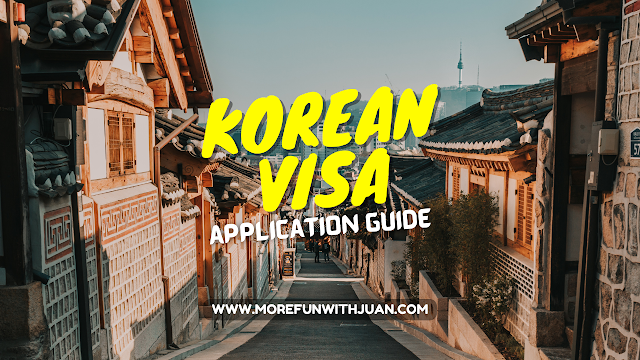
How to Get Approved for Korean Visa (Application Guide to Filipino Tourists)


All you need to know about Korean Electronic Travel Authorization or K-ETA.


What is the South Korea ETA?

The South Korea ETA is a mandatory travel document required by Korean immigration authorities for visitors whose nationality is exempted from a visa.


It is part of the new travel measures implemented in May 2021, and it must be completed within 24 hours before the visitors arrive in the country. Otherwise, access will be denied.

Once it is approved, you can travel to South Korea with this visa that has a duration of two years from the moment you receive it.


Loading...


Who can travel to South Korea with the ETA?

If your passport is from one of these nationalities, you can enter South Korea with the ETA.

Albania
Andorra
Antigua & Barbuda
Argentina
Australia
Austria
Bahamas
Bahrain
Barbados
Belgium
Bosnia and Herzegovina
Botswana
Brazil
Brunei Darussalam
Bulgaria
Canada
Chile
Colombia
Costa Rica
Croatia
Cyprus
Czech Republic
Denmark
Dominica
Dominican Republic
Ecuador
El Salvador
Estonia
Fiji
Finland
France
Germany
Greece
Grenada
Guatemala
Guyana
Haiti
Honduras
Hong Kong
Hungary


Iceland
Ireland
Israel
Italy
Jamaica
Japan
Kazakhstan
Kuwait
Latvia
Lesotho
Liechtenstein
Lithuania
Luxembourg
Macao
Malaysia
Malta
Marshall Islands
Mauritius
Mexico
Monaco
Montenegro
Morocco
Nauru
Netherlands
New Caledonia
New Zealand
Nicaragua
Norway
Oman
Palau
Panama
Paraguay
Peru
Poland
Portugal
Qatar
Romania
Russia
Saint Kitts and Nevis
Saint Lucia


Saint Vincent & Grenadines
San Marino
Saudi Arabia
Serbia
Seychelles
Singapore
Slovakia
Slovenia
South Africa
Spain
Suriname
Swaziland
Sweden
Switzerland
Taiwan
Thailand
Trinidad and Tobago
Tunisia
Turkey
Tuvalu
United Arab Emirates
United Kingdom
UK crown dependencies and overseas territories
United States
Uruguay
Vatican City
Venezuela


Who doesn’t need to apply for the South Korea ETA?

Starting from April 1, 2023, until December 31, 2024, visitors from 22 countries/regions will not require a South Korea ETA. This move was initiated by the South Korean government to celebrate "Visit Korea Year". The countries/regions included in this initiative are:

Australia, Austria, Belgium, Canada, Denmark, Finland, France, Germany, Hong Kong, Italy, Japan, Macao, Netherlands, New Zealand, Norway, Poland, Singapore, Spain, Sweden, Taiwan, UK, and US (including Guam).

However, please note that citizens of these countries/regions can still apply for a K-ETA online, which will allow them to skip filling out an arrival card upon arrival at the South Korean airport. To avoid any inconvenience and save time during your arrival, we recommend that you apply for a K-ETA online with iVisa.


ATTRACTIONS TO SEE IN MANILA 

Klook.com

How to get the South Korea ETA?

To apply for the K-ETA online with iVisa you just need to follow these simple steps below, and you’ll be done in no time:

STEP 1: Fill out our simplified application form with your personal information. Once you’re done, you can select how fast you want to receive your travel document. We have three different speed options.

STEP 2: Double-check that all the information in the application form is correct. We want to avoid any issues with your application. All the details need to match your supporting documents. Once you’re sure everything is correct, you can proceed to pay the visa fee with a credit/debit card or PayPal.

STEP 3: Upload all the supporting documents and submit your visa application form. Make sure that the scan is clear and has no smudges.

Visit the application page to get your South Korea ETA right away!


Present the ETA at the airport

Once you submit your form, our team will process your request, and they will take care of the procedure. If it is approved, you will receive a confirmation email together with your South Korea ETA. Make sure to print it and present it to immigration authorities when you arrive.


ACTIVITIES AND TOURS IN MANILA


Things to Remember about K-ETA

The K-ETA is a Multiple Entry travel document with a validity period of 2 years after arrival.

If you have more than one nationality, you should choose the nationality of the passport that you are going to use for the trip.

Your passport must be valid by the time of your trip to South Korea. It must be a regular passport.

If you get a new passport for any reason, you will need to re-apply for a new K-ETA.

Starting from April 1, 2023, until December 31, 2024, travelers from 22 countries/regions won’t need to apply for a South Korea ETA.

If you want to know if you are exempted from applying, you can check the Learn More section below, or use our handy iVisa Visa Checker.

It is highly recommended that you keep your K-ETA with you either as a soft copy (smartphone, tablet, etc.) or as a hard copy in case of any failure in the system.

What is K-ETA: Guide to Korea Electronic Travel Authorization (How to Get & When to Use)


Thinking of traveling to Japan soon? Here's your complete guide to acquiring a Japan Tourist Visa.


From the vibrant energy of Osaka and the traditional culture of Kyoto to the modern wonders of Tokyo, Japan draws tourists from all over the world. Citizens of 68 countries can travel to Japan without a visa.

The Philippines, however, is not on the visa-free list and Filipino passport holders require a Japanese tourist visa to enter the country.

If you are a foreigner planning to visit the Philippines, here's a complete guide for Philippine Visa.

Here is everything you need to know about obtaining a Japanese visa from the Philippines.


Loading...

What is a Japan Tourist Visa?

The Japan Tourist Visa is a document allowing foreigners to visit the country for tourism purposes. The short-term visa is used for visitors who intend to sightsee, visit friends, or attend conferences or take short courses.


Japan entry requirements for Filipino citizens

All Filipino nationals traveling to Japan will need to apply for a Japan visa as stated previously. You may also require vaccine certificates or a health declaration; however, these requirements tend to change, and we advise checking with your airline before your trip.


Types of Japan Visa and Visa Validity

There are two categories to the Japan Tourist Visa:

  • Single-entry tourist visa is normally valid for a single-entry stay of up to 30 days. The visa is valid for three months from the issuance of your Japan tourist visa. Filipino travelers planning to go to Japan after the three-month mark will be required to apply for a new visa.

  • Multiple-entry tourist visa is valid for 1 to 5 years and allows for stays of up to 90 days per visit.

If you are traveling for reasons other than tourism, you must apply for a different visa. Some Japan visa types you can apply for are:

  • Multiple Entry Visa for Business, and Cultural or Intellectual Figures

  • Multiple Entry Visa for other Short-Term Stays

  • A JFC visa for Filipino parents of Japanese-Filipino children traveling to Japan with their child/children.

Cheapest Flights and Airline Tickets Online Booking

How to obtain a Japan Tourist Visa as a Filipino Citizen?

Those applying through iVisa for a Japan Tourist Visa avoid visiting the embassy to submit your documents and will only need to do so if you require an interview at the Japanese Embassy or Consulate.

iVisa’s application process for this visa ensures you have professional assistance at every step to help you successfully secure your visa, as the visa application process differs from person to person and can be confusing.

We aim to make the process simple and stress-free. To apply with iVisa, you only need to follow four simple steps:

  • Fill out the iVisa visa application form with your general and travel details.
  • Check your information is correct and pay the visa application fee.
  • Upload any supporting documents needed.
  • Receive the confirmation email with further instructions for your application process and your interview, if needed and, the rest of the required documents.

Please note that the process to enter Japan does not end with your visa, and at the Japanese airport, the Immigration Officer will check your visa and the reasons for your visit.

After that, they will give you a Landing Permit, which will replace your Tourist Visa during your stay in Japan because your visa will become invalid. The landing permit is stamped into your passport, and you will be required to keep your passport with you during your trip.

     Apply for a Japan Visa     


Required Documents to apply for a Japan Visa as a Filipino Citizen

To apply for a Japan visa, iVisa requires certain documents. They are:

  • A valid passport that will be valid for at least six months.
  • Passport photo
  • Financial documents that prove you can support your trip for the duration of your stay. These can be bank deposits, statements, or other evidence of funds or assets.
  • Travel itinerary showing your planned tourism activities in Japan.
  • PSA birth certificate is required for minors and must be issued within the last year from PSA Main Office or Serbilis Outlet Center (Nationwide).
  • PSA marriage certificate is only necessary if you are married. It must have been issued within the last year from PSA Main Office or Serbilis Outlet Center (Nationwide). Travelers are no longer required to register their applications in the Entrants, Returns, and Follow-up Systems (ERFS), which was a system travelers used to obtain an ERFS certificate before applying for a visa to visit Japan. Without this certificate, travelers couldn’t prove they were eligible for a visa and, consequently, would not be able to enter Japan.

     Apply for a Japan Visa     


ATTRACTIONS TO SEE IN MANILA 

Klook.com

Cost and processing time of a Japan Tourist Visa as a Filipino Citizen

The application process for the Japan Tourist Visa can take months and be time-consuming. The Japanese embassy or consulate-general of Japan takes about a week to examine your application, but this can take longer if you need to submit extra documents.

The process could also take longer if there is a need to make inquiries to the Ministry of Foreign Affairs in Tokyo. iVisa understands and values how precious time is; thus, we work hard to ensure you will take much less time to get your visa when applying through us. Currently, we offer the following:

Standard processing which takes 30 days and costs USD $149.99

This includes the USD 21 government fee on visa applications and the iVisa processing fee.

     Apply for a Japan Visa     


ACTIVITIES AND TOURS IN MANILA


Travel Restrictions Entering Japan from the Philippines

Aside from visa requirements, there are some other travel requirements to consider before planning your Japan trip from the Philippines.

Luckily, the Philippines is in Japan's Blue category and no longer requires a pre-departure Covid-19 test if you have a valid vaccination certificate with all three doses of a Japan-approved Covid-19 vaccine.

Approved Covid-19 vaccines are:

  • COMIRNATY / Pfizer
  • Spikevax intramuscular Injection / Moderna
  • Vaxzevria intramuscular Injection / AstraZeneca
  • JCOVDEN intramuscular injection/Janssen (In the case of primary series, one dose is considered equivalent to two)
  • COVAXIN/Bharat Biotech
  • Nuvaxovid intramuscular Injection / Novavax
  • Covishield (manufactured by the Serum Institute of India) and COVOVAX are treated as identical to Vaxzevria intramuscular injection/AstraZeneca and Nuvaxovid intramuscular injection/Novavax

Unvaccinated travelers must obtain a negative Covid-19 test within 72 hours before their departure to Japan.

     Apply for a Japan Visa     


READ NEXT:

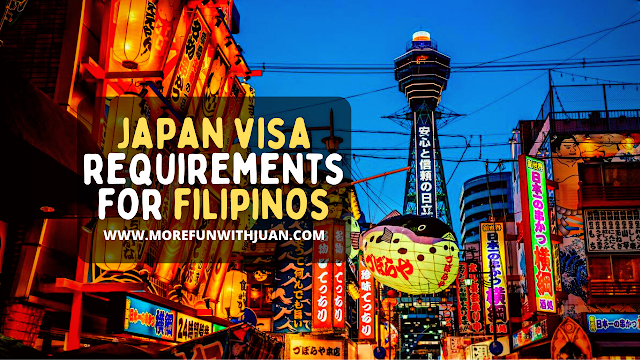
Japan Tourist Visa Guide For Filipinos (Philippine Passport Holders)


Is your next travel requires you visa application? Here some places you might consider visiting with easy visa application steps.


Unless you have a strong passport just like the US and other European passports, visa application is necessary.
Loading...


What is iVisa?

iVisa provides the simplest solution to process your travel visa. We enable travelers to process visas from a computer, smartphone or tablet.

Here are 5 countries you can get a visa with iVisa:


MALAYSIA

The Immigration Department of Malaysia has implemented a new platform that facilitates the entry of healthcare travelers seeking medical treatment in Malaysia’s private hospitals. Now, your readers will be able to get a Medical eVisa in only 1 hour by paying our super rush service fee of $85.00. Click here to learn more!


Cheapest Flights and Airline Tickets Online Booking

MOROCCO


Morocco has always attracted tourists, with its beaches, desert oases, towering mountains, and ancient cities. Now, for citizens of Congo, Guinea and Mali, getting a visa for Morocco is easier than ever. Your readers will get it in just 4 days with a price of $60.00. Click here to learn more!


NIGERIA

If your readers are used to travel for business, now they will be able to get a  Business eVisa on Arrival to enter Nigeria for a maximum stay of 30 days. How long will it take to be ready? Just 4 days by paying the visa cost and $100.00 of our super rush service fee. If you want to learn more about all Nigeria visas we offer Click here!


ATTRACTIONS TO SEE IN MANILA 

Klook.com

MONTSERRAT


Enjoy the tropical weather of the Caribbean in this British island. Montserrat has amazing landscapes to offer, and your readers must not miss it! Now then can get an e-Visa to this country in 1 business day by paying our super rush service fee of $100.00. Click here to learn more!


ACTIVITIES AND TOURS IN MANILA


RWANDA

Rwanda is becoming a popular destination for meetings and conventions. Now your readers can get a Conference e-Visa to enter this country in just 2 business days by paying our super rush service fee of $110.00 and a Government Fee of $100.00. Click here to learn more!


Why Choose iVisa?

SPEED AND SIMPLICITY
Easy, traveler-friendly application process. Usually 100% online and with clear instructions - much less complicated than dealing with foreign governments.

SECURITY
World-class data centers and state-of-the-art methods for securing user accounts and information. Your credit card info will never be exposed to any government websites.

MINIMUM CHANCE OF REJECTION
All documents are reviewed by a team of immigration experts before submission to respective governments. Our staff is well-trained and offers years of experience.

AWESOME CUSTOMER SUPPORT!
Our call centers are ready to help you 24/7. We want you to enjoy your travels and ditch the stress of getting a visa!


You May Also Like...


5 Countries to Visit on Your Next Travel Vacation