Showing posts sorted by relevance for query UNESCO. Sort by date Show all posts
Ifugao Map Feedback tradition of ifugao ifugao province ifugao tribe location ifugao culture ifugao religion ifugao tribe history

All you need to know about the Province of Ifugao, the Land Of The 8th Wonder of the World.


Ifugao is a landlocked province of the Philippines in the Cordillera Administrative Region in Luzon. Its capital is Lagawe and it borders Benguet to the west, Mountain Province to the north, Isabela to the east, and Nueva Vizcaya to the south.

Ifugao culture is found among the Ifugao people. They have their own language, culture, belief system as well as complete survival technique. They are most peaceful people and living around the nature, therefore in modern civilization they are considered as Animist.

Ifugao Province in the Philippines

The Rice Terraces of the Philippine Cordilleras and Banaue Rice Terraces are the main tourist attractions in the province. These terraces are believed to have been hand-carved into the mountains 2,000 years ago to plant rice. However, recent research by carbon dating suggests that they were built much later.

Banaue Rice Terraces

In 1995, the Rice Terraces of the Philippine Cordilleras were declared as a UNESCO World Heritage Site.

In 2008 and 2015, the Hudhud chants of the Ifugao and the Punnuk (Tugging rituals and games) were inscribed in the UNESCO Intangible Cultural Heritage Lists.


Loading...

IFUGAO IN DETAILS

The following are a few useful and interesting details about this province:
  • Location: 16°50′N 121°10′E
  • Year Founded: 1966
  • Capital: Lagawe
  • Area: 2,628.21 km2 (1,014.76 sq mi)
  • Population: 207,500
  • Density: 77/km2 (200/sq mi)
  • Division: Luzon
  • Region: CAR
  • Cities & Towns: 11 Towns (Municipalities)
  • Demonym(s): Igorot
  • Elevation: (Mount Pulag) 2,926 m (9,600 ft)
  • Time Zone: PST (UTC+8)
  • Zip Code: 3600–3610
  • Area code: +63 -(074)-XXX-XXXX
  • Electricity: Standard voltage is 220V. Plug commonly used is Type A but Types B and C are used as well.
  • Currency: Philippine Peso (PHP)
  • Exchange Rate: Approximately 1 USD = 50 PHP | click for exact exchange rate
  • Income Class: Fourth Class
  • Religion(s): The Ifugao people have an indigenous religion unique to their traditional culture but Roman Catholicism has grown in the province with approximately 60% of the population being converted by missionaries.
  • Language(s): Ifugao, Tuwali, Kalanguya, Ilocano, Tagalog, English
  • Known For: Banaue Rice Terraces
  • Major Industries: Agriculture (rice), Tourism
  • Climate: Tropical
  • Best Time to Visit: June to July, August to September, October to November
  • Clothing: Casual light clothing: shorts, t-shirt, sandals. Light jacket and pants at night, at higher elevations, and boating.
  • Airport(s): None
  • Seaport(s): None

Ifugao Provincial Capitol located in Lagawe, Ifugao in 2019

Before traveling, you might want to check the live weather forecast and updates to make your trip even easier and safer for you. You can also get the latest report for land traffic in Metro Manila and major parts of the Philippines.


WHAT TO PACK FOR IFUGAO

Here are some things you might consider bringing with you for your day tour / adventure:

Shopee is my go-to app for things I needed like the ones above. If you'd like discounts and vouchers, you may get the best offers here:

Etymology

Ifugao is named after the term i-pugo ("i" [from/people] and pugo [hill]), which translates to people of the hill.
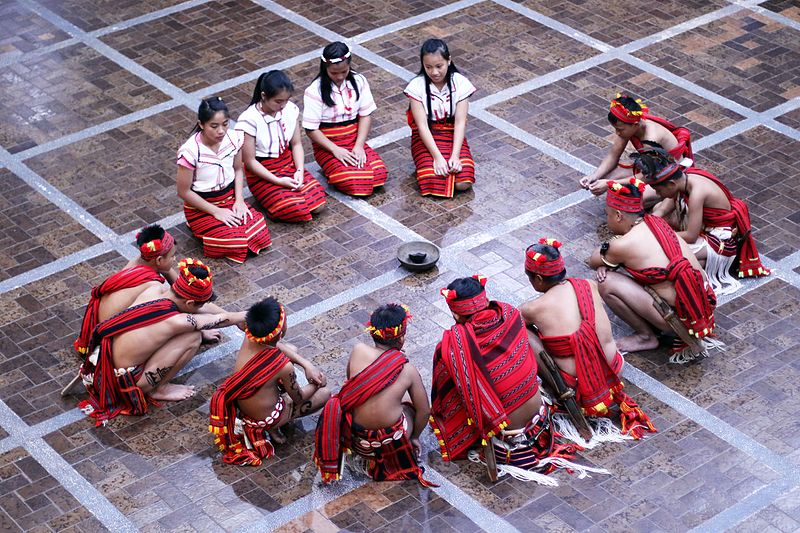
Ifugao youth in their traditional clothing

Alternatively, the province's name may have come from the word pugaw, which means "the cosmic earth", ipugaw then referring to "mortals".

Finally, the name may have been derived from ipugo, a type of grain in local mythology given to the people by Matungulan, the god of grains


History of Ifugao

During the Spanish regime
The Spanish had great difficulty in taking over Ifugao, like most of the Cordilleras due to the fierce belief of the Cordillera people of their rights since ancient times. The Ifugao battled colonizers for hundreds of years, even after the state was colonized and was transformed into a part of Nueva Vizcaya province of the Spanish-administered Philippines.

In 1891, the Spanish government established Quiangan as a comandancia-politico-militar for the Ifugao area. The Spanish occupation in the province ended with the outbreak of the Philippine Revolution.

American occupation
On August 18, 1908, Ifugao was separated from Nueva Vizcaya and, along with Amburayan, Apayao, Benguet, Bontoc, Kalinga and Lepanto, was annexed to the newly created Mountain Province established by the Philippine Commission with the enactment of Act No. 1876.

Post World War II
On June 18, 1966, Republic Act No. 4695 was enacted, and Ifugao was converted into a regular province when the huge Mountain Province was split into four (the other three being Benguet, Mountain Province, and Kalinga-Apayao).

Man & wife of former Ifugao headhunters between 1959 and 1961

Ifugao and Kalinga-Apayao were placed under the jurisdiction of the Cagayan Valley region. The capital was moved from Kiangan to Lagawe due to the harsh landscape of Kiangan which made it unsuitable for public transportation and as a capital.

Post-martial law era
On July 15, 1987, the Cordillera Administrative Region was established by then-President Corazon Aquino through Executive Order 220, and Ifugao was made one of its provinces.

Since the 20th century, the province has been central to the archaeological research of various international institutions, mostly from the United States and the Philippines. A major discovery was the archaeological site of Kiangan, which proved the oral tradition of the Ifugao that the first settlement in the province was in Kiangan.

A traditional Ifugao house with the Batad rice terraces in the background


UNESCO recognitions in Ifugao

UNESCO has inscribed two Ifugao elements in the Representative List of the Intangible Cultural Heritage of Humanity in 2008 and 2015, respectively. UNESCO has also inscribed one Ifugao site with five properties in the World Heritage Site in 1995.

Rice Terraces of the Philippine Cordilleras
In 1995, the Rice Terraces of the Philippine Cordilleras was inscribed in the UNESCO World Heritage List. UNESCO states:

"For 2,000 years, the high rice fields of the Ifugao have followed the contours of the mountains. The fruit of knowledge handed down from one generation to the next, and the expression of sacred traditions and a delicate social balance, they have helped to create a landscape of great beauty that expresses the harmony between humankind and the environment."

Batad Rice Terraces

The inscription has five sites: the Batad Rice Terraces, Bangaan Rice Terraces (both in Banaue), Mayoyao Rice Terraces (in Mayoyao), Hungduan Rice Terraces (in Hungduan) and Nagacadan Rice Terraces (in Kiangan), all in the Ifugao Province, the Philippines. The Banaue Rice Terraces are not included in the inscription, but may be included through an extension nomination to UNESCO, along with other rice terraces sites in other Philippine Cordillera provinces.

Hudhud Chants of the Ifugao
In 2001, the Hudhud ni Aliguyon (or Hudhud Chants of the Ifugao) became one of the first 11 Masterpieces of the Oral and Intangible Heritage of Humanity in 2001. The element was inscribed in the Representative List of the Intangible Cultural Heritage of Humanity in 2008. UNESCO describes the element as follows:

The Hudhud consists of narrative chants traditionally performed by the Ifugao community, which is well known for its rice terraces extending over the highlands of the northern island of the Philippine archipelago. It is practised during the rice sowing season, at harvest time and at funeral wakes and rituals. Thought to have originated before the seventh century, the Hudhud comprises more than 200 chants, each divided into 40 episodes. A complete recitation may last several days. Since the Ifugao’s culture is matrilineal, the wife generally takes the main part in the chants, and her brother occupies a higher position than her husband. The language of the stories abounds in figurative expressions and repetitions and employs metonymy, metaphor and onomatopoeia, rendering transcription very difficult. Thus, there are very few written expressions of this tradition. The chant tells about ancestral heroes, customary law, religious beliefs and traditional practices, and reflects the importance of rice cultivation. The narrators, mainly elderly women, hold a key position in the community, both as historians and preachers. The Hudhud epic is chanted alternately by the first narrator and a choir, employing a single melody for all the verses. The conversion of the Ifugao to Catholicism has weakened their traditional culture. Furthermore, the Hudhud is linked to the manual harvesting of rice, which is now mechanized. Although the rice terraces are listed as a World Heritage Site, the number of growers has been in constant decline.The few remaining narrators, who are already very old, need to be supported in their efforts to transmit their knowledge and to raise awareness among young people.

Tugging Games and Ritual: Punnuk of the Ifugao
The Punnuk of the Ifugao was inscribed in the Representative List of the Intangible Cultural Heritage of Humanity in 2015 under the multinational inscription of the Tugging Rituals and Games element.


Ifugao Geography

Ifugao covers a total area of 2,628.21 square kilometres (1,014.76 sq mi) occupying the southeastern section of the Cordillera Administrative Region in Luzon. The province is bordered by Benguet to the west, Mountain Province to the north, Isabela to the east, and Nueva Vizcaya to the south.

Political division of Ifugao

Situated within the Cordillera Central mountain range, Ifugao is characterized by rugged terrain, river valleys, and massive forests.

Ifugao comprises 11 municipalities, all encompassed by a lone legislative district.
  1. Aguinaldo
  2. Alfonso Lista
  3. Asipulo
  4. Banaue
  5. Hingyon
  6. Hungduan
  7. Kiangan
  8. Lagawe (Capital)
  9. Lamut
  10. Mayoyao
  11. Tinoc


Ethnicity

Based on the 2000 census survey, the Ifugao comprised 67.91% (109,659) of the total provincial population of 161,483. Other ethnic groups in the province included the Ilocanos at 13.73% (22,171), Kalahan at 8.64% (13,946), Ayangan at 6.15% (9,935), and Kankanaey at 0.64% (1,037).

The total number of Tinguian in the province of Ifugao is 2,609. (source: Philippine Statistics Authority)

Fabric weaved from Ifugao

Religion

The Ifugao people have an indigenous religion unique to their traditional culture, and highly significant to the preservation of their life ways and valued traditions. They believe in the existence of thousands of gods, which may enter specific sacred objects such as the bul-ul.

Roman Catholicism has a growing influence in the province with approximately 60% of the population being converted by missionaries. In most areas, especially at the east and south of the province, indigenous traditions have degraded due to the influx of Christianity.

In 2014, the Apostolic Vicariate of Bontoc-Lagawe recorded a 61.5% Roman Catholic adherence. The most significant religion other than Roman Catholicism is Protestantism that make up 20%-30% of the population and are mostly found in the central and south-western parts of this province. Other religions includes animism.


Wet rice cultivation and ritual feasting

Shifting to wet rice cultivation is one factor that intensified the social ranking that was already present among the Ifugao society. Those who adopted wet rice cultivation were able to consolidate political resources. “In Ifugao, the adoption of wet-rice agriculture is at the forefront in discussions regarding social ranking vis-à-vis prestige economy.” 

The Ifugao social status is based on their rice lands and ability to sponsor feasts. One reason being is that an individual needs to be skilled in mobilizing rice terraces, and because rice terraces require labor-intensive work.

Ifugao people in their traditional clothing


Ifugao Climate

The rainy season in Ifugao begins in July and runs through January. The weather remains cool from November to February.

June to July is a good time to see green rice terraces. August to September is the best time to see the rice terraces at its greenest. October to November is the best time to see the rice terraces in its golden color.

The most appropriate clothing in this province is casual light clothing: shorts, t-shirt, sandals. Light jacket and pants at night, at higher elevations, and boating.


ATTRACTIONS TO SEE IN MANILA 

Klook.com


TOURIST SPOTS TO SEE IN IFUGAO

The following is a list of points of interest relating to the Ifugao province: 
  • Bacung Spider Web Rice Terraces
  • Banaue Museum
  • Banaue Rice Terraces
  • Batad Rice Terraces
  • Bintakan Cave
  • Bogyah Hot Spring
  • Buyukan Falls
  • Chapah Waterfalls
  • Guihob Natural Pool
  • Hapao Rice Terraces
  • Hungduan Rice Terraces
  • Ifugao Museum
  • Lumauig Stone
  • Mayoyao Rice Terraces
  • Million Dollar Hill
  • Nah-toban Cave
  • Nungulunan Rice Terraces
  • O’ Phaw Mahencha Falls
  • Philippine War Memorial Shrine
  • Tam-an Village (Banaue)

Ifugao House on capitol grounds (Lagawe)

Bacung Spider Web Rice Terraces


ACTIVITIES AND TOURS IN MANILA


HOW TO GET TO IFUGAO

There are several ways to get to Ifugao, the most common being from Manila. You can fly to an alternate airport (Baguio, Cauayan or Tuguegarao), however the time will be approximately the same, but the cost will be significantly more.

Manila to Banaue by Bus

Traveling to Banaue is a long journey and may be a bit difficult due to the road conditions especially as you approach the mountainous regions.

Here are buses that have direct trip from Manila to Banaue (vice versa):

biyaheroes online booking biyaheroes 7 eleven byaheros login biyaheroes express is biyaheroes legit online bus booking philippines biyaheroes refund biyaheroes solid north

Coda Bus Manila to Banaue Schedules Find Tickets ]


Coda Bus Fares Find Tickets ]

  • Manila    - Banaue Express ₱667
  • Manila    - Banaue VIP         ₱780

ohayami online booking ohayami bus sampaloc manila to ifugao bus coda lines bus schedule ohayami bus baguio coda lines contact number coda lines online booking manila to lagawe

Ohayami Trans Manila to Banaue Schedules Find Tickets ]

  • Cubao - Banaue 9:00PM, 10:00PM
  • Banaue - Cubao 6:30PM, 7:00PM

Ohayami Trans Banaue to Lagawe Schedules Find Tickets ]

  • Baguio - Lagawe 9:00PM
  • Lagawe - Baguio 6:30PM

Ohayami Trans Banaue to Baguio Schedules Find Tickets ]

  • Baguio - Banaue 9:00PM
  • Banaue - Baguio 5:30PM

Ohayami Trans Bus Fares Find Tickets ]

  • Manila Banaue Regular AC ₱540
  • Manila Lagawe Regular AC ₱500
  • Baguio Banaue Regular AC ₱480

For detailed directions, fares and bus trip schedule, read my Manila to Ifugao guide.


FESTIVALS IN IFUGAO

The following is a list of festivals celebrated in Ifugao throughout the year:
  • Imbayah (April) – Banaue


WHERE TO STAY IN IFUGAO

Here are some of the hotels and resorts accommodation you book for your stay in Ifugao:
Hillside Inn and Restaurant


Compare Prices on Other Travel Apps

To make sure you are getting the best deals, always compare prices with other booking apps. Here are some of the top travel apps that I use frequently:


Frequently Asked Questions (FAQs) About Ifugao

The following are the most frequently asked questions about the Ifugao province.
  • Where in the Philippines is Ifugao located?
    Ifugao is located on northern central section of Luzon.

  • Is Ifugao a city or province?
    Ifugao is a province.

  • What is the Capital of Ifugao?
    The capital of Ifugao is Lagawe.

  • What is Ifugao famous or known for?
    Ifugao is famous or known for Banaue Rice Terraces


 Ifugao Map Feedback tradition of ifugao ifugao province ifugao tribe location ifugao culture ifugao religion ifugao tribe history

IFUGAO PROVINCE: Guide to its History, Map & Tourist Spots (How to Get There and Best Time to Visit)


The Philippines is a country that has 7,641 islands scattered throughout its territory. Just like a country in Southeast Asia, the Philippines also has a tropical climate because it is passed by the Equator. So it is not surprising that this country has interesting natural wealth.


A famous natural phenomenon in the Philippines is a typhoon called La Niña. Apart from Thailand, the Philippines is also a country that is a rice barn. The rice farming system in this country is quite advanced. There are still 2000-year-old rice farming sites that are still active today. While the sports that are so well-known among Filipinos are basketball and boxing. Do you guys know about this?

Loading...

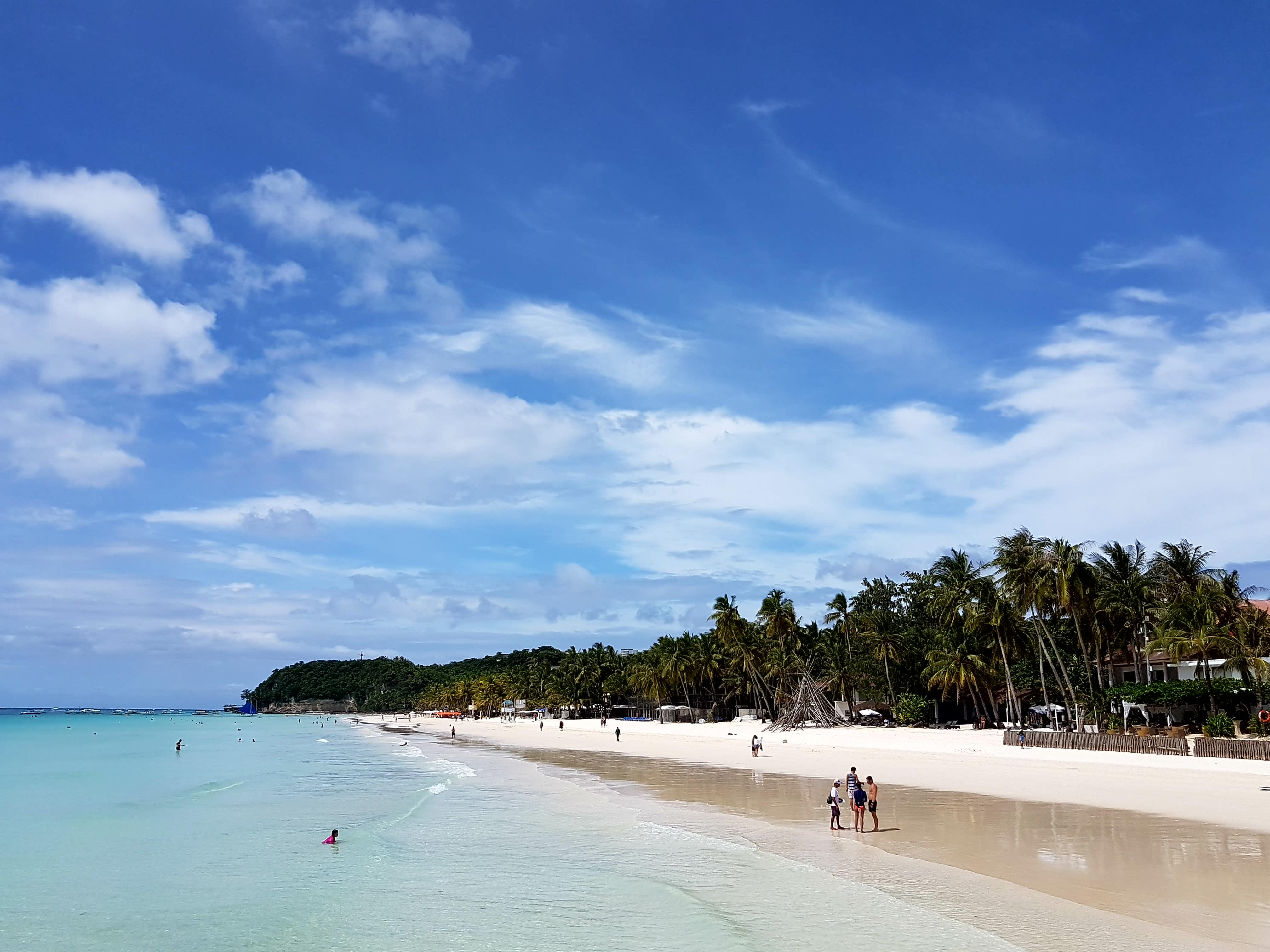
One of the islands that are famous for being a tourist destination is Boracay. From Manila to Boracay you can use transportation options such as planes or buses followed by ferries. The distance of Boracay from the capital city of the Philippines is about 441 km and can be reached in 1 hour by plane. As for buses or private vehicles, the time needed is at least 12 hours.

Boracay / Photo by Cojo Rosales on Unsplash

Besides Boracay, there are many other tourist destinations that you can try. Here are the recommendations:


What To Do in The Philippines?


1. Banaue Rice Terraces

As previously mentioned, the Philippines is one of the largest agricultural countries in Asia, especially rice. So, it is only natural that there are tourist attractions in the Philippines in the form of rice terraces.

Banaue Rice Terraces / Photo by AR on Unsplash

The name of the tourist spot is Banaue Rice Terraces. In addition to its very beautiful natural charm, Banaue Rice Terraces also get the title of the highest terracing in the world.

Not a few people call it a ladder to the sky. And please note that the Philippines can grow rice, with good results, even without fertilizer. The location of Banaue Rice Terraces is found in the mountainous province of Ifugao in the Philippines.


2. Chocolate Hills

You may wonder, is Chocolate Hills related to food or chocolate candy? The answers are completely unrelated. Chocolate Hills is a hilly region in the Philippines. This name is taken from the color of the hills which turn brown when the dry season arrives. This brown color appears from the dry grass that covers the hill.

Chocolate Hills / Photo by Robin P on Unsplash

The number of hills in the Chocolate Hills area is very large. The number even reaches 1,500 with hill heights varying from 30 to 120 meters. The Chocolate Hills are so unique that they have been designated as a UNESCO world heritage site.


3. Intramuros

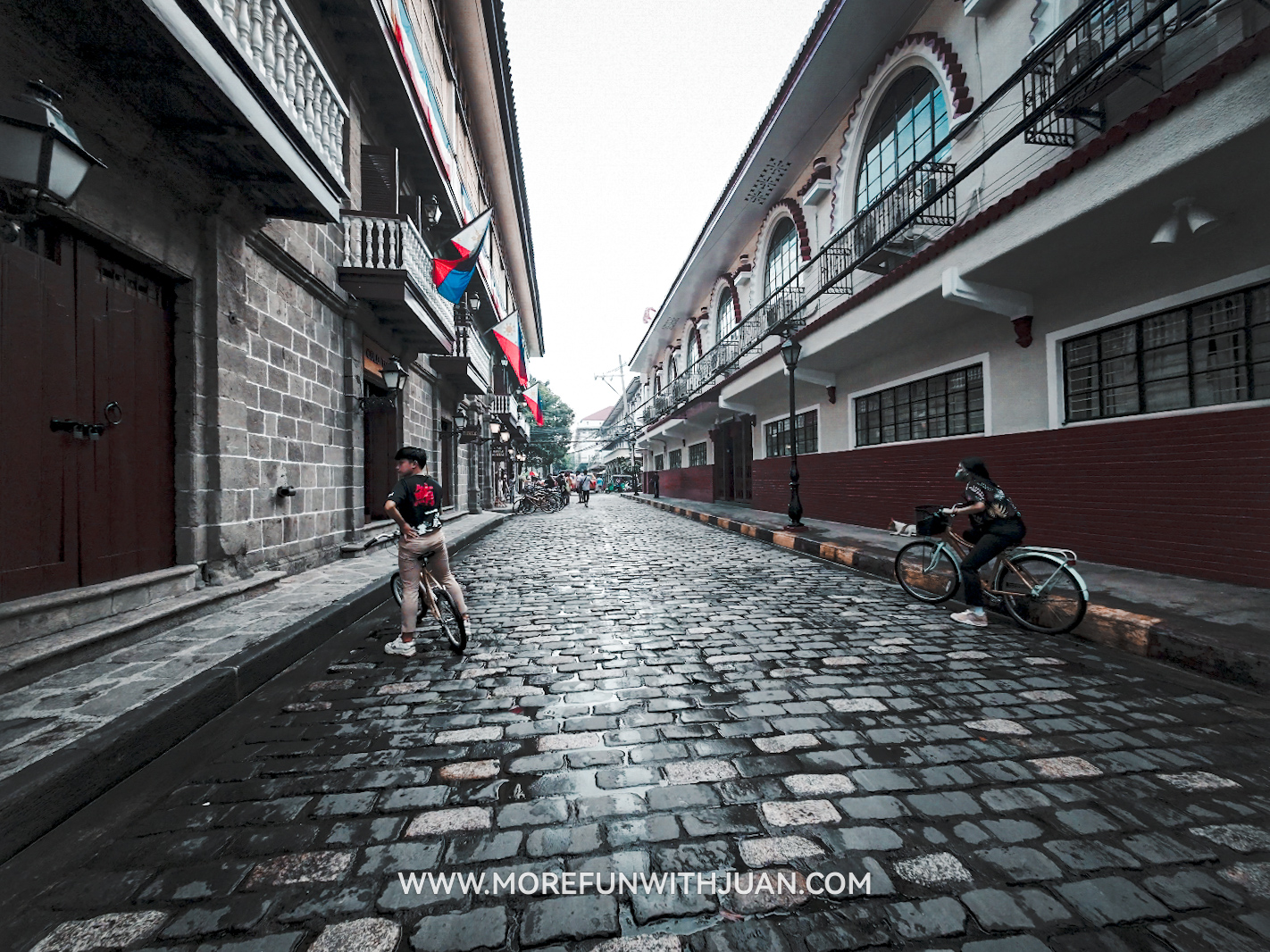
Located in the City of Manila, a recommendation for historical and instagrammable tourist attractions is Intramuros. This city is an old city, which is historic. You have to know that in terms of architecture, and the atmosphere conveys a Spanish flavor.

Cobblestone along Real St. in Intramuros / 2022 

The existence of Spanish architecture and atmosphere is not without reason. Intramuros is a fairly old city in Manila. This city is also a silent witness to the Spanish colonization of the Philippines for 300 years.

Intramuros is a fortress with an area of ​​4.5 kilometers, and in it, there are other historical buildings, such as The Church, which has the status of a UNESCO World Heritage Site, the old manila house, Prophet Jesus Painting, and Fort Santiago. Visitors can walk around the area or by using a rickshaw. The atmosphere is comfortable and calm.


4. Vigan

Another UNESCO world heritage site in the Philippines is the City of Vigan. This area is very historic in the Philippines because it is a silent witness to the Spanish colonization of the Philippines. This city is popular and a tourist destination for foreign tourists who come to visit.

calle crisologo history calle crisologo review calle crisologo line calle crisologo vigan calle crisologo history tagalog calle crisologo architecture saan matatagpuan ang calle crisologo what to see in calle crisologo
The famous Calle Crisologo in Vigan

The arrangement of the Vigan area is very detailed and neat. You will probably agree with this statement when you see the building's architecture, ornaments, road conditions, layout of the building, statues, and the philosophy of the layout of the church.

The old city of Vigan can present romantic and instagramable tours in the Philippines. Especially when it starts to dusk, the lights start to turn on, so visitors will feel the atmosphere, and the view is very beautiful.


Are you ready to have a wonderful trip in The Philippines? Go download Traveloka App now and plan your holiday trip in The Philippines!

4 Tourists Destination in The Philippines You Should Visit

vigan city, ilocos sur vigan before vigan city description facts about vigan city history of vigan city tagalog what is vigan city known for vigan heritage village

Welcome to the Philippine's World Heritage Site!

In May 2015, Vigan City was officially recognized as one of the New7Wonders Cities together with Beirut, Doha, Durban, Havana, Kuala Lumpur and La Paz.


According to the New 7 Wonders Foundation, the city is a World Heritage Site in that it is one of the few Hispanic towns left in the Philippines where its structures remained intact, and is well known for its cobblestone streets and a unique architecture that fuses Philippine and Oriental building designs and construction, with colonial European architecture.


ABOUT VIGAN CITY

Vigan is a city in the Philippines, on the west coast of Luzon island. It's known for its preserved Spanish colonial and Asian architecture.


Calle Crisologo dominates the Mestizo district, with its cobblestone streets, malecón, horse-drawn carriages and rustic mansions. Near the white baroque Vigan Cathedral are Plaza Salcedo, offering fountain light shows, and Plaza Burgos, known for its street-food stalls.
Barangays: 39 (see Barangays)
Weather: 27°C, Wind E at 5 km/h, 90% Humidity
ZIP code: 2700

WHAT TO PACK FOR VIGAN

Here are some things you might consider bringing with you for your day tour / adventure:

Shopee is my go-to app for things I needed like the ones above. If you'd like discounts and vouchers, you may get the best offers here:

HISTORY OF VIGAN

Vigan is (technically) an island, which used to be detached from the mainland by three rivers – the great Abra River, the Mestizo River and the Govantes River. It is unique among the Philippine towns because it is the country’s most extensive and only surviving historic city that dates back to the 16th century Spanish colonial period.

Vigan was an important coastal trading post in pre-colonial times. Long before the Spanish galleons, Chinese junks sailing from the South China Sea came to Isla de Bigan through the Mestizo River that surrounded the island.

On board were sea-faring merchants that came to barter exotic goods from Asian kingdoms in exchange for gold, beeswax and other mountain products brought down by natives from the Cordilleras.

Immigrants, mostly Chinese, settled in Vigan, intermarried with the natives and started the multi-cultural bloodline of the Bigueños.


WHY VISIT VIGAN?

Vigan City has been a dream local destination for me after I got to tour Intramuros in 2013. I love history and visiting historic places like Vigan gives me a joy and a mental satisfaction by me witnessing or going these places that has been mentioned on history books. 

So if you are like me (not so history junkie), visiting Vigan might be a good choice to learn and to unwind at the same time. 


HOW TO GET TO VIGAN CITY


Manila to Vigan by Land

Vigan is an 8-9 hour travel from Manila. Take a bus from Cubao or Pasay from Metro Manila. Partas and Florida Bus are two of your options. The trip will pass through NLEX (North Luzon Expy) and the roads going north via provinces of Bulacan, Pampanga, Tarlac, Pangasinan and La Union.

Manila to Vigan by Air

The nearest airport with regular commercial flight is Laoag in Ilocos NortePhilippine Airlines and Cebu Pacific offer flights daily routing Manila-Laoag and vv. Vigan is just a 2-hour bus ride from Laoag City.
For airfare and transportation, you may check PISO FARE promos or you can directly compare air, sea and land travel fare and prices here:

Clark to Vigan by Land

For those who are coming from Clark, you can go straight to Dau Bus Terminal via shuttle or jeepney. There are buses passing by the terminal from Manila going to Vigan.

Check bus ticket rates via 12go Asia:

Powered by 12Go Asia system


Before traveling, you might want to check the live weather forecast and updates to make your trip even easier and safer for you. You can also get the latest report for land traffic in Metro Manila and major parts of the Philippines.


WHAT TO SEE AND EXPECT IN VIGAN

Vigan City gives you a live experience and a "throwback" to the Spanish colonial era in the Philippines. It's truly a living museum of the old homes and community of our ancestors in the north.

Yes, Vigan is a city, yet it doesn't look hectic and chaotic like Metro Manila or any other big cities in the Philippines. Here, you will appreciate the ambiance and the vibe of the whole place. One reason why it is considered not only a UNESCO Heritage Site but one of the New7Wonders Cities.

estimated budget vigan trip  vigan tour package 2019  manila to vigan bus  vigan tour package for couple  how to go to vigan from manila by plane  baguio to vigan  vigan itinerary 2018  vigan tour itinerary 2 days
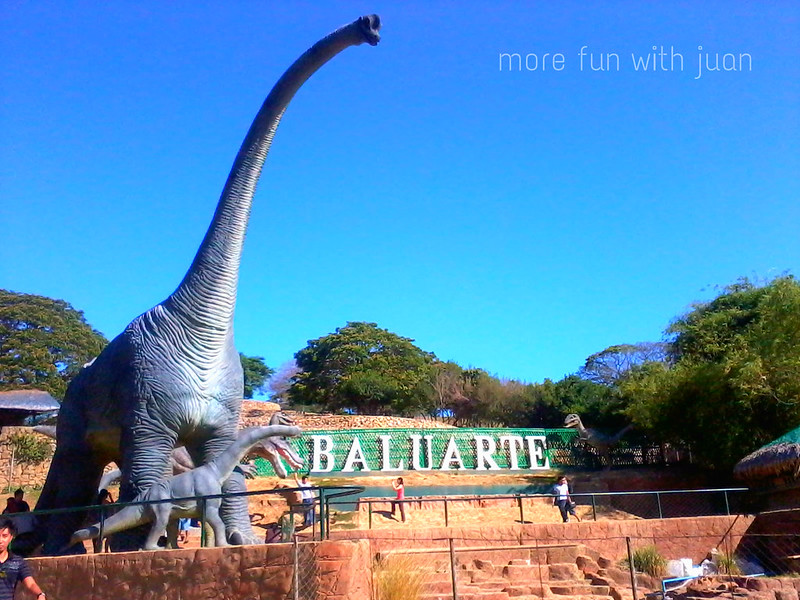
BALUARTE - Vigan Travel Guide

WHERE TO GO AND THINGS TO DO IN VIGAN

When I visited the city twice last 2012 and 2013 with friends, we did it as side-trip to Ilocos Norte. I didn't really get a chance to stay longer in here. But here are the things I've done and the places I have visited in Vigan:


Tour Around Calle Crisologo and Heritage Village

Calle Crisologo, if not the most popular, is the most visited and crowded area in Vigan. Here you will find the Heritage Village where you can see houses and buildings that were built centuries ago since the reign of Spanish in the Philippines.

Today, the street is a top tourist spot in Vigan and houses bunch of shops and hotels for guests and tourists.


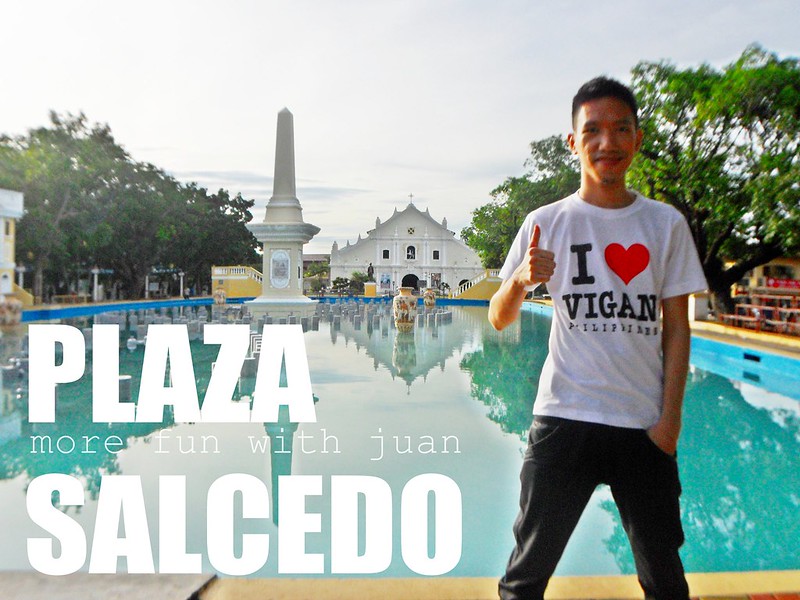
Visit Plaza Salcedo and watch the Dancing Fountain


Both of my visits to Vigan happened in the morning so I never got a chance to watch the dancing fountain personally. 

This historical plaza named after the Spanish conqueror, Juan de Salcedo, is one of the famous tourist attractions in Vigan. The plaza is facing Ilocos Sur's Capitol and behind it is the Vigan Cathedral.

plaza salcedo description plaza salcedo wikipedia plaza salcedo tagalog plaza salcedo, vigan history plaza salcedo entrance fee plaza salcedo activities calle crisologo plaza salcedo dancing fountain description
SALCEDO PLAZA - Vigan Travel Guide

At least, I got a selfie here! :)


Stop at Vigan Cathedral


It is known as Vigan Cathedral by many (just like me) but it is canonically known as the Metropolitan Cathedral of the Conversion of St. Paul the Apostle. It serves as the seat of the Roman Catholic Archdiocese of Nueva Segovia. It is part of the UNESCO World Heritage Site declaration for the Historic Town of Vigan in 1999.

Here you can stop and drop by. Get inside the church and appreciate its baroque style architecture (just like the one in Paoay).


Take a rest and feast at Plaza Burgos


Besides Plaza Salcedo, another plaza just across Burgos St. is the Plaza Burgos. It was named after one of Vigan's illustrious sons, Fr. Jose Burgos. Plaza Burgos is the venue for town fiesta's celebrations and family recreation.

Next to the plaza is the Empanadaan where you can have a taste of Vigan Empanada and other Ilocano dishes. Plaza Burgos is also surrounded by other restaurants and fast food like Jollibee, McDonald's, Chowking and more.


Interact with the animals at Baluarte


If you are into animals, you shouldn't miss this in Vigan! Baluarte Zoo is a zoological park in Vigan, Ilocos Sur, Philippines. It is owned by Chavit Singson.

The zoo and resort complex lies in hectares of land that stretches from the rolling plain towards the hills, where the former governor’s multi-storey house sits with a grand view of Vigan and the South China Sea.

Go visit Crisologo Museum and Museo Nueva Segovia


Vigan City also houses a few museums and ancestral homes that are open to public. Two of them are the Crisologo Museum and Museo Nueva Segovia which are walking distance to Heritage Village.

Here, you will deep-dive into Vigan's past and stories of the famous persons who became part of the city's history.


OTHER TOURIST SPOTS IN VIGAN

Besides the main attraction of the city, you can also some familiar places just nearby the heritage village such as Santa Maria Church and Bantay Bell Tower.


WHERE TO STAY IN VIGAN

Personally, I didn't get a chance to stay in Vigan even though I have already been here a couple times. However, I have noticed that there are plenty of options if you plan to spend a night in the city.

Here are the best and affordable hotels and accommodation in Vigan City:


hotel luna description hotel luna vigan description hotel luna vigan history hotel luna museum hotel luna vigan rooms hotel luna contact number hotel luna vigan price hotel luna vigan wikipedia
Hotel Luna

Or you can book and get discounts here:
Booking.com


WHERE TO EAT IN VIGAN

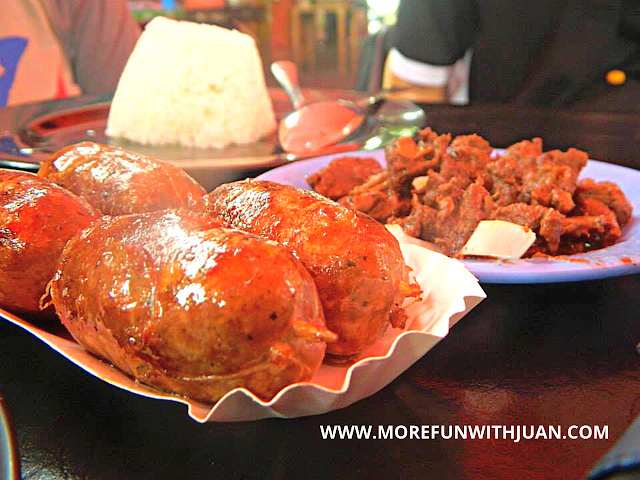
As mentioned earlier, there's a lot of food choices in Vigan. You can try a decent dine-in at Cafe Leona or try Vigan's streetfood where some food stalls standing near the plazas are selling their famous empanada, and others such as dinengdeng, poqui-poqui and Vigan longganisa. There are also some fast food around the area.
main product of ilocos norte where to eat in ilocos sur best product of ilocos norte casual dining restaurant in ilocos norte famous restaurant in ilocos norte best restaurant in ilocos norte products of ilocos sur ilocos norte delicacies pasalubong
Vigan Longganisa

BUDGET BREAKDOWN / EXPENSES


  • P500++ bus fare from Manila to Vigan.
  • P150/hour for a kalesa tour within the city.
  • Donations when you visit Crisologo Museum.

NOTE: Prices are subject for changes.


EVENTS AND FESTIVALS IN VIGAN


  • Longganisa Festival - The Bigueños celebrate Longganisa Festival every January 22 in accordance to the cityhood of Vigan. With a colorful street dancing competition along the Calle Crisologo, this festival features one of city's products, the very well-known Vigan Longganisa. On the 25th, Vigan celebrates its town fiesta in honor to its patron saint, Saint Paul.


BEFORE YOU GO TO VIGAN

Here are the important things you should consider before going to Vigan:

  • Best time to visit is during dry season from December to May.
  • There are ATMs in the town and credit cards are accepted in major establishments.
  • Cellular signals are available for major networks.
  • Souvenirs are sold in the town.
  • Bring your own chargers/powerbanks for your gadgets.
  • Go north and explore Ilocos Norte.


Frequently Asked Questions (FAQs) About Vigan


  • What is Vigan known for?
    Vigan is famous for its well-preserved Spanish Colonial town, historical Vigan tourist spots, and delicious food and delicacies. Because of its charm, it has been inscribed as one of the UNESCO World Heritage Sites.

  • Why do tourists visit Vigan?
    Firstly, Vigan is the best-preserved planned Spanish colonial city in Asia and is a part of the UNESCO World Heritage List; secondly, the cobblestone streets of well-restored Calle Crisologo are traffic free which is such a relief when traveling in Asia so you can focus only on sightseeing.

  • Why is Vigan called Vigan?
    Bigaa being Alcasia Macroniza, a giant Taro plant belonging to the Gabi family which used to thrive at the bank of the Mestizo River. From the name of the plant – Bigaa, whence Vigan derived its name.

  • Who is famous architecture in Vigan?
    In 1572 the Spanish conquistador Juan Salcedo arrived here and renamed the city to Villa Fernandina de Vigan. Vigan remained under Spanish rule for more than 300 years. Hence the beautiful historic architecture that dots the colonial town of Vigan.

  • What is the old Spanish name of Vigan?
    In 1572, Conquistador Juan de Salcedo attacked and secured the town, giving it the name Vigan after a native plant. He expanded the name to Villa Fernandina in honor of the Philip II's deceased son.


WHERE TO GO IN ILOCOS?

Batac   Burgos   Laoag   Pagudpud   Paoay   Vigan


REFERENCES


SEE ALSO

TRAVELING VIGAN CITY?

IMPORTANT NOTE: The rates, contact details and other information indicated in this post are accurate from the time of writing but may change without IMFWJ's notice. Should you know the updated information, please let us know by leaving a message in the comment box below.

 calle crisologo calle crisologo, vigan tourist spot ilocos tourist spot la union tourist spot vigan tourist spot tagalog vigan tourist spots itinerary history of vigan city vigan map tourist spots

VIGAN CITY: Guide to Heritage Village and other Tourist Spots in Ilocos Sur