Showing posts sorted by relevance for query cash assistance program. Sort by date Show all posts
dswd programs and services pdf dswd programs for the poor dswd programs for youth list of government programs in the philippines 2022 www.dswd.gov.ph sap list list of social welfare programs in the philippines dswd cash assistance list 10 social welfare programs in the philippines

Here is a full list of the programs and services offered by the Department of Social Welfare and Development.


Under the Philippine national government are several state-run agencies that are tasked to deliver different services to the Filipino people. One of these government agencies is the Department of Social Welfare and Development. DSWD is the primary government agency responsible for the promotion and development of social welfare in the Philippines.


Loading...

More commonly called DSWD, this government agency is usually one of the turn to of many Filipinos in times of calamities and financial challenges that hit the nation or a huge part of the populace.

DSWD provides a wide range of programs and services to the most vulnerable and marginalized sectors of society, including the poor, the elderly, the disabled, and children.


There are several DSWD programs and services that the public may avail.


HELPFUL ITEMS YOU CAN USE TO SAVE MONEY!

Here's my list of useful items for you to save or earn money wisely:

Shopee is my go-to app for things I needed like the ones above. If you'd like discounts and vouchers, you may get the best offers here:

Here is an overview of some of the DSWD's key programs:

Technical Assistance and Resource Augmentation (TIARA) Program: The TIARA program provides technical and financial assistance to local government units (LGUs) to help them improve their social welfare and development programs and services.

Pantawid Pamilyang Pilipino Program (4Ps): The 4Ps is a conditional cash transfer program that provides financial assistance to poor families in exchange for their compliance with certain conditions, such as sending their children to school and taking regular health checkups.

Supplementary Feeding Program (SFP): The SFP provides nutritious meals to malnourished children and pregnant and lactating women.

Bangsamoro Umpungan sa Nutrisyon (BangUN) Project: The BangUN project is a community-based nutrition program that aims to improve the nutritional status of children and women in the Bangsamoro Autonomous Region in Muslim Mindanao (BARMM).

Adoption and Foster Care: The DSWD provides adoption and foster care services to children without parental care.

Recovery and Reintegration Program for Trafficked Persons (RRPTP): The RRPTP provides support to victims of trafficking, including medical care, counseling, and livelihood assistance.

Social Pension(SocPen) for Indigent Senior Citizens: The SocPen program provides a monthly pension to indigent senior citizens.

Centenarians Act Implementation: The DSWD provides a one-time financial assistance to centenarians (Filipinos who are 100 years old and above).

Programs and Services for Persons with Disabilities: The DSWD provides a variety of programs and services to persons with disabilities, including assistive devices, financial assistance, and livelihood training.

Development of Social Technologies: The DSWD develops and promotes social technologies, which are innovative approaches to solving social problems.

Listahan (National Household Targeting System for Poverty Reduction): Listahan is a database of poor and vulnerable households that is used by the DSWD and other government agencies to target their social welfare and development programs and services.

Lingap at Gabay Para sa May Sakit (LinGaP): The LinGaP program provides financial assistance to indigent patients who are hospitalized or undergoing dialysis.

Disaster Risk Reduction and Management Program: The DSWD's Disaster Risk Reduction and Management Program aims to reduce the vulnerability of communities to disasters and to strengthen their capacity to respond to and recover from disasters.

KALAHI-CIDSS-National Community-Driven Development Program (KC-NCDDP): The KC-NCDDP is a community-driven development program that provides grants to communities to support their own development projects.

Sustainable Livelihood Program (SLP): The SLP provides livelihood assistance to poor families to help them improve their income and quality of life.

Assistance to Individuals with Crisis Situations (AICS): The AICS program provides financial assistance to individuals and families who are affected by crisis situations, such as natural disasters, fires, and accidents.

Comprehensive Program for Street Children, Street Families and Indigenous People: This program provides a variety of services to street children, street families, and indigenous people, including education, healthcare, and livelihood training.

Residential and Non-Residential Care Program: The Residential and Non-Residential Care Program provides residential and non-residential care services to children, persons with disabilities, and other vulnerable individuals.

Yakap Bayan After Care Program: The Yakap Bayan After Care Program provides aftercare services to former rebels and their families.

Payapa at Masaganang Pamayanan (PAMANA) Program: The PAMANA program provides livelihood assistance and other support services to conflict-affected communities.

Unconditional Cash Transfer (UCT) Program: The UCT program provides unconditional cash transfers to poor households.

International Social Welfare Services for Filipino Nationals (ISWSFN): The ISWSFN program provides social welfare services to Filipino nationals living abroad.

Targeted Cash Transfer (TCT) Program: The TCT program provides targeted cash transfers to poor households that are affected by specific shocks, such as economic crises or natural disasters.

DSWD Educational Assistance Program: The DSWD Educational Assistance Program provides financial assistance to poor students to help them pursue their education.


DSWD Programs and Services

Here's a complete list of all DSWD Programs and Services


The Department of Social Welfare and Development (DSWD) has several offers under these programs, projects, and services. Most often, cash aids are distributed to help a specific group of people.

Acknowledgement: This article is sponsored by Usapang Hanapbuhay.

Bisitahin ang Usapang Hanapbuhay Facebook Group para sa iba pang tips at mga diskarte sa pera!


Like Usapang Hanapbuhay Facebook page for other updates!
dswd programs and services pdf dswd programs for the poor dswd programs for youth list of government programs in the philippines 2022 www.dswd.gov.ph sap list list of social welfare programs in the philippines dswd cash assistance list 10 social welfare programs in the philippines

List of DSWD Programs and Services You May Avail


The Targeted Cash Transfer (TCT) Program, spearheaded by the Department of Social Welfare and Development (DSWD) in the Philippines, is a transformative initiative aimed at providing direct financial assistance to marginalized and vulnerable sectors of the population. This program reflects the government's commitment to addressing poverty and enhancing the well-being of individuals and families facing economic challenges.


Objective of the TCT Program

The primary objective of the TCT Program is to alleviate poverty by delivering targeted financial aid to identified beneficiaries. By directly providing cash assistance, the program aims to empower individuals and families, enabling them to meet their basic needs and participate more actively in economic and social activities.


Loading...

Key Features of the TCT Program


1. Targeted Approach

The TCT Program adopts a targeted approach to identify beneficiaries. Through a meticulous selection process, the DSWD identifies and prioritizes households and individuals who are most in need of financial assistance.


2. Vulnerable Sectors

The program places a special focus on vulnerable sectors, including senior citizens, persons with disabilities (PWDs), pregnant and lactating women, and indigenous peoples. By tailoring assistance to the specific needs of these groups, the TCT Program ensures a more inclusive and impactful intervention.


3. Conditionalities and Compliance

In some cases, the TCT Program may include conditionalities that recipients are required to meet. These conditions could involve regular health check-ups, attendance in parenting sessions, or children's school attendance. Compliance with these conditions enhances the overall effectiveness of the program by promoting holistic well-being and development.


4. Financial Inclusion

The TCT Program contributes to financial inclusion by providing direct cash assistance. This empowers beneficiaries to make decisions regarding their financial resources, fostering a sense of independence and self-determination.


Implementation and Impact

The implementation of the TCT Program involves a collaborative effort between the DSWD and local government units. Through a coordinated approach, the program aims to reach a wider spectrum of communities and ensure that assistance is delivered where it is needed the most.

The impact of the TCT Program extends beyond immediate financial relief. By targeting vulnerable sectors and incorporating conditionalities, the program aims to break the cycle of poverty, improve overall well-being, and create sustainable positive changes in the lives of beneficiaries.


ATTRACTIONS TO SEE IN MANILA 

Klook.com

The Targeted Cash Transfer (TCT) Program by the Department of Social Welfare and Development is a testament to the government's dedication to addressing poverty at its roots. Through targeted financial assistance, the program empowers vulnerable sectors, promotes inclusivity, and contributes to the overall development and well-being of communities across the Philippines. As the program evolves and expands, it continues to play a vital role in fostering a more equitable and prosperous society.


What is TCT Program: Targeted Cash Transfer by DSWD


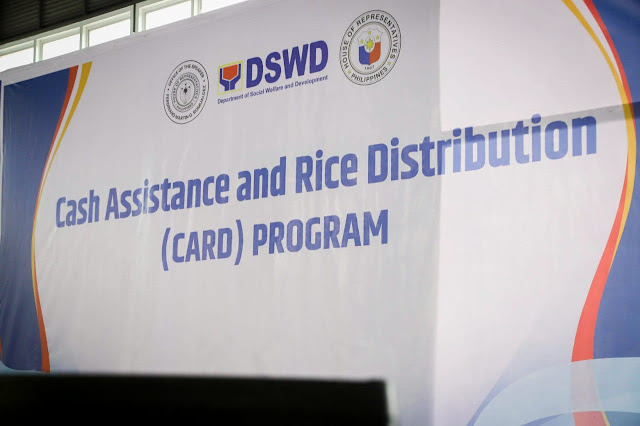
In an effort to address the needs of vulnerable residents in Metro Manila, the Cash Assistance and Rice Distribution (CARD) program has been introduced across the 33 legislative districts.


This initiative, a collaboration between the Congress and the Department of Social Welfare and Development (DSWD) led by Secretary Rex Gatchalian, aims to provide timely assistance to those in need.

READ: Cash Assistance and Rice Distribution Program Kicks Off in NCR and Laguna

Loading...

What is CARD?

The Cash Assistance and Rice Distribution program or CARD is a comprehensive initiative designed to offer both financial support and essential food supplies to disadvantaged communities. It is a joint endeavor between the House of Representatives and DSWD, with a focus on uplifting the lives of the less privileged.


Benefits of the Program

The program extends a helping hand to 10,000 poor and vulnerable residents in each of Metro Manila's legislative districts. Beneficiaries include a diverse range of individuals, encompassing senior citizens, persons with disabilities (PWDs), solo parents, and indigenous peoples (IPs). Each recipient is entitled to a minimum assistance of P2,000.

The assistance is distributed in two components: P950 is allocated for a 25-kilogram sack of rice at P38 per kilo, ensuring that families have access to a staple food item. The remaining amount is provided in cash, offering flexibility to address specific needs and priorities.


Eligibility Criteria

The DSWD plays a crucial role in identifying eligible beneficiaries for the CARD Program. The selection process is thorough and considers the prevailing circumstances in each area. This targeted approach ensures that assistance reaches those who need it the most, contributing to effective poverty alleviation.


Distribution Schedule

To facilitate the efficient distribution of assistance, the CARD Program is structured into four payouts. This organized approach ensures that resources are distributed systematically, minimizing delays and reaching the intended recipients in a timely manner. The schedule is coordinated to align with the identified needs and circumstances of the communities.


ATTRACTIONS TO SEE IN MANILA 

Klook.com

In conclusion, the CARD Program stands as a testament to the commitment of the government to address the immediate needs of vulnerable residents in Metro Manila. By providing both cash assistance and essential food supplies, this initiative aims to empower communities and pave the way for a more resilient and self-sufficient future.

Through collaboration and targeted interventions, the CARD Program reflects a dedication to fostering inclusive growth and uplifting the lives of those facing economic hardships.


What is CARD Program: Cash Assistance and Rice and Distribution (Beneficiaries and the Benefits)


In the pursuit of inclusive and poverty-alleviating initiatives, the Department of Social Welfare and Development (DSWD) in the Philippines has implemented the Unconditional Cash Transfer (UCT) Program.


This transformative program stands as a beacon of financial support, aiming to uplift the lives of the most vulnerable sectors of society by providing unconditional cash assistance.

RELATED: Paano Mapabilang sa Pantawid Pamilyang Pilipino Program (4Ps) ng DSWD?

Loading...

Objective of UCT

The primary objective of the UCT Program is to provide financial assistance to low-income households and individuals, particularly those who may be adversely affected by economic reforms. By offering unconditional cash transfers, the program aims to enhance the well-being and resilience of recipients, enabling them to address immediate needs and invest in a better future.


Key Components of UCT


1. Financial Assistance
The core feature of UCT is the provision of financial assistance directly to eligible beneficiaries. This cash transfer is designed to help recipients cope with rising prices of goods and services, ensuring that they have the means to meet their basic needs.

2. Inclusive Targeting
UCT employs inclusive targeting mechanisms to identify eligible recipients. This approach aims to encompass a broad range of low-income households, ensuring that those who need assistance the most are included in the program.

3. Regular Payouts
The financial assistance is typically provided through regular payouts, allowing beneficiaries to receive support at intervals that best suit their needs. This predictable and sustained assistance contributes to the stability and security of recipient households.

4. Collaboration with Local Government Units
UCT involves collaboration with local government units to facilitate efficient implementation. Through coordination with local authorities, the program ensures that assistance reaches eligible households in a timely and organized manner.


Eligibility and Disbursement

Eligibility for the UCT Program is often determined based on specific criteria related to income levels and economic vulnerability. The disbursement process is typically facilitated by the DSWD and local government units, ensuring that the financial assistance reaches those who meet the eligibility criteria.


Impact and Empowerment

The UCT Program has a profound impact on the lives of recipients. By providing unconditional cash transfers, the program empowers individuals and households to make decisions that best suit their unique circumstances. This financial flexibility contributes to improved household welfare, increased access to education and healthcare, and enhanced overall economic resilience.


Challenges and Continuous Improvement

While UCT has been instrumental in addressing economic vulnerabilities, challenges such as budget constraints and evolving economic conditions persist. Continuous efforts are essential to refine and expand the program, ensuring its effectiveness in the face of changing circumstances and emerging needs.


ATTRACTIONS TO SEE IN MANILA 

Klook.com

Conclusion

The DSWD Unconditional Cash Transfer (UCT) Program stands as a testament to the government's commitment to addressing poverty and promoting financial inclusion. By providing direct financial assistance to vulnerable households, the program fosters empowerment, resilience, and a pathway toward a more sustainable and equitable future. As UCT evolves, it remains a critical component of the broader effort to build a society that leaves no one behind in the journey towards progress and prosperity.


Other Programs to Avail Under DSWD

What is UCT Program: Unconditional Cash Transfer by DSWD


Here's what you need to know about DSWD's Ayuda para sa Kapos ang Kita Program (AKAP).


What is AKAP?

The Ayuda para sa Kapos ang Kita Program (AKAP) is a government initiative aimed at assisting those in our communities who are struggling against the rising prices of goods, ensuring they can meet their basic needs through Department of Social Welfare and Development (DSWD). AKAP is specifically designed for minimum wage earners who are significantly affected by increasing inflation.


Who are the Beneficiaries of AKAP?

AKAP aims to provide various types of assistance to minimum wage earners. It is intended for citizens who do not have access to regular assistance because they are not considered among the poorest population. Citizens already receiving regular assistance from DSWD, such as 4Ps household beneficiaries and Indigent Senior Citizens, are not eligible for AKAP.


Loading...

What Assistance is Available Under AKAP?

AKAP offers several forms of assistance, including:

  • Medical assistance
  • Funeral assistance
  • Food assistance
  • Cash relief


Medical Assistance

Medical assistance is provided as cash or a guarantee letter (GL) for the following medical needs:

  • Hospitalization expenses and/or professional fees (subject to the approval of the concerned medical officer)
  • Medicines
  • Medical treatment
  • Medical procedures
  • Implants
  • Postpartum complications


Funeral Assistance

Funeral assistance is provided as cash or a guarantee letter (GL) for expenses related to:

  • Transporting the deceased to their home or hometown
  • Interment
  • Cremation
  • Burial site


Cash Relief

Cash relief is financial assistance to help meet essential needs significantly affected by inflation, such as electricity and water bills or rent.


Food Assistance

Food assistance is financial help to ensure the beneficiary can meet their nutritional needs and other dietary requirements.


What are the Documentary Requirements to Qualify for AKAP?

If you are an employee, you will need a government ID and at least one of the following documents to prove you are a minimum wage earner:

  • Certificate of Employment (COE) with compensation and full name and signature of the issuing officer

  • Income Tax Return (ITR) BIR Form 2316/Audited Financial Statement with the full name and signature of the issuing officer

  • Certificate of Tax Exemption

  • Certification from Employer certified by the Local Social Welfare and Development Office (LSWDO)

If you are a sari-sari store owner, you will need a government ID and a Small Business Certification from the barangay. All documents must be issued within the last three months.


ATTRACTIONS TO SEE IN MANILA 

Klook.com

What are the Documentary Requirements for Cash Relief Assistance?

For cash relief assistance, the following documents are required:

  • Valid ID
  • Document proving that the beneficiary is a minimum wage earner
  • Document proving that the beneficiary is affected by inflation, such as unemployment, layoff, displacement from work, or insufficient salary to meet basic needs
  • All documents must be issued within the last three months.

By providing this essential support, AKAP aims to alleviate the burden on minimum wage earners, ensuring they have the means to sustain themselves and their families despite the economic challenges posed by inflation.


What is DSWD's AKAP: Ayuda para sa Kapos ang Kita Program (Beneficiaries and the Benefits)


The Department of Social Welfare and Development (DSWD) in the Philippines plays a pivotal role in creating a more inclusive and supportive society.


Among its multifaceted initiatives is the Technical Assistance and Resource Augmentation (TARA) Program, a dynamic effort designed to provide specialized support and resources to various sectors. Let's delve into the key aspects of the TARA Program and its impact on community development.

Loading...

Objectives of the TARA Program

The TARA Program is strategically crafted to achieve several key objectives, including:

  • Technical Assistance: Offering specialized expertise and guidance to communities, local government units (LGUs), and partner organizations to enhance their capacities in delivering social services.

  • Resource Augmentation: Allocating additional resources, whether financial, material, or human, to support initiatives that address pressing social concerns and promote community development.

  • Capacity Building: Empowering individuals and organizations by imparting knowledge, skills, and resources to enable them to independently address community needs and challenges.


Key Components of the TARA Program


1. Capacity Building Workshops and Training

The TARA Program conducts targeted workshops and training sessions, equipping community leaders, social workers, and stakeholders with the necessary skills to address local challenges effectively.


2. Technical Assistance Consultations

Tailored technical assistance is provided to LGUs and partner organizations to enhance their capabilities in implementing social welfare and development programs. This includes guidance on program design, monitoring, and evaluation.


3. Resource Mobilization

The program facilitates the mobilization of additional resources, both financial and material, to supplement existing initiatives. This resource augmentation is crucial for sustaining and expanding the impact of community programs.


4. Networking and Collaboration

TARA fosters collaboration between DSWD, LGUs, non-governmental organizations (NGOs), and other stakeholders. By building networks and partnerships, the program enhances the collective ability to address social issues comprehensively.


Eligibility and Application Process

Local government units, community-based organizations, and NGOs are eligible to participate in the TARA Program. The application process typically involves submitting proposals outlining the specific areas where technical assistance or resource augmentation is needed. The selection process considers the potential impact and sustainability of the proposed initiatives.


Impact and Sustainability

The TARA Program's impact is not only immediate but also sustainable. By building the capacities of communities and organizations, the program contributes to the long-term resilience and self-sufficiency of these entities. The collaborative approach ensures that interventions are contextualized, addressing the unique challenges of each community.


ATTRACTIONS TO SEE IN MANILA

Klook.com

The DSWD's Technical Assistance and Resource Augmentation (TARA) Program exemplify the government's commitment to empowering communities and fostering sustainable development. By providing targeted support, sharing expertise, and augmenting resources, TARA becomes a catalyst for positive change at the grassroots level. As the program evolves, it continues to bridge gaps, enhance capacities, and create a more resilient and empowered society.


Other Programs to Avail Under DSWD

What is TARA Program: Technical Assistance and Resource Augmentation of DSWD

dswd educational assistance online application 2022 dswd link for educational assistance 2022 dswd online registration educational assistance google form dswd educational assistance online registration educational assistance dswd 2022 dswd educational assistance online registration link dswd educational assistance online registration qr code dswd educational assistance online registration calabarzon

Thousands of parents and students across the nation want to be beneficiaries of the DSWD Educational Assistance Program, it is a six-week program that aims to help indigent elementary, high school, and college students financially. It started last August 20, 2022 and is set for five (5) more Saturdays including today.


Truth be told that the program is a huge help to a lot of students considering that many Filipino families are below the poverty level. It is apart from the fact that a lot of people have yet to financially recover from the impacts of the pandemic.

Loading...

Even the DSWD was not able to estimate the number of people that want to be beneficiaries of the program for students. They collaborated with the Department of Interior and Local Government (DILG) to ensure a smooth releasing of the cash aid.


HELPFUL ITEMS YOU CAN USE TO SAVE MONEY!

Here's my list of useful items for you to save or earn money wisely:

Shopee is my go-to app for things I needed like the ones above. If you'd like discounts and vouchers, you may get the best offers here:

Most regions have already set up platforms for DSWD Online Registration for the educational assistance for indigent students. The program targets to help 375,000 to 400,000 indigent students.


According to the government agency, under the DSWD Cash Assistance for students, elementary students may receive P1,000 while junior high school students may get P2,000. The senior high school student beneficiaries may get P3,000 while college students may get P4,000.


There are more than 200,000 payout centers nationwide for the releasing of the DSWD Educational Cash Assistance offer. The government agency has released an initial list of the payout centers. Here is the list based on DSWD:


According to DSWD, there will be an on-site evaluation of the student applications thus a confirmation message alone is not a guarantee to be able to claim the cash assistance. The government agency wants to make sure that the most qualified students get the aid.

Acknowledgement: This article is sponsored by Usapang Hanapbuhay.

Bisitahin ang Usapang Hanapbuhay Facebook Group para sa iba pang tips at mga diskarte sa pera!


Like Usapang Hanapbuhay Facebook page for other updates!
dswd educational assistance online application 2022 dswd link for educational assistance 2022 dswd online registration educational assistance google form dswd educational assistance online registration educational assistance dswd 2022 dswd educational assistance online registration link dswd educational assistance online registration qr code dswd educational assistance online registration calabarzon

List of Payout Centers Where to Claim DSWD Educational Cash Assistance


The Tara, Basa! Program is a groundbreaking initiative aimed at enhancing the reading comprehension skills of Filipino students, particularly those in Grade One who are struggling with literacy.

Spearheaded by the Department of Social Welfare and Development (DSWD), this program is designed to address the learning gaps exacerbated by the challenges brought about by the COVID-19 pandemic.


Overview: What is Tara, Basa! Program?

The Tara, Basa! Program employs proven principles of effective literacy instruction, utilizing a diverse range of materials and activities to engage students in the learning process. The focus is on improving reading comprehension skills, laying a strong foundation for academic success.

Loading...

Benefits of the Tara, Basa! Program


Academic Success: The program equips students with the essential skills needed to succeed in school, particularly in reading and comprehension.

Language and Communication Skills: Tara, Basa! helps students develop robust language and communication skills, enhancing their ability to express themselves effectively.

Confidence Building: Through one-on-one tutoring and personalized support, the program contributes to building the confidence and self-esteem of participating students.

Grade Advancement: Tara, Basa! aims to prepare students for the challenges of the next grade level, ensuring a smoother transition in their academic journey.


Enrollment Process

The beneficiaries of the Tara, Basa! Program are Grade One students identified as struggling learners or non-readers based on the Comprehensive Rapid Literacy Assessment (CRLA) End-of-School-Year results. Parents are actively involved in the program, with consent obtained during the report card distribution.

Identification: Students are categorized as light refreshers or full refreshers based on the CRLA results, ensuring a tailored approach to their learning needs.

Parental Consent: Parents play a pivotal role in the success of the program. They are provided with invitations and consent forms during the report card distribution, affirming their commitment to support their children's literacy journey.


One-on-One Tutoring: The program stands out for its emphasis on one-on-one tutoring, recognizing the significance of personalized attention in effective reading intervention.

Financial Support: The DSWD allocates funds to support the youth and families involved in the program, acknowledging the importance of financial aid in ensuring sustained parental involvement.


Parental Involvement

Recognizing that parental involvement is a key factor in the success of reading interventions, the Tara, Basa! Program actively engages parents in the teaching and learning process. By providing the necessary support, resources, and financial assistance, the program empowers parents to actively contribute to their children's educational journey.


ATTRACTIONS TO SEE IN MANILA 

Klook.com

As the Tara, Basa! Program unfolds, it is anticipated that the collaborative efforts of educators, parents, and students will lead to a significant increase in the reading proficiency of the identified learners.

This initiative not only addresses the immediate learning loss caused by the pandemic but also lays the groundwork for a brighter academic future for Filipino students.


Other Programs to Avail Under DSWD

Tara, Basa! Program: Empowering Filipino Students Through Literacy


Some regions and offices have already put up online platforms where students can apply or register.


The Department of Social Welfare and Development (DSWD) set up a six-week program that aims to help indigent students amid the opening of a new school year. The Educational Assistance program aims to help elementary, high school, and college students.

Loading...

The releasing of the cash aid started last August 20 and it will be continued every Saturday until the end of September. According to the Social Welfare department, members of the Pantawid Pamilyang Pilipino Program (4Ps) are not eligible to register for educational assistance.

However, some 4Ps members applied and received the educational cash loan last August 20. The Social Welfare department asked those members to return the fund but they have yet to return it. According to the government agency, they will just deduct it on a staggered basis.


On the first day of the roll-out of the educational cash assistance, there were hundreds and thousands of applicants in different branches and satellite offices. The DSWD decided to collaborate with the Department of Interior and Local Government (DILG) to ensure a smooth releasing of the cash aid.

HELPFUL ITEMS YOU CAN USE TO SAVE MONEY!

Here's my list of useful items for you to save or earn money wisely:

Shopee is my go-to app for things I needed like the ones above. If you'd like discounts and vouchers, you may get the best offers here:

According to the Social Welfare department, students must apply for the DSWD Educational Cash Assistance offer online. Different offices and regions have set up online platforms for the application to the cash aid offer:


Acknowledgement: This article is sponsored by Usapang Hanapbuhay.

Bisitahin ang Usapang Hanapbuhay Facebook Group para sa iba pang tips at mga diskarte sa pera!


Like Usapang Hanapbuhay Facebook page for other updates!
dswd educational assistance online application 2022 dswd link for educational assistance 2022 dswd online registration educational assistance google form dswd educational assistance online registration educational assistance dswd 2022 dswd educational assistance online registration link dswd educational assistance online registration qr code dswd educational assistance online registration calabarzon

Links Of Online Forms For DSWD Educational Cash Assistance Registration