Showing posts with label Process. Show all posts

For residents of Makati City, the Makati Yellow Card (officially the Makati Health Plus Program or MHP) is an invaluable asset, providing extensive and subsidized healthcare benefits.


To ensure continuous access to these services, understanding the Makati Yellow Card renewal process and requirements is essential. With recent changes making the process even more accessible, renewing your Yellow Card is now simpler than ever.

Loading...

Why Renew Your Makati Yellow Card?

Your Yellow Card has a specific validity period, ranging from one to three years, depending on your age, status, and length of residency in Makati. Timely renewal ensures you continue to receive:

Subsidized Hospitalization: Significant discounts or even free stays at Ospital ng Makati (OsMak) and Makati Life Medical Center.

Free Medicines: Access to essential maintenance medications and other prescribed drugs.

Free Consultations and Diagnostics: Unlimited consultations at city health centers and free laboratory tests.

Specialized Treatments: Continued access to crucial services like unlimited dialysis and chemotherapy.

Renewing your card ensures uninterrupted access to these vital healthcare provisions, protecting your health and your finances.


Key Eligibility for Renewal

The fundamental eligibility criteria for Yellow Card renewal remain consistent with new applications, focusing on your status as a bona fide resident and registered voter of Makati.

  • Bona Fide Resident of Makati City: You must continue to reside in Makati.

  • Registered Voter in Makati: An updated Commission on Elections (COMELEC) certification or voter verification is typically a primary requirement, confirming your active voter status in Makati. For dependents, the voter certificate of their parents or legal guardian is needed.

  • Filipino Citizen: Must be a Filipino Citizen or with Dual Citizenship.

RENEW YOUR MAKATI YELLOW CARD!


Updated Requirements for Yellow Card Renewal (Effective July 14, 2025)

In a significant announcement made by Mayor Nancy Binay on July 10, 2025, the Makatizen Card is no longer a mandatory requirement for Yellow Card applications and renewals, effective July 14, 2025. This change streamlines the process, making it more convenient for all Makatizens.

Here are the commonly required documents for Makati Yellow Card renewal:

  • Your Old Yellow Card: This is essential for verification of your previous membership.

  • Updated COMELEC Voter's Certification or Voter Verification: (Original and Photocopy) This is crucial to prove continued residency and voter status in Makati.

  • Current PhilHealth Member Data Record (MDR): (Original and Photocopy) This must show its validity period.

    If a valid MDR is unavailable, you may substitute with any of the following (Original and Photocopy):

    • Certificate of Employment or Payslip (for employed individuals).

    • Updated Official Receipt (for voluntary PhilHealth members).

    • Acknowledgement Receipt from PhilHealth ng Masa.

  • Latest Two (2) pieces 1x1 I.D. photos: (With WHITE BACKGROUND) These photos should be recently taken (not more than six months prior).

  • Long Brown Envelope: To organize and secure your documents.

  • For PWD Applicants: If applicable, provide your PWD ID.

Note on Makatizen Card: As of July 14, 2025, you do not need to present your Makatizen Card or proof of Makatizen Card registration for your Yellow Card renewal. This change aims to simplify the process for all residents.

RENEW YOUR MAKATI YELLOW CARD!


Where to Renew Your Makati Yellow Card

Renewals are processed at the Makati Health Department (MHD) office within the Makati City Hall. Additionally, the city often conducts registration and renewal caravans in various barangays. Keep an eye on official Makati City announcements (via their website, social media, or barangay offices) for schedules of these caravans, which bring the services closer to your community.


Steps for Yellow Card Renewal


Gather All Requirements: Ensure you have all the necessary original documents and their photocopies as listed above.

Visit the Designated Renewal Site: Proceed to the Makati Health Department or a barangay caravan handling renewals during their operating hours.

Submit Documents: Present your complete set of requirements to the processing officer.

Verification and Processing: Your documents will be reviewed and verified. This may involve quick data encoding or confirmation.

Receive Your Renewed Card: Once processed and approved, your renewed Makati Yellow Card will be issued.


Lifetime Yellow Card Membership

Certain qualified residents may even be eligible for lifetime Yellow Card membership, eliminating the need for annual renewals:

  • Senior Citizens (60-79 years old): Who own real property in Makati and have updated real property tax declarations under their name.

  • Makatizens aged 80 years and above: Who have been Yellow Card holders for at least six years. They are exempted from submitting property tax documents.

  • Retired Makati City Government Employees: Regardless of residency or COMELEC registration status.


RENEW YOUR MAKATI YELLOW CARD!


Ensuring Continuous Healthcare

The Makati Yellow Card is a testament to Makati City's progressive approach to public health. By understanding the straightforward renewal process and preparing the necessary documents, you can ensure continuous access to quality healthcare, reinforcing the city's commitment to the well-being of every Makatizen. Don't let your benefits lapse – renew your Yellow Card today!
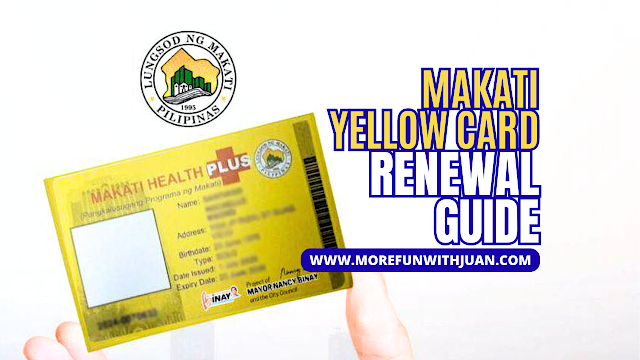
Here's How to Renew Your Makati Health Plus (Yellow Card)


For many Filipinos struggling with healthcare costs, the Malasakit Center stands as a crucial bridge to government aid. Established by Republic Act No. 11463 (Malasakit Centers Act of 2019), these centers aim to simplify the process of accessing medical and financial assistance by bringing together various government agencies under one roof.

If you or a loved one are an indigent or financially incapacitated patient in need of healthcare support, here's a general guide on how to avail the services of a Malasakit Center:


Who Can Avail?

Malasakit Centers primarily cater to indigent and financially incapacitated Filipino patients. Your eligibility will be assessed by a medical social worker based on your financial situation and the nature of your medical need.


Loading...

The Process: A Step-by-Step Guide

The beauty of the Malasakit Center is its "one-stop shop" approach, designed to minimize the hassle for patients and their families.


STEP ONE - Locate the Nearest Malasakit Center

Malasakit Centers are primarily established in all hospitals under the Department of Health (DOH) and the Philippine General Hospital (PGH).

Some local government unit (LGU) hospitals, State Universities and Colleges (SUCs) hospitals, and Philippine National Police (PNP) hospitals may also establish their own centers.

Upon reaching the hospital, inquire at the information desk for the specific location of the Malasakit Center.


STEP TWO - Approach the Medical Social Worker

Once at the center, proceed to the desk of the medical social worker. This professional is key to your application process.

Clearly explain your medical condition, the type of assistance you need (e.g., for hospital bills, medicines, laboratory tests), and your financial circumstances. They will guide you through the necessary steps and forms.


STEP THREE - Fill Out the Malasakit Unified Application Form

The center provides a single application form designed to cover the requirements of all participating agencies. This eliminates the need to fill out multiple forms for DOHDSWDPCSO, and PhilHealth.


STEP FOUR - Submit Required Documents

While the process is streamlined, essential documents are still necessary for verification. Prepare these in advance to expedite your application.


STEP FIVE - Undergo Assessment and Approval

The medical social worker will review your submitted documents and assess your financial capacity and medical need.

Once approved, the assistance is typically provided in the form of a Guarantee Letter (GL) addressed to the hospital's billing section, the hospital pharmacy, or the specific service provider (e.g., diagnostic center). This means the assistance directly covers your expenses with the institution, rather than being given as direct cash to the patient (except for specific DSWD programs for non-medical related crises like transportation or burial aid).


STEP SIX - Receive Assistance

Present the Guarantee Letter to the hospital billing, pharmacy, or other designated office. The amount covered by the Malasakit Center will then be deducted from your total bill.


Requirements to Prepare

Having these documents ready will significantly speed up your application:

  • Medical Certificate or Clinical Abstract: Issued by your attending physician, detailing your diagnosis, prescribed treatment, and the medical necessity of the assistance.

  • Hospital Bill or Statement of Account: If you are admitted or have pending bills. Ensure that your PhilHealth benefits and any other applicable discounts (e.g., Senior Citizen, PWD) have already been deducted from the total.

  • Prescription/Request Forms: For medicines, laboratory tests, or diagnostic procedures, with the doctor's signature and license number.

  • Certificate of Indigency: Obtained from your local barangay, and possibly certified or approved by your City/Municipal Social Welfare and Development Office (C/MSWDO) or Provincial Social Welfare and Development Office (PSWDO).

  • Valid ID: Of the patient and/or the authorized representative (e.g., driver's license, passport, SSS ID, UMID, Postal ID).

  • Proof of Relationship: If the applicant is a representative (e.g., birth certificate of patient/representative, marriage certificate).

  • Supporting Documents (may be requested for further assessment, especially for larger amounts):

    • Certificate of No Real Property: From the City/Municipal Assessor's Office.

    • Certification of No Business: From your barangay or local business permits and licensing office.

    • Quotation for specific medical procedures or a detailed treatment protocol (e.g., for chemotherapy sessions).


Important Things to Remember


Varying Assistance Amounts: The amount of financial aid you receive is not fixed. It depends on your assessed need, the specific medical service, and the available funds from the participating agencies. The goal is to fill the "gap" after other benefits are applied.

Non-Cash Basis (Generally): Assistance for medical bills and medicines is typically through a Guarantee Letter directly to the hospital or pharmacy. Direct cash aid might be available for specific DSWD programs (e.g., for transportation, food during confinement) but is separate from bill coverage.

Be Honest and Patient: Provide accurate information about your situation. While the process is streamlined, there may still be a waiting period due to the volume of applications.

Malasakit Centers embody a crucial safety net provided by the government, ensuring that the burden of illness does not lead to deeper poverty for Filipino families. If you find yourself in need, do not hesitate to approach your nearest Malasakit Center.


Understanding the Government Agencies in the Philippines

How to Avail Malasakit Center Medical and Financial Assistance


You lost your TIN ID Card or you need to replace a damaged one? Here's what you need to know about  TIN ID replacement.


In the Philippines, having a Tax Identification Number (TIN) is a fundamental requirement for various transactions, especially those related to employment and taxation. A TIN serves as a unique identifier issued by the Bureau of Internal Revenue (BIR) to individuals and businesses for tax-related purposes.

Loading...

Why is the TIN ID Card Important?

The Tax Identification Number (TIN) ID card holds significant importance for individuals and businesses in many countries, including the Philippines.

TIN ID Card sample

Here are several reasons why having a TIN ID card is essential:

Legal Compliance

Possessing a TIN ID card is a legal requirement in many countries, including the Philippines. It ensures that individuals and businesses are complying with tax laws and regulations. Failing to obtain or provide a TIN when required can result in penalties and legal consequences.


Business Transactions

Businesses, whether individuals or corporations, use TINs for various transactions. It's crucial for invoicing, filing tax returns, and ensuring accurate tax computations. Without a TIN, businesses may face difficulties in operating legally and fulfilling tax obligations.


Government Services

TINs are often required for availing government services and benefits. This includes applying for passports, driver's licenses, and permits. It also ensures that individuals and businesses are eligible for government assistance programs.


Identification and Verification

TINs serve as a unique identification number for tax-related purposes. They help verify the identity of individuals and entities in financial and legal transactions, reducing the risk of identity theft and fraud.


How to Replace a Damaged or Lost TIN ID Card?

Replacing a lost or damaged Tax Identification Number (TIN) ID card in the Philippines involves several steps. Here's a guide on how to do it:


1. Prepare the Necessary Documents

Gather the following documents before heading to the Bureau of Internal Revenue (BIR) office:

  • Affidavit of Loss: This legal document attests to the loss of your TIN ID card. It should be notarized.

  • Valid IDs: Bring any government-issued ID such as a passport, driver's license, or postal ID to confirm your identity.

  • TIN: If you have a copy of your TIN, bring it along. If not, you can inquire about it at the BIR office.


2. Visit the Nearest BIR Office

Go to the BIR office that has jurisdiction over your registered address. Inform the staff that you need to replace your lost TIN ID card. They will provide you with the necessary forms and guide you through the process.


3. Fill Out the Application Form

Fill out the BIR Form 1905 (Application for Registration Information Update) accurately and completely. Indicate in the form that you are applying for a replacement TIN ID card due to loss.


4. Submit the Documents

Submit the filled-out BIR Form 1905, the notarized Affidavit of Loss, and a photocopy of your valid ID to the BIR officer. They will process your application and provide you with a reference number.


5. Pay the Replacement Fee

Pay the required fee for the replacement of your TIN ID card. Keep the official receipt as you will need it for verification purposes. The TIN ID card replacement is PHP 200 as of writing.


6. Wait for Processing

The processing time for a replacement TIN ID card can vary. It might take a few days to a few weeks. During this period, the BIR will verify your information and process your request.


7. Claim Your TIN ID Card

Once your replacement TIN ID card is ready, go back to the BIR office with your official receipt and claim your new TIN ID card.


Tips

Be Patient: Processing times can vary, so it's essential to be patient throughout the application process.

Double-Check Documents: Ensure that all your documents are complete and accurate to avoid delays in processing.

Keep the TIN ID Secure: After replacing your TIN ID card, keep it in a safe place. If it is lost again, you will need to go through the replacement process once more.


Replacing a lost or damaged TIN ID card is essential to ensure that you have a valid and updated identification for various transactions. By following these steps and being prepared with the necessary documents, you can smoothly replace your TIN ID card and continue your financial activities without interruption.


ATTRACTIONS TO SEE IN MANILA 

Klook.com

Frequently Asked Questions (FAQs) About TIN ID Card

Here are some frequently asked questions regarding TIN ID cards in the Philippines along with their answers:

What is a TIN ID Card?

A Tax Identification Number (TIN) ID card is an official document issued by the Bureau of Internal Revenue (BIR) in the Philippines. It serves as a valid identification and proof of registration in the tax system.


Who Needs a TIN ID Card?

Individuals and businesses earning income in the Philippines, including employees, self-employed individuals, and corporations, need to have a TIN. It is essential for tax compliance and various financial transactions.


How Can I Apply for a TIN ID Card?

To apply for a TIN ID card, visit the nearest BIR office, fill out the necessary forms, and submit the required documents, such as a valid ID and proof of income. The BIR will process your application, and once approved, you can claim your TIN ID card.


What Documents Do I Need to Apply for a TIN ID Card?

You typically need a valid government-issued ID (such as a passport or driver's license), proof of address, and proof of income (such as a Certificate of Employment or payslips) to apply for a TIN ID card.


How Long Does it Take to Get a TIN ID Card?

The processing time for a TIN ID card can vary. It might take a few days to a few weeks, depending on the volume of applications and the specific BIR office you are dealing with.


Is the TIN the Same as the TIN ID Card?

No, the TIN (Tax Identification Number) is a unique number assigned to taxpayers, while the TIN ID card is the physical identification card that bears the TIN and serves as a valid proof of registration in the tax system.


Can I Use My TIN ID Card as a Primary ID for Transactions?

Yes, the TIN ID card is accepted as a valid primary ID for many transactions in the Philippines, including opening bank accounts and other official dealings. However, its acceptance might vary depending on the organization or institution you are dealing with. Here's a list of Valid IDs in the Philippines


Is There an Expiration Date on the TIN ID Card?

TIN ID cards do not have an expiration date. Once issued, they are valid until further notice. However, it's advisable to check with the BIR for the most current information regarding TIN ID card validity.


ACTIVITIES AND TOURS IN MANILA

List of Valid IDs in the Philippines (Primary)


How to Replace a Lost or Damaged TIN ID Card (Replacement Fee and Process)


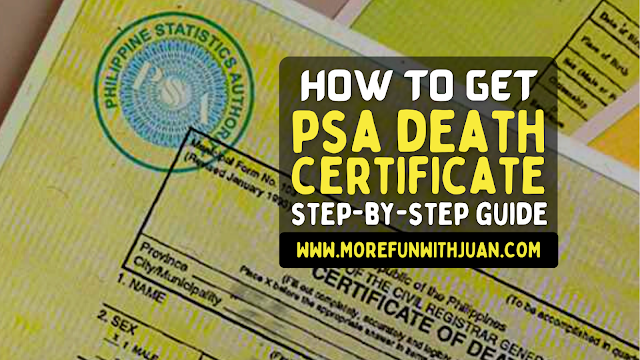
A death certificate is a crucial document that serves as an official record of an individual's passing.


It's necessary for various legal and administrative purposes, including settling estates, insurance claims, and other official matters. In the Philippines, the Philippine Statistics Authority (PSA) is the primary government agency responsible for issuing death certificates.

If you need to obtain a death certificate from PSA, follow this step-by-step guide:

Loading...

1. Determine the Type of Death Certificate You Need

Before you start the process, it's essential to determine the type of death certificate you require. PSA offers two types:
  • Authenticated Copy: This is a certified true copy of the death certificate that is suitable for most legal and administrative purposes.

  • Endorsement Copy: This copy is suitable for personal use and is often requested for genealogical research or family history documentation.


2. Gather Essential Information

To obtain a death certificate, you'll need the following information about the deceased individual:
  • Full name
  • Date of death
  • Place of death
  • Cause of death (optional but helpful)
  • Date of birth (if available)
  • Parents' names (if available)


3. Visit the PSA Website

The most convenient way to request a PSA death certificate is by visiting the PSA's official website (www.psaserbilis.com.ph). This online platform offers a user-friendly interface for requesting various PSA documents, including birth and death certificates.


4. Register for an Account

If you haven't already, you will need to create an account on the PSA Serbilis website. Provide your personal information, including your full name, contact details, and a valid email address.


5. Log in to Your Account

Once you have registered, log in to your account using your email address and password.


6. Select "Request for a Certificate."

Within your account, find the option for "Request for a Certificate" or a similar phrase. Click on it to begin the request process.


7. Fill Out the Application Form

Complete the application form with the required information. Make sure to provide accurate details to avoid any delays or issues with your request.


ATTRACTIONS TO SEE IN MANILA 

Klook.com

8. Select the Type of Certificate

Choose the type of death certificate you need: Authenticated Copy or Endorsement Copy. Verify your selection before proceeding.


9. Confirm the Details

Review the information you entered in the application form. Double-check for accuracy before confirming your request.


10. Pay the Processing Fee

You will need to pay a processing fee for the death certificate. PSA Serbilis offers various payment options, including credit card, online banking, and over-the-counter payment in selected banks and payment centers.


ACTIVITIES AND TOURS IN MANILA

11. Wait for Delivery

Once your payment is confirmed, your request will be processed by PSA. You can choose to have the certificate delivered to your address or opt for a pick-up at a PSA office or authorized partner. Delivery times may vary, so be patient.


12. Receive the Death Certificate

Once your death certificate is ready, it will be delivered to your specified address or made available for pick-up, depending on your chosen option.


Obtaining a death certificate from PSA is a straightforward process when done through their online platform. By following these steps, you can efficiently secure this essential document for various legal and personal purposes.


How to Obtain a PSA Death Certificate: A Step-by-Step Guide (Online Application)


The Professional Regulation Commission (PRC) ID is a crucial document for licensed professionals in the Philippines. It serves as proof of your professional status and allows you to practice your chosen profession legally.


PRC ID renewal is a process that professionals must undergo regularly to maintain their active status and continue their professional careers. In this comprehensive guide, we will walk you through the steps for PRC ID renewal, ensuring a smooth and hassle-free experience.

To know if your profession needs a PRC license here's a List of Professions Requiring PRC ID in the Philippines

Loading...

Step 1: Prepare Required Documents

Before initiating the PRC ID renewal process, gather the necessary documents:
  • Old PRC ID (expired or expiring soon)
  • Two (2) passport-sized photos with a white background and a name tag (complete name in capital letters and the PRC license number)
  • Photocopy of your old PRC ID (front and back)
  • Photocopy of your claim stub or official receipt from your last renewal
  • Duly accomplished PRC ID renewal application form (downloadable from the PRC website)
  • Payment of the renewal fee (amount varies depending on your profession and the number of years you wish to renew)


Step 2: Online Appointment

PRC encourages applicants to schedule an appointment online before visiting a PRC office. Follow these steps:
  • Visit the official PRC website at www.prc.gov.ph.
  • Click on "Online Services" and select "Renewal - Professional Identification Card."
  • Fill out the online renewal form with your personal information, profession, and contact details.
  • Select your preferred appointment date and PRC office where you wish to renew your ID.
  • Pay the corresponding renewal fee through the PRC online payment system. Make sure to keep the payment receipt.


Step 3: Attend the Appointment

On your scheduled appointment date, visit the chosen PRC office. Make sure to arrive early and bring all the required documents, including your old PRC ID and the payment receipt. Be prepared for the following steps:
  1. Verification of documents: A PRC officer will review your documents to ensure they are complete and in order.
  2. Biometric capture: You will undergo biometric capture for your photo and fingerprint. The officer will guide you through the process.
  3. Photo capture: A new passport-sized photo will be taken for your new PRC ID.
  4. Payment of additional fees (if applicable): Some professions may require additional payments, such as certification fees.
  5. Claim stub: After completing all the necessary procedures, you will receive a claim stub with the release date of your new PRC ID.


Step 4: Claim Your New PRC ID

Return to the PRC office on the specified release date to claim your new PRC ID. Make sure to bring your claim stub and a valid government-issued ID for verification purposes.


ATTRACTIONS TO SEE IN MANILA 

Klook.com

PRC ID renewal is a straightforward process that ensures your continued legal practice as a licensed professional in the Philippines. By following the steps outlined in this guide and preparing the necessary documents, you can easily renew your PRC ID and maintain your active professional status.

Remember to check the PRC website for any updates or changes in the renewal process specific to your profession.


ACTIVITIES AND TOURS IN MANILA

Frequently Asked Questions (FAQs) About PRC Licenses

Navigating the process of obtaining and maintaining a Professional Regulation Commission (PRC) license in the Philippines can raise several questions. Here, we provide answers to some frequently asked questions to help you understand PRC licenses better:


1. What is a PRC License, and why is it important?

A PRC license is an official document issued by the Professional Regulation Commission, allowing individuals to legally practice their professions in the Philippines. It is essential for professionals as it verifies their qualifications, competence, and adherence to professional standards.


2. Who needs a PRC license?

Individuals in regulated professions in the Philippines typically require a PRC license. This includes but is not limited to doctors, nurses, engineers, teachers, architects, accountants, and pharmacists. See my List of Professions Requiring PRC ID


3. How do I apply for a PRC license?

To apply for a PRC license, follow these steps:
  1. Create an online account on the PRC website.
  2. Select your profession and complete the online application form.
  3. Schedule an appointment, pay the required fees, and attend the appointment at a designated PRC office to complete the application process.


4. How much does a PRC license cost?

The cost of a PRC license varies by profession and may depend on factors such as the duration of the license and additional fees for certification. Generally, the total fee includes multiple components, such as application, examination, and other related fees. The fees can range from around PHP1,000 to PHP2,000 or more, depending on your profession and whether you are applying for an initial ID or renewing an existing one. Check the PRC website for specific fee information for your profession.


5. How long is a PRC license valid, and how do I renew it?

PRC licenses are typically valid for three years. To renew your license, you must complete the required Continuing Professional Development (CPD) units, pay the renewal fee, and schedule a renewal appointment at a PRC office. Ensure you renew your license before it expires to avoid penalties.


6. What happens if I fail to renew my PRC license on time?

Failing to renew your PRC license before its expiration date can result in penalties and additional requirements for reinstatement. It's crucial to renew your license promptly to avoid any disruptions in your professional practice.


7. Can I practice my profession with an expired PRC license?

No, it is illegal to practice your profession with an expired PRC license. You must renew your license to continue providing professional services legally.


8. How can I check the validity of a PRC license?

You can verify the validity of a PRC license through the PRC's online verification system on their official website. Enter the license number to check its status and expiration date.


9. Can I use my PRC license in other countries?

PRC licenses are generally recognized only within the Philippines. If you wish to practice your profession in another country, you may need to comply with that country's licensing requirements and regulations.


10. How long is my PRC ID valid?

PRC IDs are typically valid for three years. However, it's essential to check the expiration date on your ID, as renewal is necessary to maintain your professional status. Renewal requirements may differ from initial registration, so be sure to stay informed about PRC regulations.


IMPORTANT NOTE:
 The rates, contact details and other information indicated in this post are accurate from the time of writing but may change without IMFWJ's notice. Should you know the updated information, please let us know by leaving a message in the comment box below.

A Comprehensive Guide to PRC ID Renewal in the Philippines


The Professional Regulation Commission (PRC) in the Philippines plays a pivotal role in regulating and overseeing various professions, ensuring that professionals meet the necessary qualifications and standards.


PRC license verification is a crucial process that allows employers, government agencies, and the public to confirm the validity and status of a professional's license. In this guide, we will explore the significance of PRC license verification and provide a step-by-step guide on how to verify a PRC license.


Loading...

Why PRC License Verification Matters

PRC license verification is essential for several reasons:
  • Ensuring Competence: Verification confirms that a professional has met the educational and examination requirements for their specific field, guaranteeing their competence.

  • Public Safety: It helps safeguard public safety by ensuring that individuals who provide professional services have the necessary qualifications.

  • Employment Verification: Employers can use license verification to verify the credentials of potential hires, ensuring they have the required qualifications.

  • Government and Regulatory Agencies: Government agencies may require license verification to confirm qualifications for specific positions or licenses.

  • Professional Credibility: Professionals can use verified licenses to establish credibility and trust with clients, patients, or employers.


Who needs to get a PRC License?

A PRC license is required for professionals who have passed the licensure examination in regulated fields, such as engineering, nursing, teaching, and many others. It serves as proof of their professional competence. See List of Professions Requiring PRC ID


How to Verify a PRC License

PRC offers a user-friendly online platform that allows anyone to verify the authenticity of a professional's license. Here's a step-by-step guide:


Step 1: Access the PRC Online Verification System

Step 2: Select "Verification of License"
  • Under the "Services" menu, click on "Verification of License."


Step 3: Choose the Profession
  • Select the profession or category for which you want to verify the license.
  • This will narrow down your search.

Step 4: Enter the License Information
  • Provide the specific license information you have for verification.
  • This may include the professional's name, license number, or other relevant details.

Step 5: Initiate the Search
  • Click on the "Verify" button or a similar option to initiate the search.
  • The system will retrieve the license information based on the data you provided.

Step 6: View the Results
  • The system will display the verification results, including the professional's name, license number, license status (active or expired), and the validity period of the license.


Step 7: Print or Save the Verification Result
  • You can print or save the verification result as a PDF for your records or to share with others, such as employers or clients.

Step 8: Verify Additional Details (Optional)
  • If you want more detailed information about the professional's qualifications or disciplinary history, you can request a Certification of Good Standing from PRC, which provides a more comprehensive report.


ATTRACTIONS TO SEE IN MANILA 

Klook.com

PRC license verification is a vital process that ensures the qualifications and competence of professionals in the Philippines. Whether you're an employer, a government agency, or an individual seeking professional services, verifying a PRC license provides peace of mind and confidence in the credentials of the professionals you engage with.

The online verification system makes this process accessible and efficient, contributing to the overall integrity of the professional regulatory system in the country.


ACTIVITIES AND TOURS IN MANILA

Frequently Asked Questions (FAQs) About PRC Licenses

Navigating the process of obtaining and maintaining a Professional Regulation Commission (PRC) license in the Philippines can raise several questions. Here, we provide answers to some frequently asked questions to help you understand PRC licenses better:


1. What is a PRC License, and why is it important?

A PRC license is an official document issued by the Professional Regulation Commission, allowing individuals to legally practice their professions in the Philippines. It is essential for professionals as it verifies their qualifications, competence, and adherence to professional standards.


2. Who needs a PRC license?

Individuals in regulated professions in the Philippines typically require a PRC license. This includes but is not limited to doctors, nurses, engineers, teachers, architects, accountants, and pharmacists. See my List of Professions Requiring PRC ID


3. How do I apply for a PRC license?

To apply for a PRC license, follow these steps:
  1. Create an online account on the PRC website.
  2. Select your profession and complete the online application form.
  3. Schedule an appointment, pay the required fees, and attend the appointment at a designated PRC office to complete the application process.


4. How much does a PRC license cost?

The cost of a PRC license varies by profession and may depend on factors such as the duration of the license and additional fees for certification. Generally, the total fee includes multiple components, such as application, examination, and other related fees. The fees can range from around PHP1,000 to PHP2,000 or more, depending on your profession and whether you are applying for an initial ID or renewing an existing one. Check the PRC website for specific fee information for your profession.


5. How long is a PRC license valid, and how do I renew it?

PRC licenses are typically valid for three years. To renew your license, you must complete the required Continuing Professional Development (CPD) units, pay the renewal fee, and schedule a renewal appointment at a PRC office. Ensure you renew your license before it expires to avoid penalties.

Read my complete PRC ID Renewal guide.


6. What happens if I fail to renew my PRC license on time?

Failing to renew your PRC license before its expiration date can result in penalties and additional requirements for reinstatement. It's crucial to renew your license promptly to avoid any disruptions in your professional practice.


7. Can I practice my profession with an expired PRC license?

No, it is illegal to practice your profession with an expired PRC license. You must renew your license to continue providing professional services legally.


8. How can I check the validity of a PRC license?

You can verify the validity of a PRC license through the PRC's online verification system on their official website. Enter the license number to check its status and expiration date.


9. Can I use my PRC license in other countries?

PRC licenses are generally recognized only within the Philippines. If you wish to practice your profession in another country, you may need to comply with that country's licensing requirements and regulations.


10. How long is my PRC ID valid?

PRC IDs are typically valid for three years. However, it's essential to check the expiration date on your ID, as renewal is necessary to maintain your professional status. Renewal requirements may differ from initial registration, so be sure to stay informed about PRC regulations.


IMPORTANT NOTE:
 The rates, contact details and other information indicated in this post are accurate from the time of writing but may change without IMFWJ's notice. Should you know the updated information, please let us know by leaving a message in the comment box below.

PRC Verification: Checking Validity and Status of My Professional License


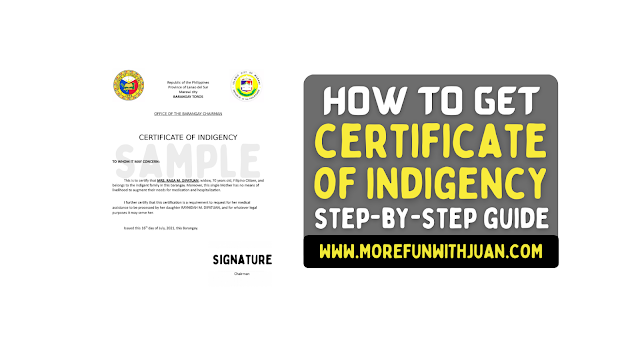
In the Philippines, a Certificate of Indigency serves as an essential document for individuals and families who may be experiencing financial hardship.


This certificate, issued by the local government unit (LGU), helps qualifying individuals access various government programs, services, and benefits aimed at providing assistance and support to those in need.

In this article, we'll guide you through the process of obtaining a Certificate of Indigency in the Philippines.


Understanding the Certificate of Indigency

A Certificate of Indigency, also known as a Certificate of Poverty, is a document that attests to an individual's or family's financial status, particularly their inability to meet basic needs due to limited financial resources. This certificate is a prerequisite for availing of various government services and benefits, such as:
  • Healthcare Assistance: Access to government health programs and subsidies for medical expenses.

  • Educational Assistance: Enrollment in scholarship and financial aid programs for education.

  • Social Welfare Programs: Eligibility for social welfare programs, such as the Pantawid Pamilyang Pilipino Program (4Ps).

  • Housing Assistance: Priority in government housing programs and subsidies.


Eligibility for a Certificate of Indigency

The criteria for eligibility may vary slightly from one LGU to another. However, in general, individuals or families who meet the following conditions may qualify for a Certificate of Indigency:
  • Income Level: The applicant's income must fall below the poverty threshold set by the LGU. This threshold varies depending on the LGU's local economic conditions.

  • Assets: The applicant must not possess significant assets or properties that can provide for their basic needs.

  • Residency: The applicant typically needs to be a resident of the LGU where they are applying for the certificate.


Steps to Obtain a Certificate of Indigency

Obtaining a Certificate of Indigency involves several steps, and the exact process may vary from one LGU to another. However, the following steps provide a general overview of the process:


STEP ONE: Visit the Barangay Hall
  • Start by visiting the barangay (local neighborhood) hall in your community.
  • This is typically where you'll apply for the Certificate of Indigency.


STEP TWO: Inquire and Collect Requirements
  • Inquire with the barangay staff about the specific requirements and documents needed for the application.
  • These may include proof of income, proof of residency, and a valid ID.


STEP THREE: Complete Application Forms
  • Fill out the necessary application forms provided by the barangay staff.
  • Ensure that you provide accurate and complete information.


STEP FOUR: Document Verification
  • The barangay staff will review your application and supporting documents to determine your eligibility for the certificate.


STEP FIVE: Interview
  • In some cases, you may be required to participate in an interview with a social worker or barangay official to assess your financial situation.


STEP SIX: Certificate Issuance
  • If you meet the eligibility criteria, the barangay will issue you a Certificate of Indigency.
  • This certificate is typically free of charge.


ATTRACTIONS TO SEE IN MANILA 

Klook.com

Where to Use the Certificate of Indigency

You can use the Certificate of Indigency to avail yourself of various government services and benefits, as mentioned earlier.


Renewal and Validity

The validity period of a Certificate of Indigency may vary by LGU, but it often needs to be renewed annually or as required by the specific government program you are applying for. To renew your certificate, you will typically need to revisit the barangay hall, provide updated information, and undergo reevaluation of your eligibility.


Obtaining a Certificate of Indigency in the Philippines is a valuable step for individuals and families facing financial challenges. It opens doors to essential government assistance programs, ensuring that those in need can access vital services and support to improve their quality of life.

If you are in need of such assistance, don't hesitate to reach out to your local barangay to start the application process for a Certificate of Indigency.


ACTIVITIES AND TOURS IN MANILA


How to Get Certificate of Indigency (Eligibility and Requirements)


Here's your complete and comprehensive guide for PRC Licensure Exam Application and Registration.


The Professional Regulation Commission (PRC) in the Philippines serves as the regulatory body responsible for overseeing and administering licensure examinations for various professions. Whether you aspire to become a licensed professional in fields such as engineering, nursing, accountancy, or many others, understanding how to register for a PRC licensure exam is a crucial first step towards achieving your career goals.

This comprehensive guide will walk you through the essential steps and procedures to navigate the PRC exam registration process, ensuring that you are well-prepared and on the right path to obtaining your professional license.


Professions Regulated by the PRC

The PRC's purview extends to a wide array of professions, including but not limited to:
  • Medicine and Allied Health Professions
  • Engineering and Architecture
  • Nursing
  • Education
  • Accountancy
  • Real Estate
  • Customs Brokerage
  • Pharmacy
  • Social Work
  • Dentistry
  • Veterinary Medicine
  • Agriculture
  • Interior Design

To know if your profession needs a PRC license here's a List of Professions Requiring PRC ID in the Philippines

Applying for a licensure exam from the Professional Regulation Commission (PRC) in the Philippines involves several steps and specific requirements. Below is a general guide on how to apply for a PRC licensure exam:

Loading...

1. Determine Eligibility

Before applying for a PRC licensure exam, ensure that you meet the eligibility requirements for the specific exam you intend to take. Requirements can vary depending on the profession and the exam.


2. Create a PRC Online Account

Visit the PRC website (www.prc.gov.ph) and create an online account if you don't already have one. You will need a valid email address to register.


3. Select Exam and Confirm Eligibility

Log in to your PRC online account and select the licensure exam you wish to take. Ensure that you meet all the eligibility requirements for that particular exam.


4. Complete the Application Form

Fill out the online application form with accurate and complete information. Provide the required personal and educational details. Review the form for any errors before submission.


5. Upload Required Documents

Prepare and upload the necessary documents, which typically include:
  • Passport-sized photo (passport-style and size)
  • Birth certificate (original or certified true copy)
  • Transcript of records with scanned remarks "For Board Examination Purposes" (for first-timers) or a photocopy of your valid PRC ID (for repeaters)
  • Other documents as required for specific professions (e.g., diploma, Certificate of Good Standing, etc.)


6. Choose an Exam Center

Select your preferred exam center from the list provided by PRC. Ensure that the exam center is convenient for you and is within your travel capability.


7. Pay the Exam Fees

Pay the required examination fees through the PRC online payment portal or at authorized PRC cashiers. Keep the payment receipt as proof of payment.


8. Schedule an Exam Date and Time

After payment confirmation, you can schedule your exam date and time online through the PRC website. Select the available slots that suit your preferences. See my guide to 


9. Print Your Application

Once you've completed all the steps, you can print a copy of your application form, which will include your exam details and schedule.


10. Attend the Exam Orientation

Some licensure exams may require you to attend an exam orientation or briefing. Check the specific requirements for your exam on the PRC website.


ATTRACTIONS TO SEE IN MANILA 

Klook.com

On Exam Day

Arrive at the exam venue at least an hour before the scheduled time. Bring your printed application form, valid identification (usually a government-issued ID), and other required documents. Follow all exam guidelines and instructions provided by the proctors.


Check Results

After taking the exam, PRC will release the results online. You can check your exam results on the PRC website. Visit 6 Ways to Check PRC Licensure Exam Results


Claim Your License

If you pass the exam, you will need to claim your license at the PRC office. Check the PRC website or contact them for information on license claiming procedures.


Please note that the specific requirements and procedures may vary depending on the licensure exam and the profession. It's essential to refer to the PRC website and read the exam-specific guidelines and instructions carefully to ensure a smooth application process.


ACTIVITIES AND TOURS IN MANILA

Frequently Asked Questions (FAQs) for PRC Licensure Exam Application, Schedule & Results

Whether you're a first-time applicant or a seasoned professional, navigating the licensure exam application process with the Professional Regulation Commission (PRC) can raise various questions. Here, we've compiled a list of frequently asked questions to help you understand the application process and schedule better:


1. What is the Professional Regulation Commission (PRC), and why is it essential for professionals in the Philippines?

The PRC is a government agency tasked with regulating and overseeing various professions in the Philippines. It ensures that professionals meet the necessary qualifications and standards to practice safely and effectively. Having a PRC license is often a legal requirement for many professions.


2. How do I know when the licensure exams for my profession are scheduled?

You can check the official PRC website (www.prc.gov.ph) regularly for announcements and updates regarding licensure exam schedules. PRC typically releases exam schedules several months in advance.


3. How do I apply for a PRC licensure exam?

To apply for a PRC licensure exam, follow these steps:
  • Create an online account on the PRC website.
  • Select your desired exam and fill out the online application form.
  • Schedule an appointment and pay the exam fee.
  • Attend the scheduled appointment at the designated PRC office to complete the application process.


4. What are the required documents for exam application?

The required documents may vary depending on the profession, but typically include:
  • Transcript of Records
  • Birth Certificate
  • Valid ID
  • Passport-sized photos
  • Other profession-specific documents


5. How much does it cost to apply for a PRC licensure exam?

The exam fee varies by profession and may also depend on the number of exam subjects. Check the PRC website for the specific exam fee for your profession.


6. Can I apply for multiple licensure exams at once?

Yes, you can apply for multiple licensure exams if you meet the eligibility requirements for each exam. However, make sure to consider the time and effort required to prepare for multiple exams simultaneously.


7. How can I check the status of my exam application?

You can check the status of your exam application through your PRC online account on the PRC website. Log in to your account and navigate to the "Exam Application Status" section.


8. What should I do if I encounter technical issues during the online application process?

If you encounter technical issues while applying online, you can reach out to the PRC's customer service for assistance. They can provide guidance on resolving any problems you may encounter.


9. Can I reschedule my exam appointment if I have a conflict on the scheduled date?

PRC may allow rescheduling of exam appointments under certain circumstances, such as illness or emergencies. Contact the PRC office or refer to the PRC website for specific guidelines on rescheduling.


IMPORTANT NOTE: The rates, contact details and other information indicated in this post are accurate from the time of writing but may change without IMFWJ's notice. Should you know the updated information, please let us know by leaving a message in the comment box below.

PRC Licensure Registration: Guide to Board Exam Application, Eligibility & Requirements