Showing posts with label Filipino Food. Show all posts

Here's your step-by-step guide on how to cook pork adobo at home.


Pork Adobo is a quintessential Filipino dish that showcases the country's rich culinary heritage. This savory and tangy dish features tender chunks of pork simmered in a flavorful marinade of soy sauce, vinegar, garlic, and spices. While the recipe may vary from region to region and family to family, mastering the basics of cooking Pork Adobo will allow you to create a delicious and comforting meal that's perfect for any occasion. Follow this comprehensive guide to learn how to cook Pork Adobo like a pro.

Loading...

Ingredients

  • 1 kg (2.2 lbs) pork belly or pork shoulder, cut into bite-sized pieces
  • 1/2 cup soy sauce
  • 1/2 cup vinegar (preferably cane vinegar)
  • 1 head of garlic, minced
  • 3-4 bay leaves
  • 1 teaspoon whole black peppercorns
  • 1 cup water
  • 2 tablespoons cooking oil
  • Salt and pepper to taste
  • Optional: sliced onions, hard-boiled eggs


Equipment

  • Large pot or Dutch oven
  • Wooden spoon
  • Knife and cutting board


Step-by-Step Guide


Marinate the Pork:
  1. In a large bowl, combine the pork pieces, minced garlic, soy sauce, vinegar, bay leaves, and black peppercorns.
  2. Mix well to ensure that the pork is evenly coated in the marinade.
  3. Cover the bowl and let the pork marinate in the refrigerator for at least 30 minutes to allow the flavors to penetrate the meat.

Sear the Pork:
  1. Heat oil in a large pot or Dutch oven over medium-high heat.
  2. Once the oil is hot, add the marinated pork pieces, reserving the marinade.
  3. Sear the pork until browned on all sides, stirring occasionally to prevent sticking. This step adds depth of flavor to the dish.

Simmer the Adobo:
  1. Pour the reserved marinade over the seared pork in the pot.
  2. Add water to the pot until the pork is just covered.
  3. Bring the mixture to a boil, then reduce the heat to low and let it simmer, covered, for about 1 to 1.5 hours, or until the pork is tender.
  4. Stir occasionally and skim off any excess fat or foam that rises to the surface.

Adjust Seasoning:
  1. Once the pork is tender, taste the adobo and adjust the seasoning with salt and pepper if needed.
  2. You can also add sliced onions for extra flavor, if desired.

Serve and Enjoy:
  1. Transfer the Pork Adobo to a serving dish and garnish with fresh chopped parsley or green onions, if desired.
  2. Serve hot with steamed rice and enjoy the rich flavors of this classic Filipino dish.

For an authentic touch, serve Pork Adobo with a side of steamed rice and sliced tomatoes or hard-boiled eggs.


Tips and Variations

For a richer flavor, you can use pork belly instead of pork shoulder, or a combination of both.

Adjust the level of tanginess by varying the ratio of soy sauce to vinegar according to your taste preferences.

To add depth of flavor, you can also incorporate other ingredients such as coconut milk, pineapple chunks, or sugar.

Leftover Pork Adobo can be stored in an airtight container in the refrigerator for up to 3 days or frozen for longer storage.


ATTRACTIONS TO SEE IN MANILA 

Klook.com

Cooking Pork Adobo is a rewarding culinary journey that allows you to experience the rich and diverse flavors of Filipino cuisine. With its simple yet flavorful marinade and slow-simmered pork, this dish is sure to become a favorite at your dinner table. Whether enjoyed as a hearty weeknight meal or served at special gatherings, Pork Adobo is a true Filipino classic that never fails to satisfy the taste buds and warm the soul.


How to Cook Pork Adobo (Recipe and Ingredients Guide)


The Ultimate Guide to Making Taho: A Filipino Delight


Taho is a beloved Filipino delicacy that holds a special place in the hearts of many. This sweet treat consists of soft tofu, sweet syrup (arnibal), and sago pearls. It's not just a delicious snack; it's also a cultural icon, often sold by vendors in the morning as a staple breakfast option or as an afternoon pick-me-up. Making taho at home allows you to enjoy this delightful treat anytime you crave it, and it's surprisingly easy to prepare. Follow this comprehensive guide to master the art of making taho in your own kitchen.

Loading...

Ingredients


Equipment

  • Large pot
  • Small pot
  • Colander
  • Cheesecloth or fine mesh strainer
  • Ladle or spoon
  • Bowls or cups for serving


Step-by-Step Guide


Prepare the Tofu:
  • Drain the soft tofu from its packaging and cut it into small cubes. Traditional taho uses soft tofu with a silky texture, but if you prefer a firmer texture, you can freeze the tofu beforehand and then thaw it before using.

Cook the Sago Pearls:
  1. Bring a pot of water to a boil and add the sago pearls.
  2. Cook the sago pearls according to the package instructions, usually boiling them for about 10-15 minutes until they become translucent.
  3. Once cooked, drain the sago pearls and rinse them under cold water to prevent them from sticking together. Set aside.

Make the Arnibal (Sweet Syrup):
  1. In a small pot, combine equal parts brown sugar and water.
  2. Heat the mixture over medium heat, stirring constantly until the sugar has completely dissolved.
  3. If desired, add flavorings like a splash of vanilla extract or a few pandan leaves for an aromatic touch.
  4. Once the syrup thickens slightly, remove it from the heat and let it cool.

Assemble the Taho:
  1. Line a colander with cheesecloth or a fine mesh strainer.
  2. Place the cubed tofu in the colander, spreading it out evenly.
  3. Gently pour the warm arnibal over the tofu, ensuring that it's evenly coated.
  4. Allow the excess syrup to drain off into a bowl beneath the colander.

Serve and Enjoy:
  1. Once the excess syrup has drained off, transfer the sweetened tofu cubes to serving bowls or cups.
  2. Add a spoonful of cooked sago pearls on top of the tofu cubes.
  3. Drizzle a little more arnibal over the top, if desired.
  4. Serve the taho warm and enjoy its delightful sweetness and silky texture.


ATTRACTIONS TO SEE IN MANILA 

Klook.com

Tips and Variations

Adjust the sweetness of the arnibal according to your preference by adding more or less brown sugar.

Experiment with different flavorings such as pandan extract or coconut milk for a unique twist on the classic taho recipe.

Serve taho warm for the best texture and flavor, but it can also be enjoyed chilled on hot summer days.

Store any leftover taho components separately in the refrigerator and assemble them just before serving to maintain freshness.

 
Making taho at home is a rewarding culinary experience that allows you to savor the flavors of this beloved Filipino treat whenever the craving strikes. With just a few simple ingredients and some basic cooking techniques, you can recreate the magic of taho in your own kitchen. Whether enjoyed as a breakfast staple or a sweet indulgence any time of day, homemade taho is sure to delight your taste buds and evoke fond memories of the Philippines.


How to Make Taho (Silken Tofu with Sago Pearls and Brown Sugar Syrup)

Imagine those moments when your stomach growls - it's not quite mealtime yet, but you're definitely craving something sweet, flavorful, or slightly filling. That’s where merienda comes to the rescue.


Merienda, the Filipino term for snacks or light meals eaten in between main meals, is an essential part of Filipino culture. It's the ultimate cure for after-school or office munchies, as well as late-night cravings. 


More than filling your stomach, eating merienda is a quick escape from the daily grind that will surely bring a smile to your face.

Now, let's dive into some of the best merienda recipes that you must try. These snacks can be bought from street vendors, restaurants, or made at home with love.

Loading...

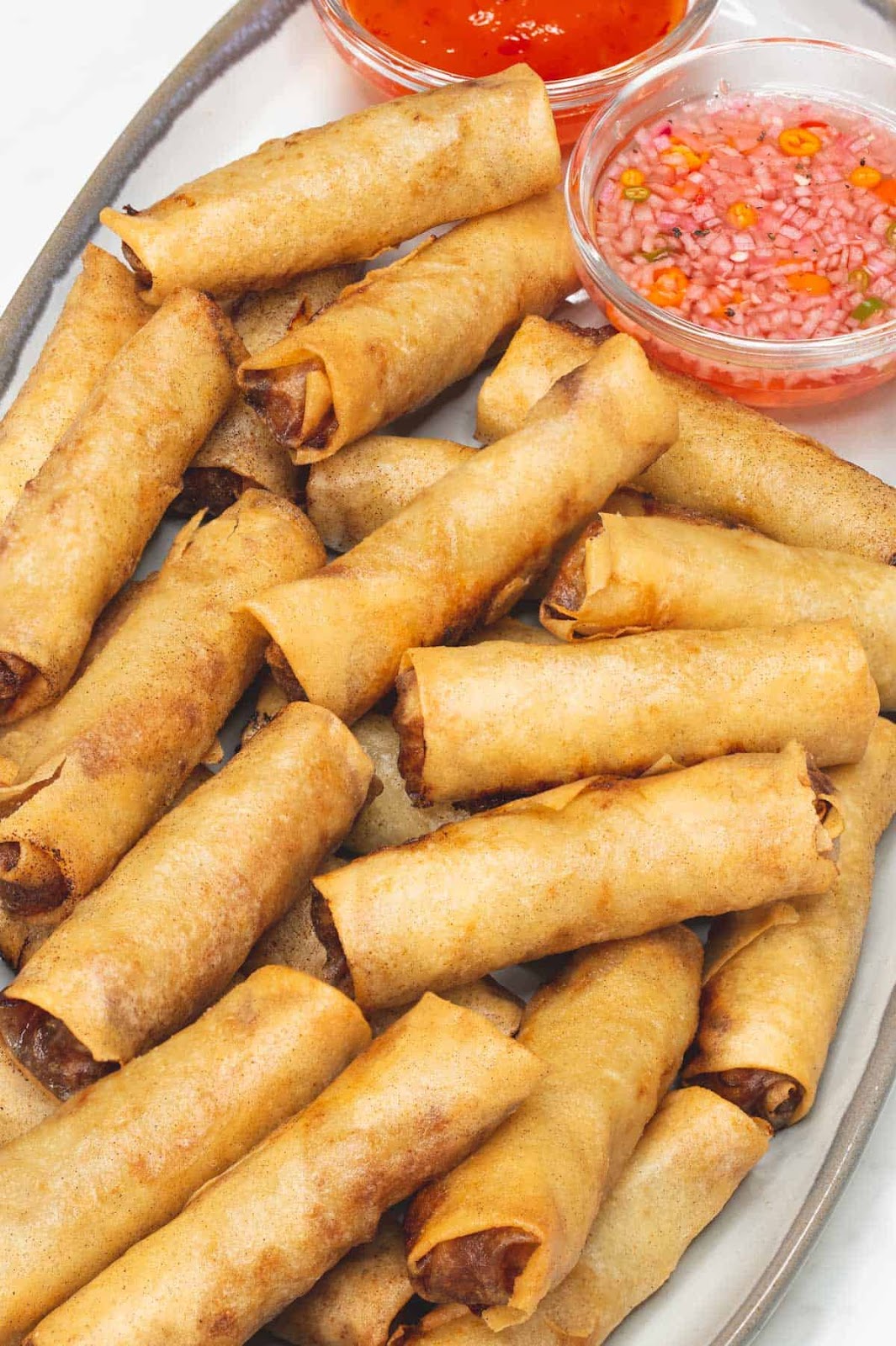
1. Lumpiang Shanghai

Lumpia is a staple not only in birthday parties and fiestas, but also in everyday Filipino merienda.

Among the different types of lumpia, Lumpiang Shanghai is a standout favorite. These bite-sized spring rolls are filled with a savory mixture of ground pork, carrots, onions, and various seasonings.

Image source

With each roll carefully deep-fried to golden perfection, the crispy exterior contrasts beautifully with the juicy filling inside.

Lumpiang shanghai is best enjoyed when dipped in sweet chili sauce or a tangy dipping sauce made from vinegar, sugar, and soy sauce. The combination of flavors is simply irresistible, making it a popular choice among Filipinos of all ages.


2. Pancit Palabok

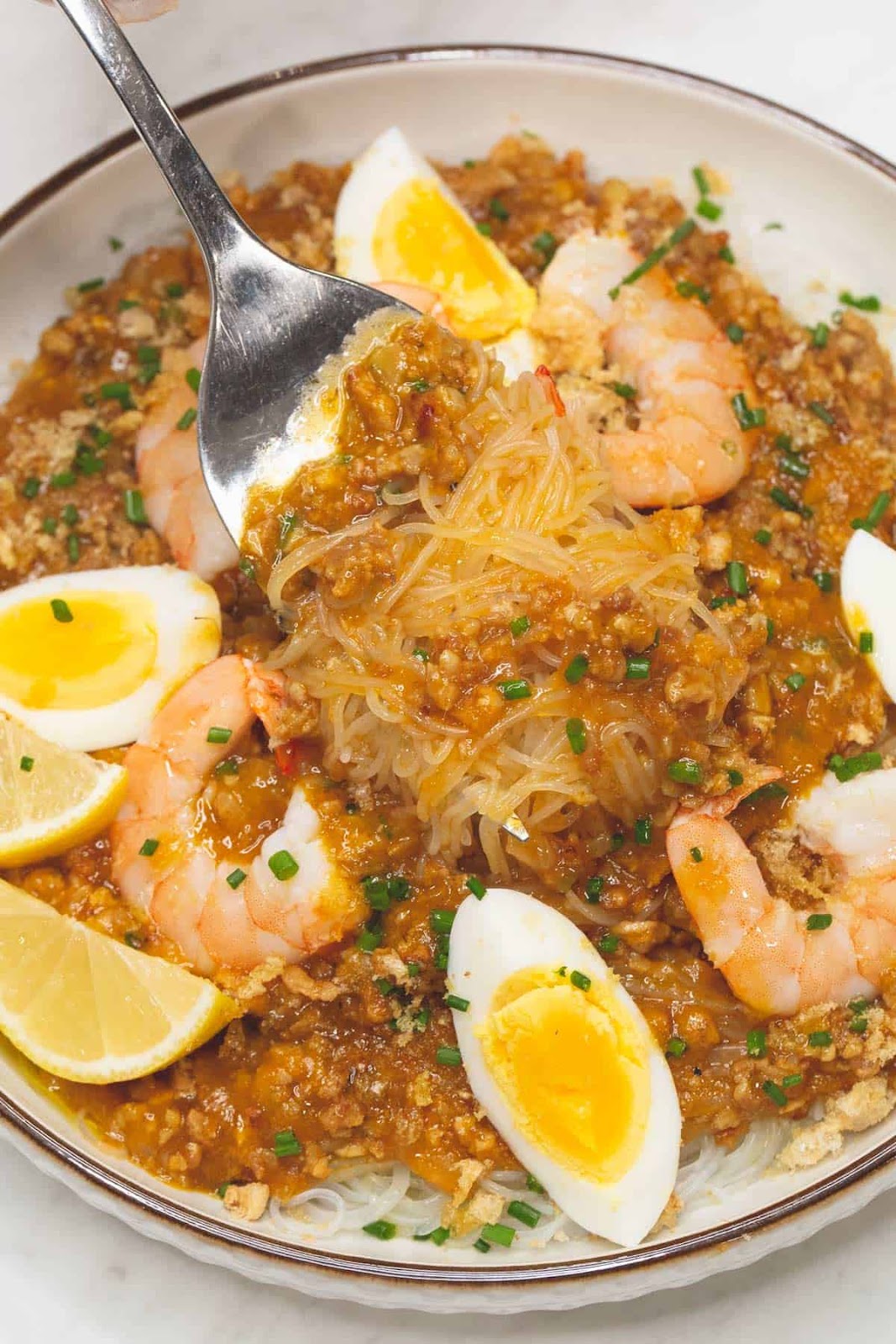
No matter how many times you’ve had it, the taste of Pancit Palabok never gets old. This classic Filipino merienda is a comforting dish that combines thin rice noodles, a rich annatto-flavored sauce, and an array of delicious toppings.

The sauce, made from shrimp broth and annatto seeds, gives the dish its vibrant orange color and distinct flavor.

Image source

However, it’s the garnishes that truly make this dish so well-loved. From crispy fried garlic, boiled eggs, shrimp, and smoked fish flakes, to crushed chicharon and freshly squeezed calamansi, these toppings add layers of texture and flavor that elevate the dish to new heights.

While you can easily buy this merienda favorite from street food vendors, making Pancit Palabok at home allows you to customize it to your own taste.

Some prefer a spicier version by adding extra chili flakes or hot sauce, while others may opt for a milder flavor by reducing the amount of annatto seeds used in the sauce.

Without question, the process of creating the flavorful shrimp broth, simmering the annatto seeds to infuse the sauce with its vibrant hue, and carefully arranging the toppings is a labor of love that's worth the effort.


3. Siomai

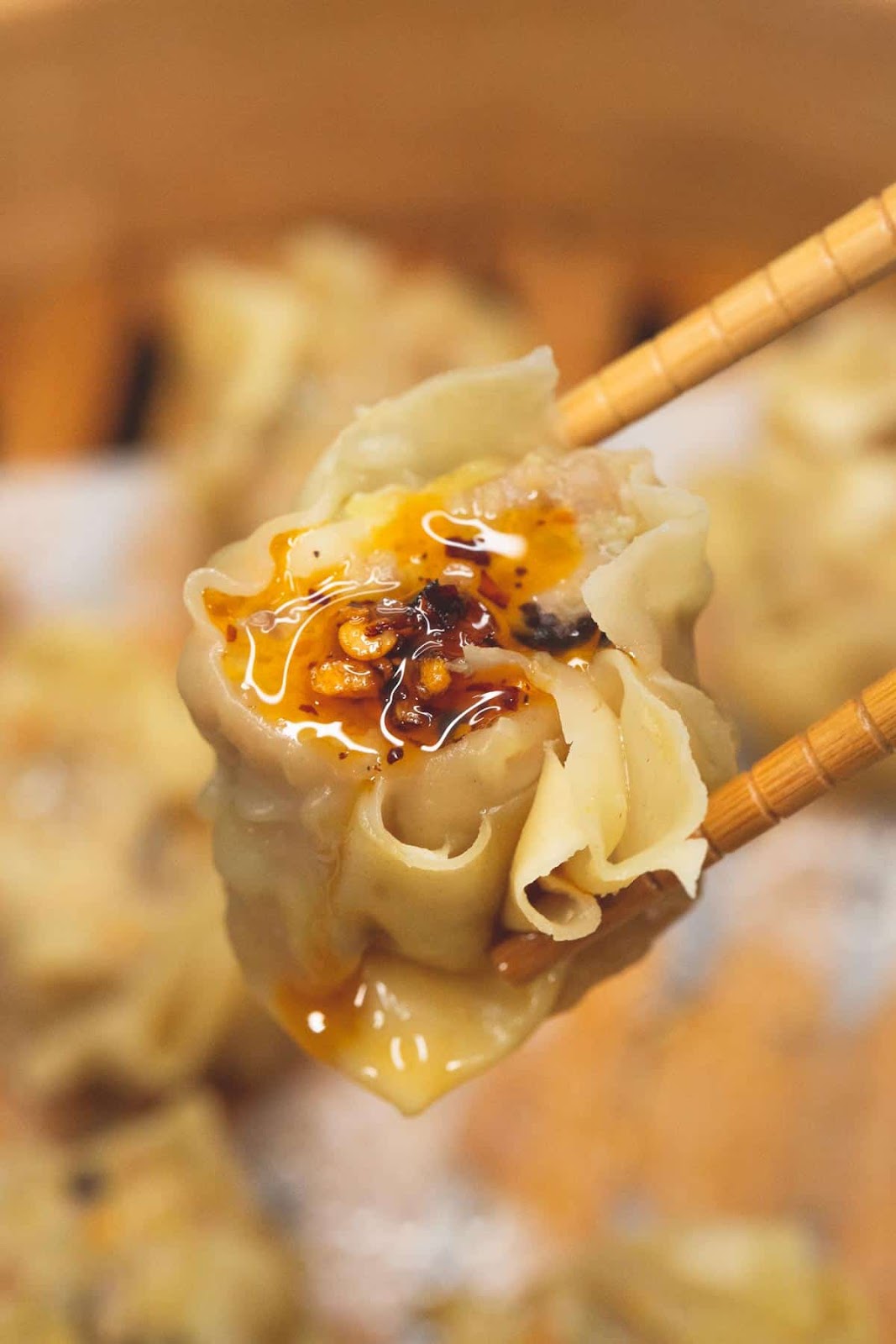
With roots tracing back to Chinese cuisine, Filipinos have made Siomai their own, adding their unique flavors and twists to this beloved merienda.
These Filipino steamed dumplings are a delightful combination of ground pork, shrimp, mushrooms, and various seasonings, all encased in a delicate and silky wrapper. Once eaten, it gives you a burst of umami flavor with every bite.

These little bundles of joy are a popular merienda choice, often enjoyed with a dipping sauce made from soy sauce, calamansi juice, and chili paste.


4. Halo-Halo

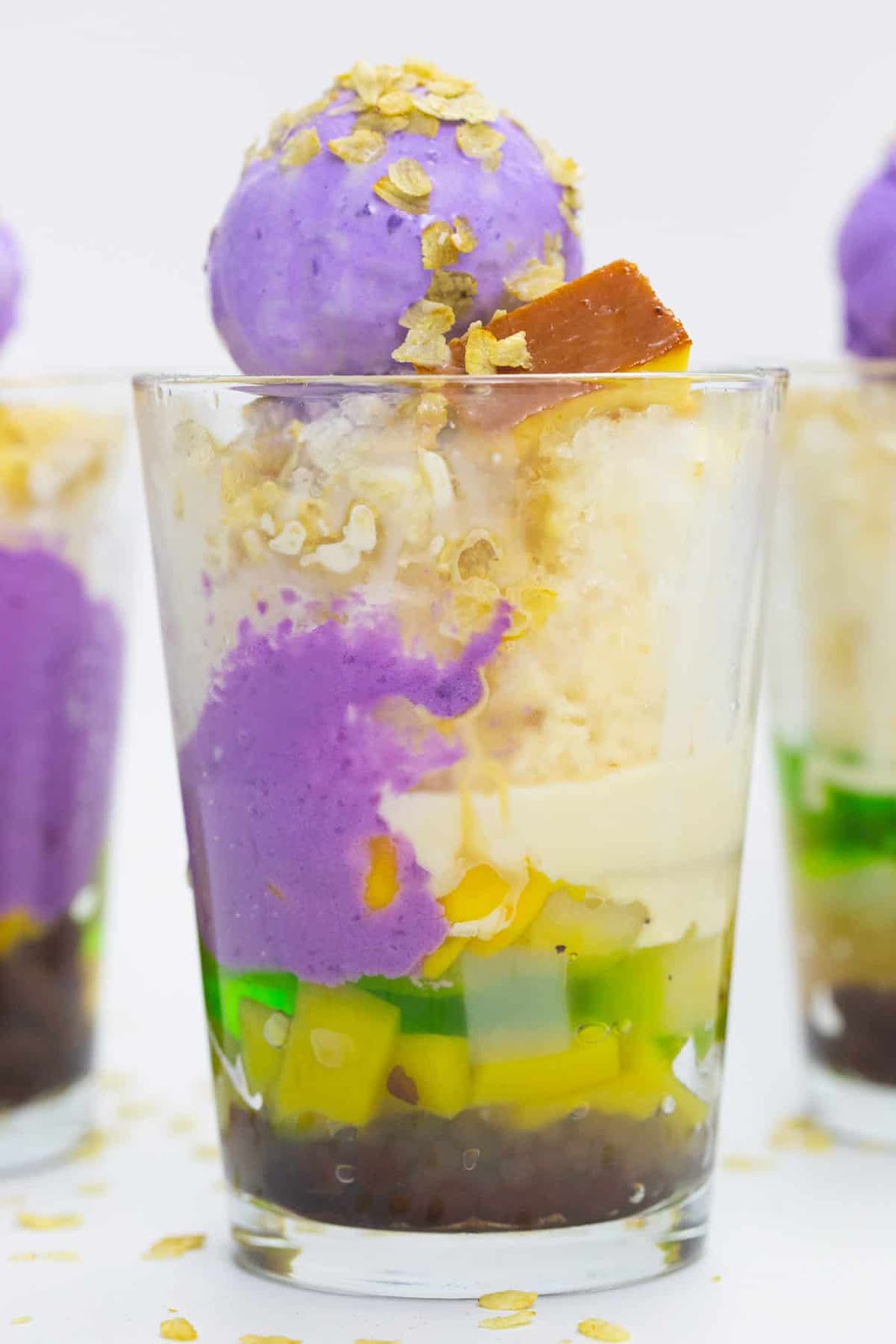
Looking for something to fill your stomach on a hot summer day? Look no further than the beloved Halo-Halo. This refreshing and colorful mixed fruit dessert is the perfect treat to cool you down and satisfy your sweet tooth.

Halo-Halo, which literally translates to "mix-mix" in English, is a delightful combination of ingredients that come together in a mouthwatering symphony of flavors and textures. It starts with a base of crushed ice and evaporated milk. From there, the possibilities are endless.

Image source

Most sellers add a variety of sweet ingredients, such as sweetened beans, jellies, fruit preserves, and candied fruits. Some even include chunks of leche flan or ube halaya for added richness. To top it all off, a generous scoop of creamy ube ice cream is placed on top.

To eat halo halo, mix all the ingredients first, allowing the flavors to meld and the textures to intermingle. Each spoonful is a delightful surprise as you taste different combinations of sweet, creamy, and fruity goodness.


5. Bibingka

A favorite amongst Filipinos during the Christmas season, bibingka is a merienda that brings warmth and comfort to everyone.

This Filipino rice cake is made from a mixture of glutinous rice flour and coconut milk, giving it a soft and slightly chewy texture. Because it is traditionally cooked in clay pots lined with banana leaves over hot coals, the bibingka develops a beautiful charred exterior while maintaining a moist interior.

This Filipino merienda is topped with salted egg, margarine, and cheese for a contrast of flavor. It is often enjoyed with a cup of hot chocolate or coffee, making it the perfect treat after Simbang Gabi.

Families gather around to savor this delicious rice cake while sharing stories and laughter as they celebrate the holiday season.


6. Puto

There's nothing quite like the fluffy and slightly sweet taste of Puto to transport you back to childhood memories.

These steamed rice cakes are a staple Filipino merienda, usually enjoyed during special occasions or as a simple afternoon snack.

Made from a mixture of flour, sugar, water, evaporated milk, and baking powder, Puto is light and airy, with a subtle hint of sweetness that lingers on your tongue. Most sellers top this merienda with a small slice of cheese.

It can also be flavored with pandan, ube, mango, or any other fruit extract to add a burst of flavor and a pop of color.


7. Kwek-Kwek

Who doesn't love a snack that's deep-fried until golden brown for the perfect crispy exterior? Kwek-Kwek is a Filipino merienda that takes fried eggs to a whole new level.

These bite-sized delights feature quail eggs coated in a vibrant orange batter made from flour, cornstarch, and annatto powder.

Kwek-Kwek is often enjoyed as street food, with vendors setting up their stalls in bustling markets or along busy streets. It is usually paired with cucumber and a tangy vinegar dip for a burst of freshness that cuts through the richness of the fried eggs.


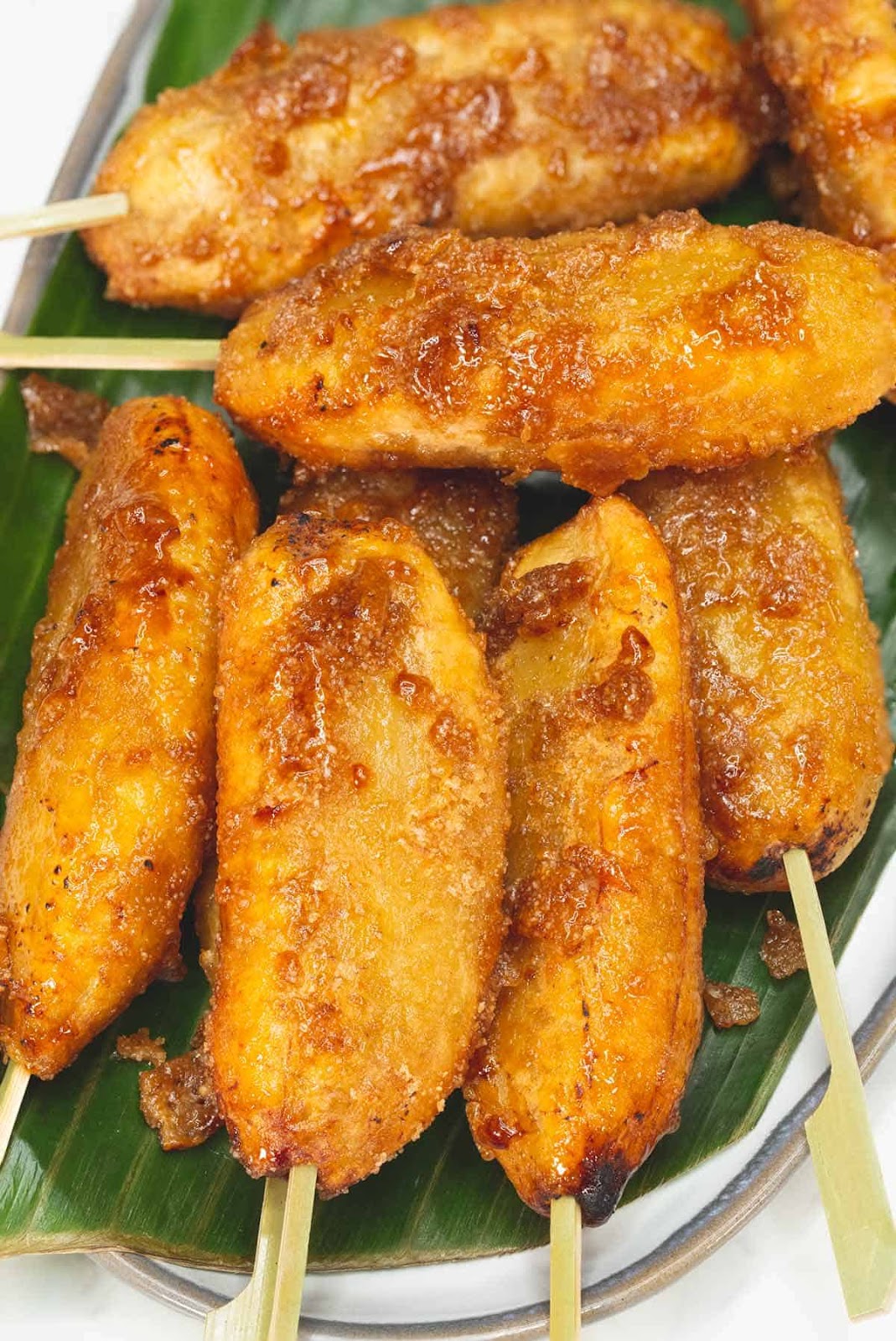
8. Banana Cue

No matter how old you are, there's something undeniably comforting about indulging in caramelized banana skewers, known as Banana Cue.

Image source

This Filipino merienda is a nostalgic treat that brings back memories of carefree days and simple pleasures. This merienda is made with saba bananas, which are firmer than regular bananas, making them perfect for caramelizing.

The bananas are skewered onto bamboo sticks, then fried with brown sugar until they turn golden brown.


ATTRACTIONS TO SEE IN MANILA 

Klook.com

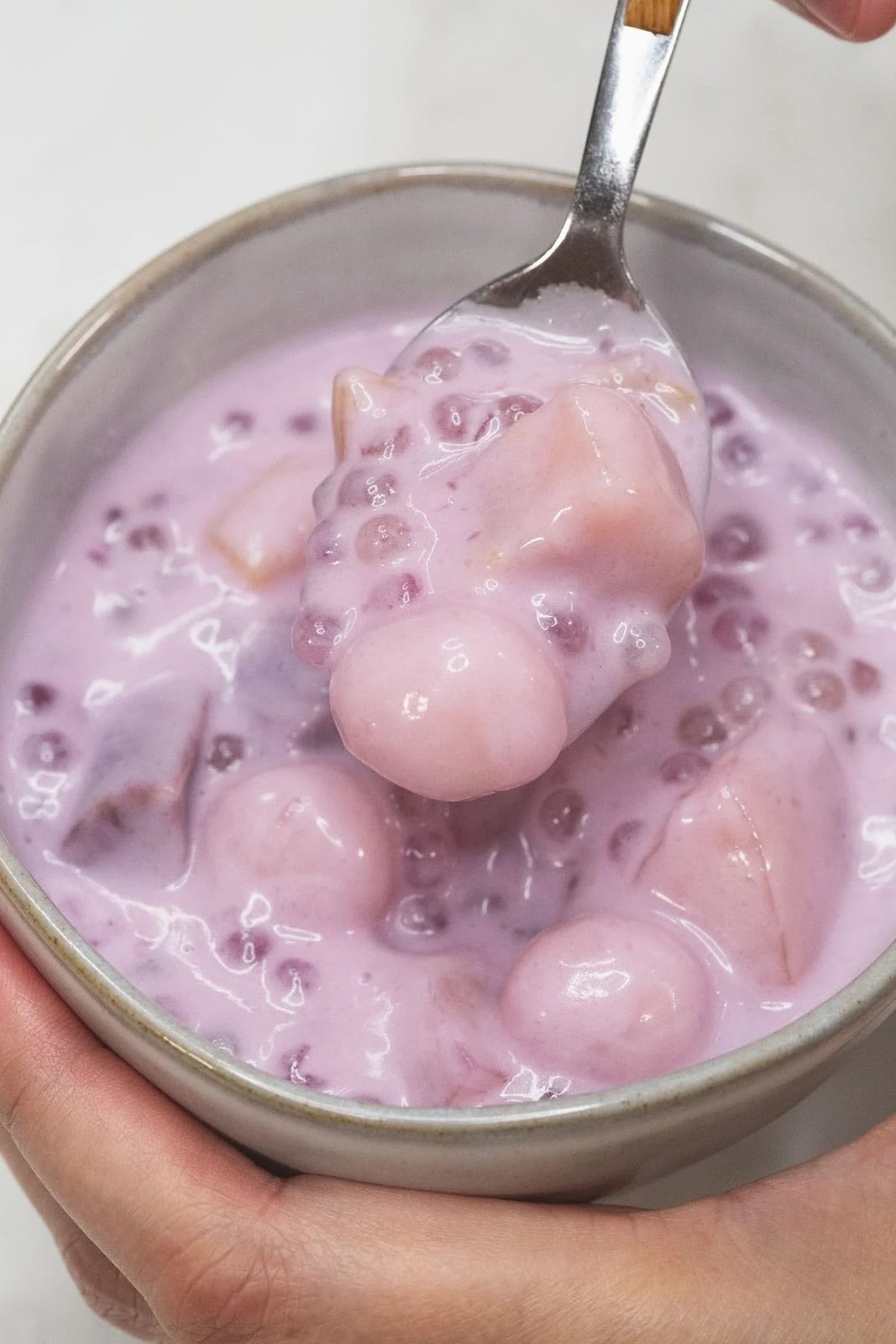
9. Ginataang Bilo Bilo

Ginataang Bilo Bilo is a Filipino merienda that warms both the body and soul. It is perfectly enjoyed on a chilly afternoon.

This delightful dessert soup is made with sticky rice balls, also known as bilo bilo, cooked in creamy coconut milk.

Image source

To make the bilo bilo, glutinous rice flour is mixed with water to form a dough, which is then rolled into small balls. These sticky rice balls are then boiled until they become soft and chewy.

Meanwhile, a mixture of coconut milk, water, sugar, and pandan leaves (optional) is brought to a simmer. Once the broth is ready, the bilo bilo are added and simmered until they float to the surface, a sign that they are cooked through.

Ginataang Bilo Bilo also contains plantain bananas, jackfruit, and sweet potatoes that add heartiness to the dish.


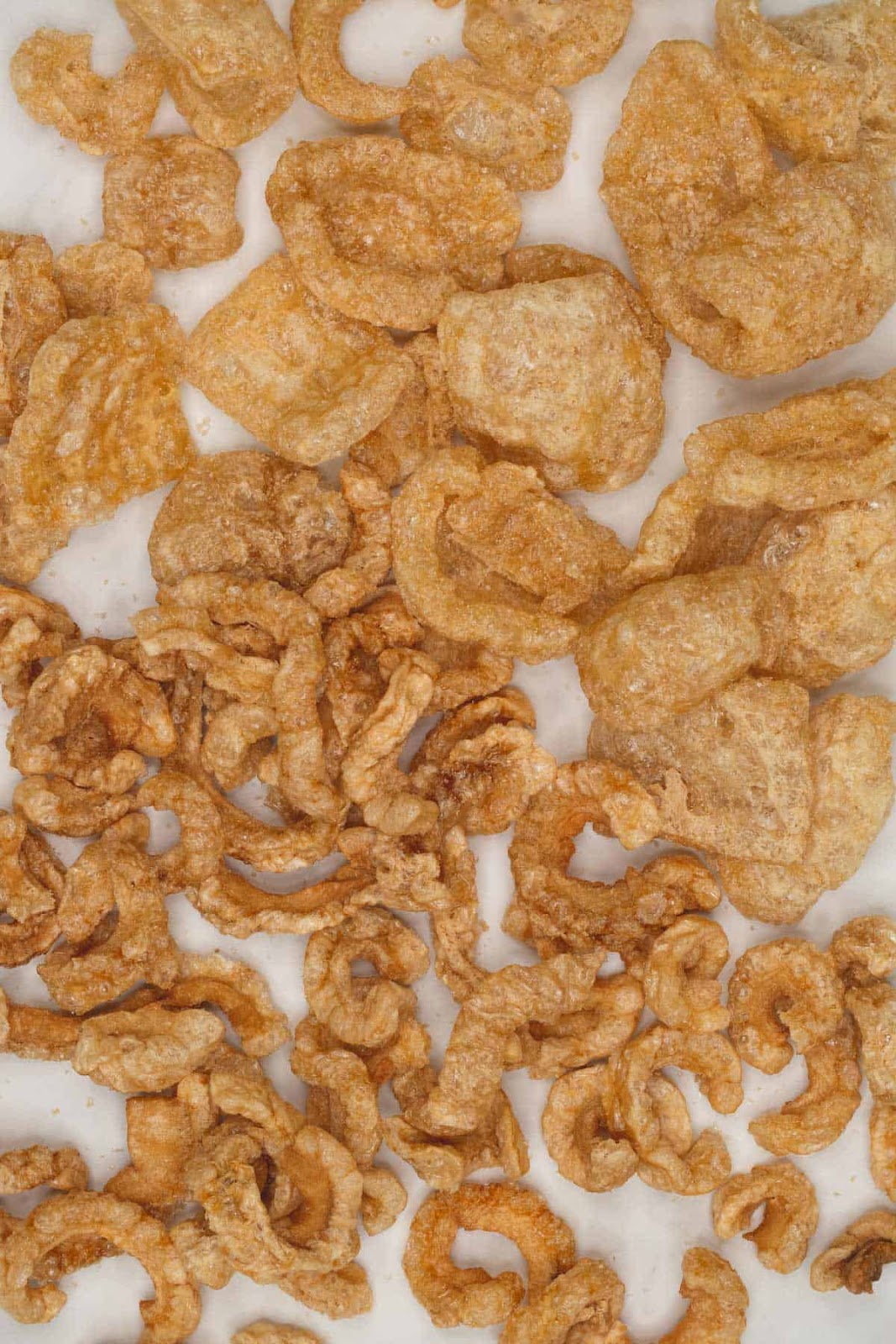
10. Pork Chicharon

If you love pork, then you're in for a treat with Pork Chicharon. This Filipino merienda is the epitome of indulgence, offering a crunchy and savory delight that is hard to resist.

To make Pork Chicharon, pork skin is first boiled until tender, then dried to remove excess moisture.
Once dried, the pork skin is deep-fried until it puffs up and turns into crispy golden goodness. The result is a snack that is both light and airy while still packing a punch of flavor.

Pork Chicharon is often enjoyed with a dipping sauce made from vinegar, soy sauce, red onions, garlic, and chili.


11. Pares

Although it's considered a merienda, Pares is a filling and satisfying dish that can be enjoyed any time of the day. In fact, it’s a favorite of many Filipinos after a night out.

This Filipino comfort food consists of tender beef simmered in a flavorful sauce, served with garlic fried rice and a side of clear soup.

The beef for Pares is typically braised for hours in a mixture of soy sauce, sugar, garlic, star anise, and other aromatic spices. The slow cooking process allows the meat to become incredibly tender and infused with the rich flavors of the marinade.

As the beef cooks, the sauce thickens and develops a deep, savory taste that pairs perfectly with rice.


12. Chicken Mami

Another comforting merienda that warms the soul is Chicken Mami. This Filipino noodle soup is reminiscent of rainy afternoons and cozy moments at home.

The key to a delicious Chicken Mami lies in its rich and flavorful broth. A whole chicken, along with garlic, onions, peppercorns, and bay leaves, is simmered for hours to create a savory base that will make your taste buds happy.

Thin egg noodles are then cooked separately until al dente, ensuring that they retain their satisfying chewiness. The noodles are then placed in bowls and topped with tender chicken slices, egg, blanched vegetables, and chopped scallions.

The piping hot broth is ladled over the noodles, creating a comforting and aromatic bowl of Chicken Mami.

You can add pepper, soy sauce, fish sauce, and calamansi to taste, allowing each individual to customize their bowl of Chicken Mami according to their preferences.

For more authentic Filipino merienda recipes, check out Recipes by Nora.

Best Filipino Merienda Recipes to Try


In the rich tapestry of Filipino Christmas traditions, the scent of puto bumbong wafting through the air is a distinctive and cherished experience. This purple-hued rice cake, traditionally enjoyed during the holiday season, holds a special place in the hearts of Filipinos.


What is Puto Bumbong

Puto bumbong is a traditional Filipino delicacy that holds a special place in the hearts of Filipinos, especially during the Christmas season. This purple-colored rice cake is steamed in bamboo tubes, giving it a distinctive shape and a unique flavor.


Puto bumbong is often enjoyed after attending Simbang Gabi, a series of pre-dawn Masses leading up to Christmas Day.

Loading...

LOOKING FOR KITCHEN OR DINING NEEDS?

Here are the best options to shop for your kitchenware and dining essentials:

Shopee is my go-to app for things I needed like the ones above. If you'd like discounts and vouchers, you may get the best offers here:

How to Make Puto Bumbong

Bring the festive spirit into your home by learning how to make puto bumbong with this simple yet delightful recipe.


Ingredients

  • 2 cups malagkit (glutinous rice)
  • 1/2 cup pirurutong (black rice)
  • 1/2 cup white sugar
  • 1 teaspoon salt
  • Banana leaves (for wrapping)
  • Butter or margarine (for brushing)
  • Grated coconut, freshly grated and steamed (for topping)
  • Muscovado sugar (for sprinkling)


Instructions


1. Soak the Rice: Combine malagkit and pirurutong in a bowl. Wash them thoroughly, then soak them in water overnight.

2. Grind the Rice: Using a grinder or a food processor, grind the soaked rice until it forms a smooth batter.

3. Steam the Batter: Add sugar and salt to the batter. Pour the mixture into puto bumbong molds, which are small bamboo tubes lined with banana leaves. Steam the batter until it sets and becomes firm.

4. Assemble and Steam: Spoon the ground rice mixture onto pre-cut banana leaves. Roll the leaves into a cylinder shape, sealing the edges. Place the wrapped rice cylinders into a steamer and cook until fully set.


5. Unwrap and Brush with Butter: Once cooked, carefully unwrap the banana leaves. Brush each puto bumbong with butter or margarine to add a rich, savory flavor.

6. Serve and Top: Place the puto bumbong on a serving plate and sprinkle it generously with freshly grated coconut. Add a touch of sweetness by sprinkling muscovado sugar on top.

7. Enjoy Warm: Puto bumbong is best enjoyed fresh and warm. Serve it immediately and savor the unique flavor and texture of this beloved Filipino treat.

8. Share the Joy: Gather your loved ones, share the joy of making puto bumbong, and indulge in this iconic Filipino Christmas delight together.


ATTRACTIONS TO SEE IN MANILA 

Klook.com

Bringing the cherished taste of puto bumbong into your home is not just a culinary endeavor; it's a journey into the heart of Filipino Christmas traditions. As the aroma fills your kitchen and the vibrant colors adorn your table, you're not just making a delicious treat – you're crafting memories that echo the warmth and love of the holiday season.


How to Make Puto Bumbong (Recipe and Ingredients Guide)


Here's a guide to cooking Bicol Express, the spicy dish we love!


Bicol Express is a popular Filipino dish hailing from the Bicol Region, known for its bold flavors and spicy kick. This savory and creamy concoction showcases the region's love for coconut-based dishes, blended with the distinctive heat of local chilies.

ALSO: How to Cook Laing (Recipe and Ingredients)

Loading...

Bicol Express Ingredients

  • 500g pork belly, thinly sliced
  • 2 cups coconut milk
  • 1 cup coconut cream
  • 5-8 Thai bird's eye chilies, chopped (adjust to taste)
  • 4 cloves garlic, minced
  • 1 large onion, finely chopped
  • 2 tablespoons shrimp paste (bagoong alamang)
  • 2 tablespoons cooking oil
  • Salt and pepper to taste


LOOKING FOR KITCHEN OR DINING NEEDS?

Here are the best options to shop for your kitchenware and dining essentials:

Shopee is my go-to app for things I needed like the ones above. If you'd like discounts and vouchers, you may get the best offers here:

Cooking Instructions


STEP 1. Prepare the Pork
  • Slice the pork belly into thin strips, ensuring they cook quickly and absorb the flavors.

STEP 2. Sauté Aromatics
  • In a pan over medium heat, sauté the minced garlic and chopped onions in cooking oil until aromatic and translucent.


STEP 3. Add Pork Slices:
  • Add the sliced pork to the pan. Cook until the pork turns brown and caramelizes a bit, enhancing the dish's flavor.

STEP 4. Incorporate Shrimp Paste
  • Stir in the shrimp paste (bagoong alamang). This ingredient adds a savory umami flavor to the dish.

STEP 5. Introduce Thai Bird's Eye Chilies
  • Add the chopped Thai bird's eye chilies to the pan. Adjust the quantity based on your desired level of spiciness.


STEP 6. Pour in Coconut Milk
  • Pour in the coconut milk, allowing the pork to simmer and absorb the rich coconut flavor. Let it cook for around 15-20 minutes or until the pork is tender.

STEP 7. Simmer with Coconut Cream
  • Once the pork is tender, pour in the coconut cream to create a creamy and luscious sauce. Simmer for an additional 10 minutes.

STEP 8. Season to Taste
  • Season the Bicol Express with salt and pepper to taste. Adjust the seasoning to achieve the perfect balance of flavors.

STEP 9. Serve Hot
  • Once the sauce thickens and the pork is cooked to perfection, remove the pan from heat. Serve the Bicol Express hot over steamed rice.

Garnish (Optional)
  • Garnish with additional chopped chilies on top for those who love an extra kick of heat.


ATTRACTIONS TO SEE IN MANILA 

Klook.com

Serving Tips

  • For a milder version, reduce the number of Thai bird's eye chilies.
  • Adjust the thickness of the sauce by controlling the amount of coconut milk and cream.
  • Experiment with pork cuts like shoulder or loin based on your preference.

Now, savor the authentic flavors of Bicol Express – a delightful blend of coconut, pork, and chilies that captures the essence of Bicolano cuisine. Enjoy this spicy and creamy dish with friends and family!


How to Cook Bicol Express (Recipe and Ingredients)


In the heart of Filipino Christmas celebrations, the delightful aroma of bibingka wafting through the air is a familiar and cherished experience.


What is Bibingka?

Bibingka is a traditional Filipino rice cake that holds a special place in the country's culinary heritage. This delectable treat is often associated with the Christmas season, but it is enjoyed throughout the year, especially during various celebrations and events. Bibingka comes in different regional variations, each offering a unique twist on this beloved dessert.

Loading...

LOOKING FOR KITCHEN OR DINING NEEDS?

Here are the best options to shop for your kitchenware and dining essentials:

Shopee is my go-to app for things I needed like the ones above. If you'd like discounts and vouchers, you may get the best offers here:

Key Characteristics


1. Ingredients
The main ingredients for bibingka typically include rice flour, coconut milk, sugar, and sometimes eggs. The batter is poured into a banana leaf-lined mold before baking.

2. Cooking Method
Traditional bibingka is cooked using a special clay oven called a "bibingkaan" or a makeshift version using a large, flat pan with live coals both above and below. The banana leaves contribute a distinct aroma and flavor to the cake.

3. Toppings
Bibingka is known for its toppings, which enhance its flavor and texture. Common toppings include salted duck eggs (itlog na maalat), cheese, butter, and grated coconut. These toppings add a delightful mix of sweet, salty, and savory notes.

4. Variations
Different regions in the Philippines have their own variations of bibingka, each showcasing the diverse culinary influences across the archipelago. Some versions may incorporate additional ingredients like kesong puti (white cheese) or even chocolate.


Occasions and Traditions

Bibingka in the Philippines is usually sold by many during the Christmas season. However, a plenty of stores across the country regularly serve this rice cake treat:

  • Christmas Season: Bibingka is particularly popular during the Christmas season and is often enjoyed after Simbang Gabi, a series of pre-dawn Masses leading up to Christmas Day. It is a staple in the array of festive Filipino kakanin (rice-based snacks).

  • Simbang Gabi Tradition: Many Filipinos have a tradition of attending Simbang Gabi and then indulging in bibingka and puto bumbong (another Christmas delicacy) as a post-Mass treat with family and friends.

  • Street Food Stalls: Bibingka is not limited to home kitchens; it is also a favorite street food sold by vendors who set up makeshift stalls with charcoal stoves and clay ovens. These stalls add to the festive atmosphere in local markets and streets.


How to Make Bibingka

Here's a simple recipe to guide you through the process of making delicious bibingka in your own kitchen:


Bibingka Ingredients

  • 2 cups rice flour
  • 1 cup glutinous rice flour
  • 1 1/2 cups sugar
  • 1 tablespoon baking powder
  • 1/2 teaspoon salt
  • 3 eggs
  • 1 1/2 cups coconut milk
  • 1/2 cup evaporated milk
  • 1/4 cup melted butter
  • Banana leaves (for lining the mold)
  • Salted eggs, sliced into thin rounds (optional)
  • Grated coconut (for topping)


Instructions


1. Prepare the Banana Leaves: Cut banana leaves into squares, large enough to line the bottom and sides of your baking pan. Pass the leaves over an open flame to make them pliable and to give the bibingka a nice aroma. Wipe them clean.

2. Preheat Your Oven: Preheat your oven to 375°F (190°C).

3. Mix Dry Ingredients: In a large mixing bowl, combine the rice flour, glutinous rice flour, sugar, baking powder, and salt.

4. Add Wet Ingredients: In a separate bowl, beat the eggs and then add coconut milk, evaporated milk, and melted butter. Mix well.

5. Combine Mixtures: Gradually add the wet mixture into the dry ingredients. Stir until you achieve a smooth batter.

6. Assemble Bibingka: Line your baking pan with banana leaves. Pour the bibingka batter into the pan. Add salted egg slices on top if desired.

7. Bake: Bake in the preheated oven for about 25-30 minutes or until a toothpick inserted in the center comes out clean. The top should be golden brown.

8. Coconut Topping: While the bibingka is baking, toast grated coconut in a pan until golden brown. This will be used as a topping.

9. Serve: Once the bibingka is done, take it out of the oven and sprinkle the toasted grated coconut on top. Allow it to cool slightly before slicing.

10. Enjoy: Serve warm and enjoy the delightful taste of homemade bibingka, a perfect addition to your holiday festivities.


ATTRACTIONS TO SEE IN MANILA 

Klook.com

In the warmth of your kitchen, creating bibingka becomes more than a culinary venture; it's a journey into tradition, family, and the joy of sharing delicious moments during the holiday season. Gather your loved ones, savor the aroma, and relish the taste of a Filipino Christmas classic made with love.


PINOY DELICACY: How to Make Bibingka (Recipe and Ingredients Guide)


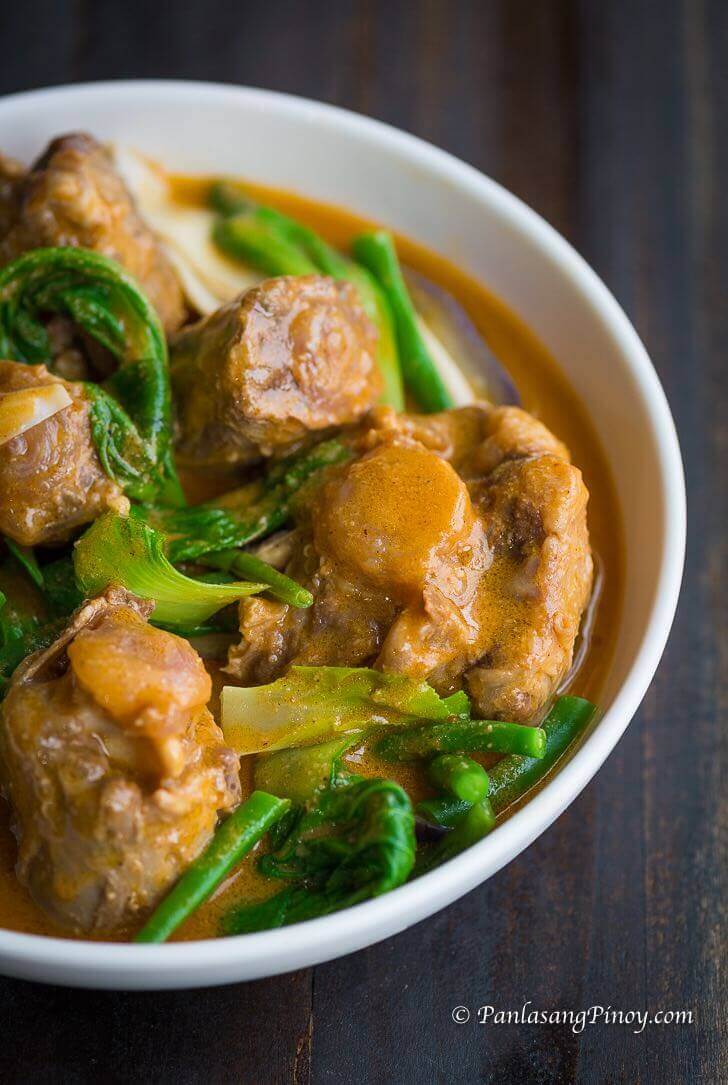
Here's your guide to the popular Filipino dish - Kare Kare


Kare Kare is a type of Filipino stew with a rich and thick peanut sauce. It is a popular dish in the Philippines served during special occasions. The traditional recipe is composed of ox tail. There are instances wherein both ox tripe and tail are used.

The vegetable components of the dish are string beans, eggplant, bok choy, and banana blossoms. Lightly browned toasted ground rice is used to thicken the sauce. The best way to eat kare-kare is to pair it with plain white rice. Bagoong alamang or fermented shrimp paste completes the dish by providing flavor.
Loading...


Kare-Kare Versions

There are several versions of kare-kare. The most common difference of each has something to do with the meat ingredient. We now know that the traditional protein used for this dish is oxtail. Tripe is also a good ingredient to use. There are also versions that make use of other types of meat, and even seafood.


What is Beef Kare-kare?

The traditional version can be considered beef kare-kare. This mainly pertains to versions that use cuts of beef. The ones using beef chuck, beef shank, and Maskara ng Baka or cartilage from the cow’s face are all considered beef kare-kare.


What is Seafood Kare Kare?

Shrimp, crab, mussels, and squid are seafood. There is a version which incorporates all of these ingredients. It is referred to as seafood kare-kare. Fish can also be used.


What is Pata Kare-kare?

Pata refers to pig leg or pork hock. It is the second popular ingredient next to oxtail. People are using this cut of meat because it is cheaper than beef and works well with the other ingredients. I like pata in my kare kare. The thick and tasty sauce complements the tender meat and fat of the pata.


Kare Kare Ingredients

  • 3 lbs oxtail cut in 2 inch slices you an also use tripe or beef slices
  • 1 piece small banana flower bud sliced
  • 1 bundle pechay or bok choy
  • 1 bundle string beans cut into 2 inch slices
  • 4 pieces eggplants sliced
  • 1 cup ground peanuts
  • 1/2 cup peanut butter
  • 1/2 cup shrimp paste
  • 34 Ounces water about 1 Liter
  • 1/2 cup annatto seeds soaked in a cup of water
  • 1/2 cup toasted ground rice
  • 1 tbsp garlic minced
  • 1 piece onion chopped
  • salt and pepper


ATTRACTIONS TO SEE IN MANILA 

Klook.com

ACTIVITIES AND TOURS IN MANILA


How to Cook Kare Kare
  1. In a large pot, bring the water to a boil
  2. Put in the oxtail followed by the onions and simmer for 2.5 to 3 hrs or until tender (35 minutes if using a pressure cooker)
  3. Once the meat is tender, add the ground peanuts, peanut butter, and coloring (water from the annatto seed mixture) and simmer for 5 to 7 minutes
  4. Add the toasted ground rice and simmer for 5 minutes
  5. On a separate pan, saute the garlic then add the banana flower, eggplant, and string beans and cook for 5 minutes
  6. Transfer the cooked vegetables to the large pot (where the rest of the ingredients are)
  7. Add salt and pepper to taste
  8. Serve hot with shrimp paste. Enjoy!


Disclaimer: this recipe is originally published by panlasangpinoy.com

Kare Kare Recipe by Panlasang Pinoy


Here's your complete guide to Jollibee Menu and Delivery.


Jollibee is undoubtedly, the most popular restaurant in the Philippines. The fast-food restaurant serves burgers, delicious chicken, and many noodles and rice meals capturing the Filipino taste.

Jollibee's loved products

The Jollibee menu has always been very appealing to the people with the delicious food and the affordable prices they carry. The Jollibee Foods Corporation has undeniably caught the heart of many Filipino people.

What's new from Jollibee? Visit my list of new products offered by Jollibee (updated from time to time)!

Loading...

LOOKING FOR FOOD VOUCHERS?

Here are the latest discounts and promos from different restaurants and food stores in the Philippines:

Shopee is my go-to app for things I needed like the ones above. If you'd like discounts and vouchers, you may get the best offers here:

About Jollibee

Jollibee was founded by Tony Tan Caktiong, who started a Magnolia ice cream parlor in Cubao.

Tony Tan Caktiong
They began selling hot food items along with the ice cream and when the food started outselling the ice cream, the ice cream parlor was converted into the first Jollibee.

Jollibee Foods Corporation started operating in January 1978 and experienced a rapid expansion in Metro Manila, having 7 branches up and running by the end of the same year.

The First Jollibee
The Jollibee menu was so successful that it was able to stand its ground during the introduction of larger, more popular Western fast food franchises to the Philippines, offering local tastes in contrast to the American flavors.

With Jollibee’s tagline “Bida ang Saya!” meaning ‘Happiness is the star’, Jollibee brings joy to so many Filipinos worldwide.

Local Filipinos celebrate birthdays, promotions, happy occasions with Jollibee. One of the places Balikbayan or returning Filipinos from abroad visit is Jollibee.


Filipinos abroad who miss their home visit Jollibee. Needless to say, Jollibee has become a Filipino staple.

Over the decades, Jollibee has expanded to several different countries in Asia and North America, with plans to expand further into Europe and Australia.

A Jollibee Store in San Diego, California, USA


ALSO READ: List of Jollibee Menu and Branches in the US (Location & Delivery)

Jollibee continues to expand and refine their menu, as you see here today. It’ll be interesting to see how their team changes the menu based on what the ever changing tastes of the local Filipinos.


Jollibee Menu

What are the food on the menu of Jollibee Foods Corporation or Jollibee menu? The menu of Jollibee Foods Corporation contains the all-time Pinoy favorite food. Here is the latest and most updated Jollibee menu with prices in the Philippines:


Burgers

Yumburger Value Meal Y1
  • Yum Burger Value Meal [Y1] ₱86.00
  • Yum Burger Cheese Value Meal [Y2] ₱96.00
  • Bacon Cheese Yumburger Meal [Y3] ₱110.00
  • Yumburger Cheese Deluxe Meal [Y4] ₱120.00
  • Bacon Deluxe Cheese Yumburger Meal [Y5] ₱130.00
  • Amazing Aloha Yumburger Value Meal [Y6] ₱135.00
  • Yum Burger Champ Value Meal [Y7] ₱195.00
  • Bacon Champ Value Meal [Y8] ₱230.00
  • Amazing Aloha Champ Value Meal [Y9] ₱245.00


Jolly Hotdog

Jolly Hotdog Cheesy Classic H1
  • Jolly Hotdog Cheesy Classic w/ Drink [H1] ₱80.00
  • Jolly Hotdog Cheesy Classic w/ Fries & Drink [H2] ₱120.00
  • Jolly Hotdog Cheesy Classic w/ Fries & Float [H3] ₱125.00


Rice Meals

  • 1 pc Burger Steak w/ Drink [B1] ₱65.00
  • 2 pc Burger Steak w/ Drink [B2] ₱90.00
  • 1 pc Burger Steak with 3 pcs Shanghai w/ Drink [B3] ₱109.00
  • 1 pc Burger Steak w/ Fries & Drink [B4] ₱79.00
  • Ultimate Burger Steak w/ Egg Meal & Drink ₱190.00
  • Ultimate Burger Steak w/o Egg Meal & Drink ₱175.00
  • Burger Steak Family Pan 6pcs [B7] ₱255.00
  • Burger Steak Family Pan 8pcs [B8] ₱339.00
Jolly Spaghetti S4


    Jolly Spaghetti

    • Jolly Spaghetti w/ Drink [S1] ₱65.00
    • Jolly Spaghetti w/ Fries & Drink [S2] ₱95.00
    • Jolly Spaghetti w/ Yumburger & Drink [S3] ₱95.00
    • Jolly Spaghetti w/ Cheesy Yumburger & Drink [S4] ₱110.00
    • Jolly Spaghetti w/ Burger Steak & Drink [S5] ₱99.00


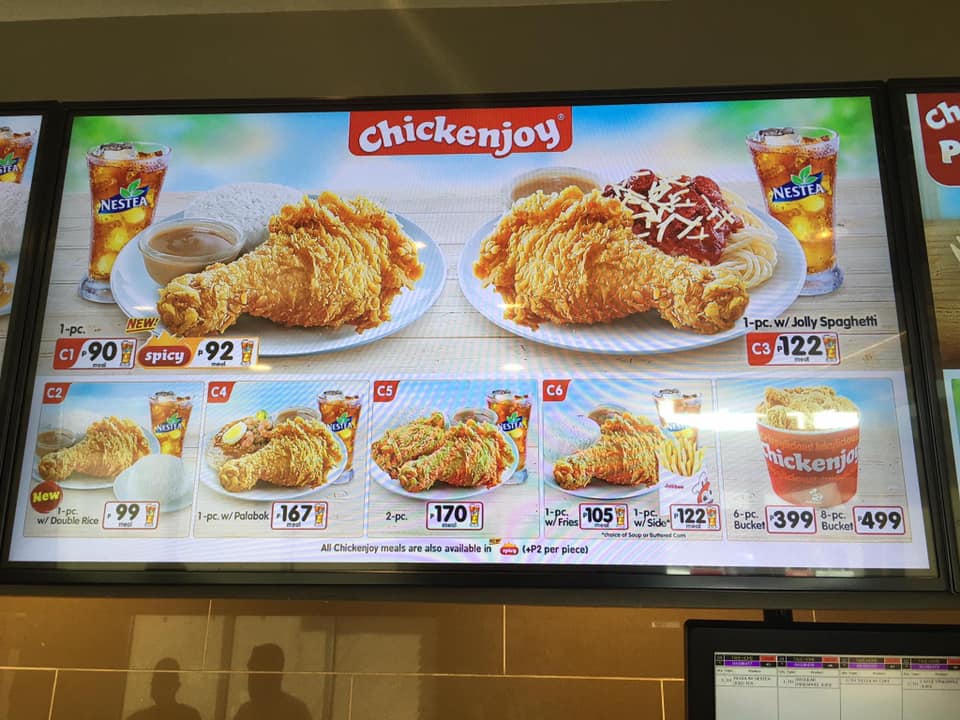
    Chickenjoy

    Chickenjoy Meal C1
    • 1 pc Chickenjoy w/ Rice & Drink [C1] ₱95.00
    • 1 pc Chickenjoy w/ Double Rice & Drink [C2] ₱99.00
    • 1 pc Chickenjoy w/ Jolly Spaghetti & Drink [C3] ₱125.00
    • 1 pc Chickenjoy w/ Palabok & Drink [C4] ₱175.00
    • 2 pcs Chickenjoy w/ Rice & Drink [C5] ₱170.00
    • 1 pc Chickenjoy w/ Rice, Fries & Drink [C6] ₱105.00


    Chicken Joy Bucket

    • 6 pc Chickenjoy Bucket ₱399.00
    • 8 pc Chickenjoy Bucket ₱499.00


    Family Super Meals

    • Family Meal A - 6 pieces Chickenjoy Bucket, 3 rice, 3 sides, 3 sundaes, 3 drinks ₱599.00
    • Family Meal A - 8 pieces Chickenjoy Bucket, 4 rice, 4 sides, 4 sundaes, 4 drinks ₱799.00
    • Family Meal B - 6 pieces Chickenjoy Bucket, 3 spaghetti, 3 rice, 3 drinks ₱550.00
    • Family Meal B - 8 pieces Chickenjoy Bucket, 4 spaghetti, 4 rice, 4 drinks ₱799.00


    Sides & Soup

    • Jolly Crispy Fries (Regular) ₱42.00
    • Jolly Crispy Fries (Large) ₱60.00
    • Jolly Crispy Fries (Jumbo) ₱75.00
    • 1 pc Original Tuna Pie w/ Fries & Drink [P2] ₱89.00
    • 1pc Peach Mango Pie (Solo) ₱30.00
    • 1pc Buko Pie (Solo) ₱30.00
    • 1pc Ube Macapuno Pie (Solo) ₱30.00

    Jollibee Kiddie Meals

    • Yum Burger with Reg. Pineapple Juice + Toy ₱110.00
    • Jolly Spaghetti with Reg. Pineapple Juice + Toy ₱116.00
    • 1 pc Chickenjoy with Reg. Pineapple Juice + Toy ₱157.00
    • Burger Steak with Reg. Pineapple Juice + Toy ₱116.00


    Breakfast Menu

    • 2 pc Pancake w/ Drink ₱83.00
    • Hotdog w/ Garlic Rice, Fried Egg & Drink ₱109.00
    • Breakfast Burger Steak w/ Garlic Rice, Fried Egg & Drink ₱109.00
    • Beef Tapa w/ Garlic Rice, Fried Egg & Drink ₱142.00
    • Corned Beef w/ Garlic Rice, Fried Egg & Drink ₱142.00
    • Longganisa w/ Garlic Rice, Fried Egg & Drink ₱142.00
    • Bacon, Egg & Cheese Pancake Sandwich w/ Drink ₱88.00
    • Egg & Cheese Pancake Sandwich w/ Drink ₱77.00
    • Egg & Cheese Sandwich w/ Drink ₱72.00


    Desserts and Floats

    • Chocolate Sundae Twirl ₱30.00
    • Coke, Sarsi or Royal Floats ₱37.00
    • Vanilla Cone Twirl ₱10.00
    • Chocolate Cone Twirl ₱15.00
    • Mini Sundae Twirl ₱26.00


    Jollibee Menus in 2020

    Here are samples of Jollibee menu in the Philippines:

    Jollibee Menu

    Jollibee Menu

    Jollibee Menu

    Jollibee Menu

    You can order your favorite Jollibee food on GrabFoodfoodpanda, Shopee or Lazada!

    Important note: Prices may vary per branch


    ATTRACTIONS TO SEE IN MANILA 

    Klook.com

    Jollibee Menu Bestsellers

    Thinking of the bestseller food in Jollibee? Here are must-try food that you shouldn't miss from Jollibee:


    Jollibee Chickenjoy

    Being one of the main items offered by Jollibee, this crispy fried chicken is definitely a Pinoy favorite by many. As they say, it’s crispylicious and juicylicious! Don’t forget to pair it with their gravy! It’s perfect in a bucket meal for the whole family.

    Jollibee Chickenjoy

    Don’t feel like sharing? No problem – get some of their amazing Chickenjoy in a meal and keep it all for yourself!


    Jolly Spaghetti

    This Filipino style spaghetti of Jollibe isn’t like any other you’d see elsewhere. It’s quite sweet and tangy – just how Filipinos like it.

    Jolly Spaghetti


    Yumburger

    The classic Yum burger is a simple but scrumptious option and remains one of the best sellers on the Jollibee menu. The special dressing, combined with the soft bun, makes the burger a tasty snack from start to finish.

    Yumburger

    However, if you’re looking for a little something to add onto it, you can go for the Cheesy Yum burger. This comes with a slice of cheese, perfectly complementing the already fantastic flavor profile.


    Jollibee Champ

    Of course, you can also choose some of their delicious burger as well. The Champ is Jollibee’s iconic burger, with its 1/3 pound, 100% pure beef patty and delicious sliced cheese garnished with fresh tomato and lettuce, all tucked between soft sesame seed buns.

    Jollibee Champ

    Its cheesy bacon mushroom variant has bacon strips and mushrooms in creamy cheese for extra flavor with every bite.

    You can order your favorite Jollibee food on GrabFoodfoodpandaShopee or Lazada!

    Important note: Prices may vary per branch


    Jolly Kiddie Meal Menu

    For the young ones, Jollibee has Kiddie Meals for them! They can choose from a yumburger (₱91.00) or a jolly spaghetti (₱107.00) – which includes a Jolly Kiddie meal Toy and a drink!

    Jolly Kiddie Meal in February 2022

    The Kiddie toy included in your kid’s meal would differ depending on Jollibee’s current offering so make sure to check the branch you’re visiting!


    Jollibee Delivery

    With more than 1,000 branches nationwide, Jollibee can deliver food right to your doorstep. The number to call varies in different parts of the country so be sure to check their website to make sure which number to dial.

    Jollibee Delivery Riders

    If you’re in Metro Manila, you can call #87000 for their delivery hotline and have the nearest store bring your order within the hour.

    You can also place your order thru their online delivery via jollibeedelivery.com

    Delivery times and opening times of stores also change depending on where you are. Some places generally offer their services until 1:00 in the morning but some branches in busy areas can deliver 24/7, while others are open for dine-in around the clock but only deliver until a certain time.

    You can also order your favorite Jollibee food on GrabFoodfoodpandaShopee or Lazada!

    Important note: Prices may vary per branch


    Jollibee 24 Hours Delivery

    Craving for Jollibee Chicken Joy or Yumburger? Here's a list of Jollibee branches open 24 Hours for delivery and/or drive-thru in Metro Manila.


    Jollibee Contacts & Customer Service

    You can reach Jollibee by the following:
    If need to speak to their customer service, you can contact Jollibee customer care hotline on +63 2 898 777 or send an SMS to +63 917 131 8000. Otherwise, you can send an email to feedback@jollibee.com.ph.


    ACTIVITIES AND TOURS IN MANILA


    Jollibee Promos

    Of course, what’s a restaurant without promos? Every so often, Jollibee comes up with different promotional discounts and limited edition food offerings.

    If you’re planning to visit a Jollibee branch in the Philippines soon, avail of Sharetreat Jollibee vouchers from Lazada! You can have your discounted 6pc Chicken Joy Bucket, Jolly Spaghetti, or even a Jollibee Peach Mango Pie.

    Below are the current promos by Jollibee:


    FAQ: Jollibee Frequently Asked Questions

    Here are the most asked questions about Jollibee:

    Are Jollibee Fries Vegan?

    No it’s not. Vegetarian? Hmm, it’s hard to tell for sure if the Jollibee fries are vegan so to be on the safe side, let’s say no. However, according to the Jollibee Canada website, the Jolly fries are Lacto-Vegetarian. This means that there’s not meat or eggs but it may contain dairy. This doesn’t mean that if Jollibee Canada’s Jolly fries are Lacto-Vegetarian, all Jolly fries are the same. 

    Based on the Jollibee Canada website, here are some of the options for different food diets: For the lacto-vegetarian, you can have the Peach Mango Pie, French Fries, Rice, Mashed Potato, Gravy, Pineapple Quencher or Coffee. For the ovo-vegetarian, you can have the Rice, Pineapple Quencher, and Coffee. For the vegan, Rice, Pineapple Quencher, and Coffee. For a gluten free diet, you can have Rice, Mashed Potato (Without Gravy), Pineapple Quencher, Coffee.

    Of course, we must emphasize the disclaimer. This guide was for Jollibee Canada and there is no assurance that the same applies to branches around the world. It’s best to ask your local stores to know if it’s the same for your country!

    Are Jollibee Fries Gluten free?

    No, they’re not.

    For other allergy or dietary concerns, you can check out Jollibee Philippines’ Allergen menu.

    Who owns Jollibee?

    Jollibee was founded by Tony Tan Caktiong. It is now part of a big conglomerate, Jollibee Food Corporation which owns several food franchises around the world including Red Ribbon, Mang Inasal, Coffee Bean and Tea Leaf and Smashburger. 

    Is Jollibee halal?

    It depends on the country. Not all Jollibee branches around the world are halal certified. In the Philippines, it’s unknown if Jollibee is halal certified. If it is, it’s not advertised.

    What’s sure is, some countries like Jollibee Malaysia, and Jollibee Singapore are halal certified.

    In which countries is Jollibee in?

    Jollibee has opened up branches around the world. You can find Jollibee in the US, Malaysia, Singapore, Dubai, Canada, UK, Italy, Vietnam, Brunei, Saudi Arabia, United Arab Emirates, Qatar, Oman, Kuwait, Bahrain, and the special territories of Hong Kong and Macau!


    IMPORTANT NOTE: The rates, contact details and other information indicated in this post are accurate from the time of writing but may change without IMFWJ's notice. Should you know the updated information, please let us know by leaving a message in the comment box below.

    Jollibee Menu Prices and Delivery (Number and Website)