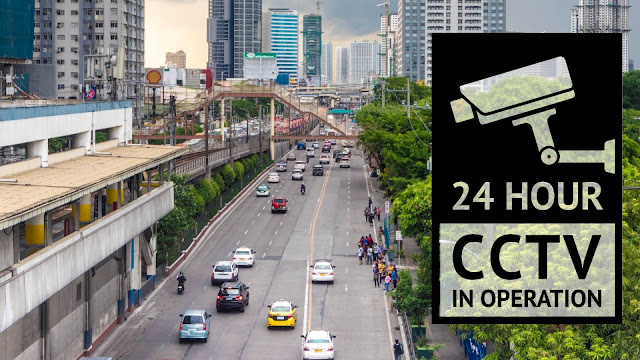
Showing posts with label Driving. Show all posts

Binondo, the world’s oldest Chinatown, is a sensory delight of incredible food, historical charm, and bustling commerce. However, for those driving in, it is notoriously challenging to navigate. Finding a secure and reliable parking spot is often the most stressful part of the journey.

To ensure your visit is focused on your food trip or business rather than finding a spot for your car, here is your essential guide to parking in Binondo.


Top Recommended Parking Facilities

For peace of mind and the safety of your vehicle, stick to designated parking buildings and malls.

Lucky Chinatown Mall

1. Lucky Chinatown Mall

This is widely considered the most convenient and secure option for visitors.

Why choose it: It offers a multi-level indoor parking facility, which keeps your car protected from the elements.

Pro Tip: If you are planning a weekend trip or visiting during peak lunch hours, aim to arrive as soon as the mall opens. By mid-day, the parking levels (especially the higher ones) can fill up, and the exit lines can become quite long.


2. Escolta Car Park

Located at 220a Escolta Street (near the corner of Yuchengco Street), this is a reliable alternative if you are exploring the heritage side of the district.

Escolta

Why choose it: It is a dedicated 5-storey parking building with security features like CCTV and guards.

Capacity: It accommodates both cars and motorcycles.

Details: It is centrally located near many historical landmarks and local businesses.


Street Parking: The Gamble

While you may see street parking available along areas like Ongpin, Sto. Cristo, Veronica St., or Soler St., it is often considered a "gamble."

  • Risks: Street parking is limited and highly competitive. You run the risk of vehicle scratches, unauthorized "attendants" demanding fees, or even being ticketed/towed if you accidentally park in a restricted zone.

  • Best Practice: If you must use street parking, ensure you are in a clearly marked legal slot. Never leave valuables visible inside your vehicle. Be prepared to pay the local parking fee, but be wary of "unofficial" parking collectors who do not issue legitimate tickets.


Quick Tips for a Smoother Experience


Go Early: Whether you choose a mall or an open-air lot, arriving before 10:00 AM drastically increases your chances of finding a good spot and avoids the heavy "lunch rush" traffic.

Consider Alternatives: If you are coming from further away (such as Cavite or the Southern Metro), many visitors prefer to park at major transport hubs like PITX and take the LRT to avoid the Binondo traffic entirely.


Walking is Key: Binondo is a compact, pedestrian-friendly district. Once you find a secure parking spot in a mall like Lucky Chinatown, it is often faster and less stressful to walk to your final destination (like a specific bakery or restaurant on Ongpin) than it is to drive from one spot to another.

Lock and Hide: Regardless of where you park, always lock your car and ensure no bags, gadgets, or loose items are visible through the windows.

Safe travels and enjoy your BINONDO FOOD CRAWL!


WHERE TO STAY IN MANILA

Here's a list of hotel accommodation you can book in Manila:


ALSO IN MANILA


IMPORTANT NOTE: The rates, contact details and other information indicated in this post are accurate from the time of writing but may change without IMFWJ's notice. Should you know the updated information, please let us know by leaving a message in the comment box below.

Where to Park in Binondo: A Stress-Free Carpark Guide in Manila


The Podium has issued a public advisory announcing a new set of parking rates and fees that will take effect on October 1, 2025.


The new structure revises the pricing for both weekdays and weekends, as well as introducing new rates for overnight parking and lost tickets.

RELATED: Ayala Malls Glorietta, Greenbelt, and One Ayala Announce New Parking Rates 


According to the advisory, the new weekday rate will be P50 for the first three hours, with an additional P50 for every succeeding hour. This marks a change from the previous P30 per succeeding hour rate.


On weekends and holidays, the parking fee will be a fixed rate of P50, which remains unchanged from the previous fixed weekend rate.


Other new fees include a P300 charge for overnight parking after 3:30 a.m. and a P200 fee for lost or damaged tickets. The overnight parking fee is in addition to the regular parking charges incurred.


The Podium Announces New Parking Rates


In an announcement that will affect shoppers and visitors, the management of Power Plant Mall has released an advisory detailing new parking rates, which will take effect on August 20, 2025.


The updated rates apply to both regular and valet parking services for cars and motorcycles.

For regular daily parking, four-wheel vehicles will now be charged a flat rate of ₱70.00 for the first four hours, with an additional ₱30.00 for every succeeding hour.

Motorcycles will see a rate of ₱60.00 for the first four hours, with a ₱10.00 fee for each succeeding hour.

RELATED: Explore Makati for Free with New Walking Tours 

Loading...

Valet parking rates have also been adjusted. The new rate for four-wheel vehicles will be ₱70.00 for the first four hours, with a ₱30.00 charge for each succeeding hour. The advisory also specified a ₱100.00 flat rate for valet parking on weekends and holidays.


For those requiring overnight parking, a new flat rate of ₱1,500.00 will be charged, in addition to the standard parking fees. The cut-off time for overnight parking is from 3:00 AM to 6:00 AM.


The new rates are a significant change for mall patrons and are expected to impact visitors who frequent the upscale shopping center. Customers are advised to take note of the new pricing structure to plan their visits accordingly.


Power Plant Mall Implements New Parking Rates, Effective August 20


The Metropolitan Manila Development Authority (MMDA) has rolled out new digital tools to help motorists stay informed about their No-Contact Apprehension Program (NCAP) violations. With the launch of the mayhulika.mmda.gov.ph website and an upcoming dedicated mobile app, tracking and managing traffic infractions is set to become more transparent and convenient.

This guide will walk you through how to utilize these platforms effectively.


How to Use the 'May Huli Ka' Website (mayhulika.mmda.gov.ph)

The MMDA's new website is your first stop for quickly checking if your vehicle has incurred any NCAP violations. It's designed for straightforward access and now boasts enhanced privacy features.

MayHuliKa website

Purpose: To check for existing NCAP violations, view basic details, and initiate the payment or contestation process.


Step-by-Step Instructions


Loading...

1. Access the Website:

  • Open your web browser (on a desktop computer, laptop, or mobile device).

  • Type the official URL: mayhulika.mmda.gov.ph and press Enter.

2. Enter Your Vehicle Information:

  • On the website's interface, you will find fields to input your vehicle details.

  • Plate or Conduction Number: Accurately type in your vehicle's license plate number (e.g., ABC 1234) or conduction sticker number (e.g., A1B2C3).

  • MV File Number: This is a crucial new security feature. Locate your MV File number on your vehicle's Official Receipt (OR) and Certificate of Registration (CR). This additional layer protects your privacy and ensures compliance with the Data Privacy Act of 2012 (RA 10173), preventing unauthorized access to your violation records.

3. Check for Violations:

  • After entering the required information, click the "Check" or "Search" button (or its equivalent).

  • The system will then query its database for any recorded NCAP violations associated with your vehicle.

4. Review Violation Details (If Any):

  • If a violation is found, the website will display basic details of the infraction. This typically includes the date, time, location, and type of violation.

  • You will then be presented with options.

5. Choose Your Action - Contest or Pay:

  • To Pay the Fine: The website will provide instructions or links to the MMDA’s official online payment channels or direct you to authorized physical payment centers.

  • To Contest the Violation: Information on how to initiate the contestation process will be available. This usually involves submitting a formal appeal with supporting documents within a specified timeframe.


Important Reminders for Website Use


Always ensure you are on the official MMDA website (.gov.ph) to avoid phishing attempts.

Keep your OR and CR handy for the MV File number.

Check regularly, especially if you frequently traverse NCAP-covered areas, to address violations promptly and avoid accumulating penalties.

Check Your NCAP Violations Here!


What to Expect from the Upcoming 'May Huli Ka' Mobile App

The MMDA is developing a dedicated mobile application, expected to roll out within the next one to two months. This app is designed to offer a more comprehensive and interactive experience for motorists.

Purpose: To provide real-time violation notifications, detailed evidence, direct contesting capabilities, and streamlined management for multiple vehicles.


Features and How They'll Work


Text Message Notifications:

  • Once launched, the MMDA plans to send direct text message notifications to vehicle owners when an NCAP violation is recorded against their vehicle. This means you won't always have to proactively check the website; an alert will come to you.

Video Clips of Violations:

  • The app will provide direct access to video clips of your actual road-safety violations. This visual evidence can help you understand the infraction clearly.

  • Benefit: Clear proof of violation, aiding in compliance or preparing a strong contestation.

Direct Contesting within the App:

  • Unlike the website which directs you on how to contest, the app will allow motorists to directly submit their contestation requests and upload supporting documents within the platform itself.

  • Benefit: Streamlined and convenient process for appealing a ticket.

Appointment Scheduling for Contestation:

  • If you need to meet with MMDA representatives for your contestation, the app will have a feature to schedule these appointments directly.

  • Benefit: Avoids long queues and ensures aconfirmed slot for your discussion with the agency.

Multi-Vehicle Management for Fleet Operators/Motorists:

  • For individuals or fleet operators managing multiple cars, the app will allow you to enroll all your vehicles under a single account. This means you can track violations for your entire fleet from one centralized dashboard.

Check Your NCAP Violations Here!


Anticipated Benefits of the Mobile App


Real-time Updates: Get notified quickly about violations.

Evidence-Based Review: Directly view video evidence of your infractions.

User-Friendly Interface: A mobile-optimized experience for easy navigation.

Enhanced Convenience: Manage all aspects of your NCAP violations from your smartphone.


General Tips for NCAP Compliance


Drive Safely: The best way to avoid NCAP violations is to always adhere to traffic laws and drive defensively.

Know the Rules: Familiarize yourself with common NCAP violations (e.g., swerving, disregarding lane markings, illegal turns, beating red lights).

Regularly Check: Until SMS notifications are fully implemented, make it a habit to check the mayhulika.mmda.gov.ph website periodically.

By leveraging these digital platforms, the MMDA aims to make traffic enforcement more effective and accessible, encouraging greater compliance and contributing to smoother traffic flow in Metro Manila


Guide to the MMDA's 'May Huli Ka' Platforms: Tracking NCAP Violations Made Easy


In a significant move to address the increasing number of traffic accidents, Baguio City has officially begun enforcing new, stricter speed limits within its urban areas. Aimed at curbing vehicular incidents and enhancing public safety, the new regulations mandate a maximum speed of 20 kilometers per hour (kph) in the central business district and other major thoroughfares, while a 30 kph limit applies to inner roads.


While a measure mandating these speed limits was initially passed by the city council back in 2019, its implementation is only now coming to fruition. This long-awaited enforcement is the result of a collaborative agreement among key agencies, including the city government, the Baguio City Police Office (BCPO), the Land Transportation Office (LTO), and the Public Order and Safety Division (POSD), along with other concerned stakeholders.


Loading...

The urgency of these new measures is underscored by recent accident statistics. From January 1 to May 29 of this year, Baguio City recorded a alarming 377 traffic accidents, resulting in eight fatalities. This marks a notable increase compared to the same period in 2024, which saw 313 incidents.


Baguio City Mayor Benjamin Magalong emphasized the city's commitment to prioritizing the well-being of its residents and visitors. "This is to underscore the city’s commitment to public safety and the prevention of traffic-related injuries and fatalities," Mayor Magalong stated. "Motorists are strongly urged to comply with these speed limits at all times. Let us work together to keep Baguio’s roads safe for everyone."


Beyond the implementation of new speed limits, the city government is also investing in enhanced traffic enforcement tools. This includes the procurement of advanced speed monitoring devices and sensors to ensure compliance. Furthermore, to combat impaired driving, the city will acquire breathalyzers to assist law enforcement in identifying and apprehending drunk drivers.


Complementing these efforts, the local police will launch Oplan DRIVE (Discipline, Respect, Infrastructure, Vigilance, and Education). This comprehensive initiative aims to foster better driver behavior, improve road infrastructure, and strengthen overall traffic enforcement across the city, contributing to a safer and more orderly traffic environment in the summer capital.


THINGS TO DO IN BAGUIO

If you plan to visit Baguio City, here are top activities you shouldn't miss:


WHERE TO STAY IN BAGUIO

Here are some of the many top hotels with Certificate of Authority to Operate (CAO) from the Department of Tourism in Baguio:

You may also check the full list of hotels and lodging in Baguio. I also wrote Top10 hotels in Baguio on a separate blog.

For directions and bus schedules, check out my Manila to Baguio guide. For those who are driving to Baguio, you may check the fastest way to Baguio. Read my COMPLETE BAGUIO TRAVEL GUIDE to know more about Baguio City.

Baguio City Implements 20-30kph Speed Limit on All Roads

no contact apprehension parañaque no contact apprehension manila no contact apprehension quezon city no contact apprehension valenzuela no contact apprehension valenzuela check no contact apprehension makati check no contact apprehension san juan no contact apprehension caloocan

In the digital age, governments around the world are adopting new ways to enhance road safety, reduce corruption, and ensure efficient traffic law enforcement. One of the most significant developments in traffic management is the No Contact Apprehension Policy (NCAP)—a system where traffic violations are detected and penalized without any physical interaction between traffic enforcers and motorists.


From the bustling streets of New York to the orderly highways of Singapore, NCAP or contactless traffic enforcement has become a crucial tool in modern urban governance.


What Is No Contact Apprehension Policy (NCAP)?

NCAP refers to the contactless enforcement of traffic laws, where cameras, sensors, and automated systems identify violations such as:

  • Overspeeding
  • Beating the red light
  • Illegal parking
  • Driving without helmets or seatbelts
  • Blocking pedestrian lanes or intersections

Violators are then notified through mail, email, or digital platforms, often accompanied by photographic or video evidence. Penalties may include fines, demerit points, or license suspensions.


Loading...

How NCAP Works

The core components of NCAP systems include:

  • CCTV and ANPR Cameras: Automatic Number Plate Recognition cameras detect vehicles and match plate numbers with registration databases.

  • Radar and Laser Speed Guns: Installed on roads or traffic lights to monitor speed.

  • AI and Software Systems: Automatically process violations and generate digital tickets.

  • Back-End Databases: Maintain driver records and ensure traceability of violations.

These systems eliminate the need for face-to-face encounters, reducing the potential for bribery or human error.


Countries Using NCAP or Similar Systems

Here are the countries that implements contactless and automated traffic enforcement:


United States

The U.S. has long used automated traffic enforcement, including:

  • Speed and red-light cameras (in cities like New York, Chicago, and Los Angeles)

  • License plate readers for tolling and parking enforcement

Violations are typically mailed with visual evidence and payable online or by mail.


United Kingdom

The UK employs ANPR cameras and speed enforcement systems like SPECS (average speed checks) and Gatso fixed cameras. Fines are issued via post and can impact driving licenses through a points system.


Australia

Each state, particularly New South Wales and Victoria, utilizes extensive networks of:

  • Fixed and mobile speed cameras

  • Red-light cameras

  • Section control (average speed enforcement)

The goal is both safety and revenue generation for road maintenance.


Singapore

Known for its highly disciplined traffic system, Singapore uses:

  • Electronic Road Pricing (ERP) gantries

  • Fixed traffic cameras at intersections

  • ANPR systems integrated with vehicle registration databases

Violations are sent via mail and may result in demerit points or license suspension.


Germany

Germany uses radar and laser-based speed enforcement, especially on highways and autobahns. Some areas also apply section control (measuring speed over distance) with zero tolerance for violations.


South Korea

With one of the world’s most advanced smart city infrastructures, South Korea uses:

  • AI-based smart cameras

  • Speed and red-light cameras

Integrated public data systems that notify car owners electronically.


Japan

Japan applies strict traffic monitoring with CCTV cameras, toll gate systems, and manual camera surveillance in high-risk zones. Fines are processed quickly through an efficient administrative system.


UAE (Dubai, Abu Dhabi)

The UAE enforces NCAP-like systems through the Saher system and smart radars. Violators receive text alerts or app notifications, with the option to pay or contest online.


India

While not nationwide, major Indian cities like Delhi, Mumbai, and Bengaluru have adopted:

  • Automated traffic violation detection systems

  • Helmet and seatbelt violation cameras

Fines are sent via SMS and paid online through government portals.


Taiwan

Taiwan uses section speed control, toll camera enforcement, and ANPR systems on highways and city roads. The integration with the national vehicle database allows efficient enforcement.


NCAP in the Philippines

In the Philippines, the NCAP was introduced in several Metro Manila cities, including Manila, Quezon City, Valenzuela, Paranaque, and Muntinlupa. The goal was to:

  • Address traffic congestion

  • Reduce corruption from on-the-spot bribery

  • Encourage discipline among drivers

lto ncap check ncap philippines ncap manila ncap philippines violation ncap mmda ncap philippines website qc ncap ncap valenzuela

However, implementation faced legal and public challenges. In 2022, the Supreme Court issued a temporary restraining order (TRO), halting NCAP in its existing form due to concerns over:

  • Lack of due process for motorists

  • Non-uniform implementation across cities

  • Questions about legal authority and privacy

The Metropolitan Manila Development Authority (MMDA) officially reinstated the No Contact Apprehension Policy (NCAP) on May 26, 2025, following a partial lifting of the Supreme Court's temporary restraining order. This reimplementation marks a significant shift in traffic enforcement across Metro Manila, aiming to enhance road safety and reduce corruption through technology-driven measures.


Benefits of NCAP


✅ Eliminates bribery and corruption
  • By removing direct interaction, the temptation to bribe is minimized.

✅ Improves enforcement efficiency
  • Cameras work 24/7 and capture multiple violations at once.

✅ Promotes road safety
  • When drivers know they’re being watched, they tend to obey traffic laws more strictly.

✅ Saves manpower
  • Less need for on-the-ground enforcers allows agencies to allocate personnel to other areas.


Challenges and Criticism


⚠️ Privacy concerns
  • Citizens worry about being constantly monitored by the state.

⚠️ System glitches
  • Errors in license plate recognition or vehicle registration databases can lead to wrongful fines.

⚠️ Due process
  • In some countries, violators complain of limited options to contest tickets or unclear notification systems.

⚠️ Unequal enforcement
  • Motorists with more resources can contest tickets more effectively, while low-income drivers suffer.


The Future of Contactless Traffic Enforcement

As smart cities become the norm, contactless traffic enforcement will likely expand globally. With AI integration, facial recognition, and real-time analytics, NCAP systems may evolve to:

  • Detect distracted driving (e.g., phone use)

  • Measure driver behavior (e.g., erratic lane-switching)

  • Integrate with insurance or ride-sharing platforms for dynamic pricing and penalties

However, countries must balance efficiency with fairness, ensuring systems are transparent, accountable, and respectful of privacy rights.


Conclusion

The No Contact Apprehension Policy represents a bold shift in how cities enforce road rules—leveraging technology to promote order, transparency, and safety. While implementation varies across countries, the trend is clear: the future of traffic enforcement is contactless.

As nations continue to innovate, the key to success lies in building systems that are not only smart, but also fair and inclusive for all road users.


What is NCAP and Which Countries Implement Contactless Traffic Enforcement


Motorcycle riding is a pervasive mode of transport in Metro Manila, offering speed and flexibility but also posing significant safety challenges. To address this, the Metropolitan Manila Development Authority (MMDA) has launched a groundbreaking initiative: the MMDA Motorcycle Riding Academy (MRA). This academy provides free, expert-led training designed to equip riders with enhanced skills and a deeper understanding of road safety.

If you're a beginner looking to learn or an experienced rider aiming to refine your skills, the MRA offers a unique opportunity to become a more responsible and safer road user.


What is the MMDA Motorcycle Riding Academy (MRA)?

The MMDA MRA is a pioneering program dedicated to improving the safety and proficiency of motorcycle riders in Metro Manila. Situated at a GSIS-owned vacant lot at Julia Vargas Avenue corner Meralco Avenue in Pasig City, the academy offers free, two-day training sessions.


Led by the MMDA, the academy's core mission is to:

Loading...

  • Enhance the safety and proficiency of motorcycle riders.
  • Instill proper road etiquette and comprehensive understanding of traffic regulations.
  • Teach fundamental to advanced motorcycle handling techniques.
  • Foster a culture of responsible riding and proactive road safety awareness.

The program aims to address the critical need for proper traffic education among motorcycle riders, ultimately contributing to safer roads and reduced accidents in the bustling metropolitan landscape.


Comprehensive Course Curriculum

The two-day Motorcycle Riding Course is meticulously designed to cover a wide array of essential topics and practical skills, including:


Basic Road Emergency Response: Crucial knowledge for handling unexpected situations on the road.

Road Traffic Rules and Regulations: In-depth understanding of local traffic laws to promote compliance.

Motorcycle Orientation on Basic Parts: Familiarization with the motorcycle's components for better control and maintenance.

Control and Operation of Motorcycles: Mastering fundamental techniques for safe handling.

Demonstration of Static Position and Moving Position: Practical exercises to build confidence and control.

Motorcycle Skills Practice and Demonstration: Hands-on training to apply learned concepts in various scenarios.


Key Benefits of Enrolling at the MRA

Participating in the MMDA Motorcycle Riding Academy offers numerous advantages for aspiring and current riders:

  • Enhanced Safety Skills: Gain essential knowledge and practical experience in motorcycle handling, emergency response, and crucial road safety practices.

  • Fundamental Riding Techniques: Master core riding skills and traffic regulations.

  • Confidence Boost: Develop greater assurance in navigating urban streets.

  • Community Support: Benefit from a supportive learning environment and opportunities to exchange experiences with fellow riders.

  • Accredited Certification and Badge: Receive official recognition of your riding proficiency upon successful completion.

  • Access to Resources: Enjoy expert instruction, educational materials, and ongoing support from the MMDA.

  • Promotes Responsible Riding Behavior: Contribute to a safer road environment for everyone.

  • Improved Road Safety: Directly help in reducing the incidence of accidents in Metro Manila and beyond.


Who Can Join? Eligibility Criteria

Before you apply, ensure you meet the following requirements:

  • Age: Participants must be 17 years old and above.

  • Bicycle Riding Skills: You must be able to balance and ride a bicycle confidently. This is a prerequisite as it indicates basic balancing ability.

  • Necessary Gear: You are required to provide your own standard protective gear. This includes:

    • Full-face helmet
    • Full-finger motorcycle gloves
    • Rain gear
    • Jacket
    • Pants
    • Shoes or Boots
    • Elbow Guards
    • Knee Guards
    • Reflective safety vest (optional)

Note: Participants without complete protective gear will not be allowed to join the training.


Required Documents for Enrollment

To complete your enrollment, prepare photocopies of the following documents:

  • Your Driver’s License or Student’s Permit (if available). If unavailable, a government-issued ID may be accepted.

  • Barangay clearance.

  • Certificate of employment (if employed).

  • Medical certificate/health declaration.

  • Motorcycle safety course waiver signed by both the student and his or her parents (if the applicant is under 18 years old).


Step-by-Step Enrollment Procedures

Enrolling in the MMDA MRA is designed to be straightforward. Follow these steps to secure your slot:

Official MMDA Website

Step 1: Visit the Official MMDA Website. Navigate to the Metropolitan Manila Development Authority's official website.

Look for this banner on MMDA's website

Step 2: Access the Online Enrollment Form. Look for the banner or link related to the Motorcycle Riding Academy enrollment. Alternatively, you can go directly to the online enrollment form by clicking this link: https://forms.gle/UPPbryVoaKoiyxJE9.


Step 3: Fill Out the Form Accurately. Be ready to provide all required information completely, including:

  • Email Address
  • Full name
  • Address
  • Date of birth
  • Age
  • Gender
  • License type (choose "None" if you don't have one)
  • Cellphone number
  • Preferred schedule (the academy operates Monday to Saturday, with Day 1 on MWF and Day 2 on TThS)
  • Whether you know how to ride a bicycle
  • Your reason for taking the class
  • Employment status

Step 4: Submit the Form and Await Confirmation. After filling out all fields, click submit. The academy will then review your application and send you a confirmation regarding your enrollment status.

Step 5: Attend the Two-Day Course. Once accepted, proceed to the Motorcycle Riding Academy on your scheduled dates. The training runs from 7:00 AM to 4:00 PM.

Step 6: Take the Motorcycle Riding Skills Test. Upon completion of the Basic Motorcycle Rider Course, you will undergo a skills test to assess your proficiency.

Step 7: Receive Your Certificate and Badge. Upon successfully passing the skills test, you will be awarded a Certificate of Completion and an honorary badge.

Step 8: Stay Updated. Keep an eye out for any additional requirements or announcements communicated by the MMDA regarding the academy.


Fees: The Best Part – It's FREE!

The two-day Motorcycle Riding Academy training is absolutely free for all eligible individuals aged 17 and above. There are no fees or payments required before, during, or after the course. The motorcycles used for training are also provided by the academy.


Important Reminders


Batch Capacity: Each training batch can accommodate up to 100 participants.

Motorcycle Provision: The academy provides the motorcycles for the training sessions. You only need to bring your personal protective gear.

Program Objective: The MRA is specifically designed to address the observed lack of traffic education among motorcycle riders in Metro Manila.

Retake Policy: If you fail either the written test or the practical skills test twice, you will be required to retake the entire two-day course.


The MMDA Motorcycle Riding Academy stands as a significant effort to enhance road safety in the National Capital Region. By taking advantage of this free and comprehensive training, riders can not only safeguard themselves but also contribute to a more disciplined and secure environment on Metro Manila's roads.


Here's How to Enroll to MMDA Motorcycle Riding Course for FREE!


Having an Easytrip RFID sticker makes traveling on toll roads more convenient. To ensure a hassle-free journey, it's essential to keep your account funded and monitor your balance regularly.


Here’s a comprehensive guide on where and how to reload and check your Easytrip RFID balance:

Loading...

Reloading your Easytrip RFID

If you’re in need of a top up on your Easytrip RFID, there are also multiple ways on how you can do.


MPT DriveHub app

  1. Make sure you’ve enrolled your Easytrip RFID account to the app
  2. Select the RDIF tab and select “Top-up” button
  3. Select the Easytrip RFID you wish to reload
  4. Input the amount of your reload

*Load will be credited almost instantly
*Service fee is 1–2.5% per transaction


JustPayto

  1. Go to www.justpay.to/easytriprfid
  2. Enter your Easytrip RFID account number.
  3. Select payment method.

*Load will be credited quickly
*Additional fee of P15 + 3.5% (system fee + convenience fee) will apply


GCash

  1. On your Dashboard, tap "Pay Bills" or "Show More" to view additional options.
  2. Tap "Transportation" from the list of billers in Bills Payment.
  3. Tap "EASYTRIP RFID" to select the biller.
  4. Fill up the mandatory fields and tap "Next" to proceed with payment.

*Load will be credited quickly
*Service fee of P15 per transaction will apply (starting Oct 25, 2022)


Maya

  1. Login to your Paymaya App via mobile app.
  2. Click Pay Bills and select Easytrip RFID as biller.
  3. Enter your Easytrip RFID Account number and load amount. Tap PAY.

*Load will be credited quickly
*Service fee of P15 per transaction will apply (starting Nov 20, 2022)


TouchPay

  1. At the TouchPay machine screen, select Easytrip.
  2. Enter the 12-digit Easytrip RFID Account number, e.g. 520007777777.
  3. The machine will verify your account and check your remaining balance.
  4. Once account number is validated, the screen will show remaining balance. Select Payment to proceed to the reloading process.
  5. Insert the money bill/s in the money slot one by one.
  6. After validating, the expected amount of reload will appear on the portion of Amount Inserted. Click Pay to proceed.
  7. Choose Print for a copy of the reload receipt. Note: Obtain a copy of the receipt until reload is confirmed for security purposes.
  8. A screen confirming transaction is completed will appear.

**Minimum reload amount is P500. Machine will not accept coins and fraudulent money.
*Load will be credited quickly
*Service fee of P12 per transaction will apply


ECPay

  1. Go to any ECPay reloading partner
  2. On the screen, select Bills Payment and click Easytrip.
  3. Provide your 12-digit Easytrip RFID account number, e.g. 520007777777, mobile number and the reload amount.
  4. Verify that all information is correct.
  5. Wait for the receipt and pay at the cashier.
  6. Pay the minimum reload amount of P500.

*Load will be credited quickly
*Service fee of P15 per transaction will be deducted from your load amount


7-Eleven

  1. Look for the CLIQQ machine inside 7-Eleven Stores.
  2. On the screen, select Bills Payment and click Easytrip.
  3. Enter your 12-digit Easytrip RFID Account number, e.g. 520007777777, mobile number and the reload amount.
  4. Verify that all information is correct.
  5. Wait for the receipt and pay at the cashier.

*Load will be credited quickly
*Service fee of 1.50% per transaction will apply.


Bayad Center


BAYAD APP AND ONLINE
  1. On Bills Payment, click "Toll" then Easytrip RFID.
  2. Fill in the required details.
  3. Review the payment summary details, and you're done! Bayad will provide a payment receipt and notify you via SMS and e-mail on the status of your payment. Tip: Enable the SAVE BILLER for your next reloading

*Load will be credited quickly
*Service fee of P15 per transaction will apply (starting Oct 25, 2022)

BAYAD CENTERS
  1. Visit any participating branches near you except for branches inside SM Malls.
  2. Fill out the Bayad Center Payment Slip with your account details.
  3. Pay the minimum reload amount of P500.

*Load will be credited quickly
*Service fee of P15 per transaction will apply (starting Oct 25, 2022)


Cebuana Lhuillier

Go to the nearest Cebuana Lhuillier branch.
Fill out the Remittance/ Payment Form (RPF) with the following details: 12-digit Easytrip RFID Account Number and Top-up amount
Present the accomplished RPF and total payment to the cashier.
An acknowledgement receipt will be given to you as proof of transaction.
*Load will be credited quickly
*Convenience fee of Php 15.00 applies per transaction
*Maximum amount per transaction is Php 2,000.00


Maybank

  1. Login to Maybank2u PH
  2. Select “PAY”
  3. Choose “Easytrip RFID”
  4. Enter 12-digit Easytrip RFID Account/Reference No.", "520007777777", Subscriber's Name and click Continue.
  5. Enter amount and click "PROCEED".
  6. Review payment details and click Confirm & Request TAC.
  7. Enter TAC (Transaction Authorization Code) and click "OK".

*Service fee of P15 per transaction will apply
*Load will be credited quickly


BPI

  1. Log in to the BPI Mobile app and go to "Payments/Load."
  2. Select "Load e-wallet."
  3. Fill in the details and select an e-wallet.
  4. Confirm the details of your transaction then click on "Confirm."
  5. Enter your Mobile Key PIN, fingerprint, or face ID to approve, then select "Submit."

Note: A loading fee may be deducted from your account depending on the e-wallet you select.


ATTRACTIONS TO SEE IN MANILA 

Klook.com

Shopee

  1. Open Shopee app and select "'Load &Bills""
  2. Click "Toll" button.
  3. Select "Easytrip RFID" and input account details and load amount.
  4. Select payment option
  5. Once the payment is successful, user will receive their order details.

*Load will be credited quickly
*Service fee of P15 per transaction will apply (starting Oct 25, 2022)


GrabPay

  1. On the Grab app homepage. tap 'More' to select 'Bills' tile.
  2. Select 'Easytrip' merchant
  3. Enter your Account No. and the amount of payment. Tap 'Enter' to review the details, then select 'Confirm'
  4. Check your GrabPay balance. If it's sufficient, tap 'Pay' to complete the payment.
  5. Wait for a few seconds to confirm the successful transaction.
  6. Once payment is confirmed as successful.

*Load will be credited quickly
*Service fee of 12.00 will be applied


UnionBank

  1. Log in to your UB Online app.
  2. Tap "Pay Bills".
  3. Choose EASYTRIP SERVICES CORPORATION from the biller list.
  4. Fill out the required information: Easytrip RFID Account Number and Payor Name.
  5. Enter the amount and confirm the payment. Minimum load amount is Php500.
  6. Check your Easytrip RFID Account balance. Load is credited instantly.


Checking your Easytrip RFID balance

If you want to ensure that you have successfully loaded your account or have sufficient balance for your trip, you can use the following options:


MPT DriveHub app

  1. Install the app and click "Sign Up" to create an account.
  2. Fill in the necessary information, and once done, you will receive an OPT verification code via text message confirming your registration.
  3. Once done, log in to your account and click "ADD RFID" under the RFID section.
  4. Enter your Easytrip account number, card number, and location of your RFID sticker.
  5. After enrolling, your Easytrip balance will be shown on the dashboard.


Text Message

  1. Text “BAL [space] Account Number“
  2. Send to 0919-160-1553.


Tips for Hassle-Free Travel


Reload your RFID before long trips to avoid inconvenience.

Monitor your balance regularly, especially after frequent toll road use.

Keep a record of your transactions for easy tracking.

By following this guide, you can ensure smooth and uninterrupted travel with your Easytrip RFID. Safe travels


Related Driving Guides


Here's Where and How to Reload Your Easytrip RFID (Check Balance)